

Calls for sensory-friendly development, elderly-friendly neighbourhoods and strong community support
Developers should receive incentives to create communities that better accommodate neurodiverse residents, alongside greater attention to older Malaysians and people with disabilities when it comes to neighbourhood or township planning.
Raised by Sabah Housing And Real Estate Developers Association (Shareda) deputy president Benny Ng at the Budget 2027 property roundtable, he urged developers and policymakers to consider what he called the neurosensitive community and include how residents experience their surroundings, move through shared spaces and participate in everyday community lives.
He proposed incentives for developers that build with neurodiverse residents in mind, arguing that this aspect of inclusion has received too little attention in housing policy.
“Developers who are building towards that, maybe the incentive should be given in some way,” he said, placing the idea alongside the green and technology incentives discussed by other participants.
While Ng did not specify the form such incentives should take, his intervention nevertheless puts a practical question before policymakers. How can Budget 2027 encourage developers to consider needs that may otherwise receive limited attention in the design and delivery of housing?
The Welfare Department has recently disclosed that there are about 93,000 persons with autism registered with the department in 2026. In 2025, there were 75,457 registered. The department also revealed in 2024 that 58,708 of those registered were children. This is by far the most complete and recent public data available. The Ministry of Health, by comparison, has not revealed any comparable data.
Making sensory needs part of community planning
Ng returned to the subject when the roundtable discussed changing demographics and future-ready communities. Speaking particularly about Sabah, he highlighted that people with disabilities and neurodiverse individuals were marginalised and called for more inclusive neighbourhood planning.
“Family structures are very different in Sabah and Semenanjung. The disabled and neurodiverse individuals are sort of marginalised. So that is something serious we want to look into,” he said.
He urged developers to bring sensory considerations into their discussions with architects.
“Inclusive designs and standard support people for disability through sensory-friendly environments…this sensory, I think all the developers here…since you’re very big developers, I think you have to look…ask your architect to look into sensory-friendly environments.”
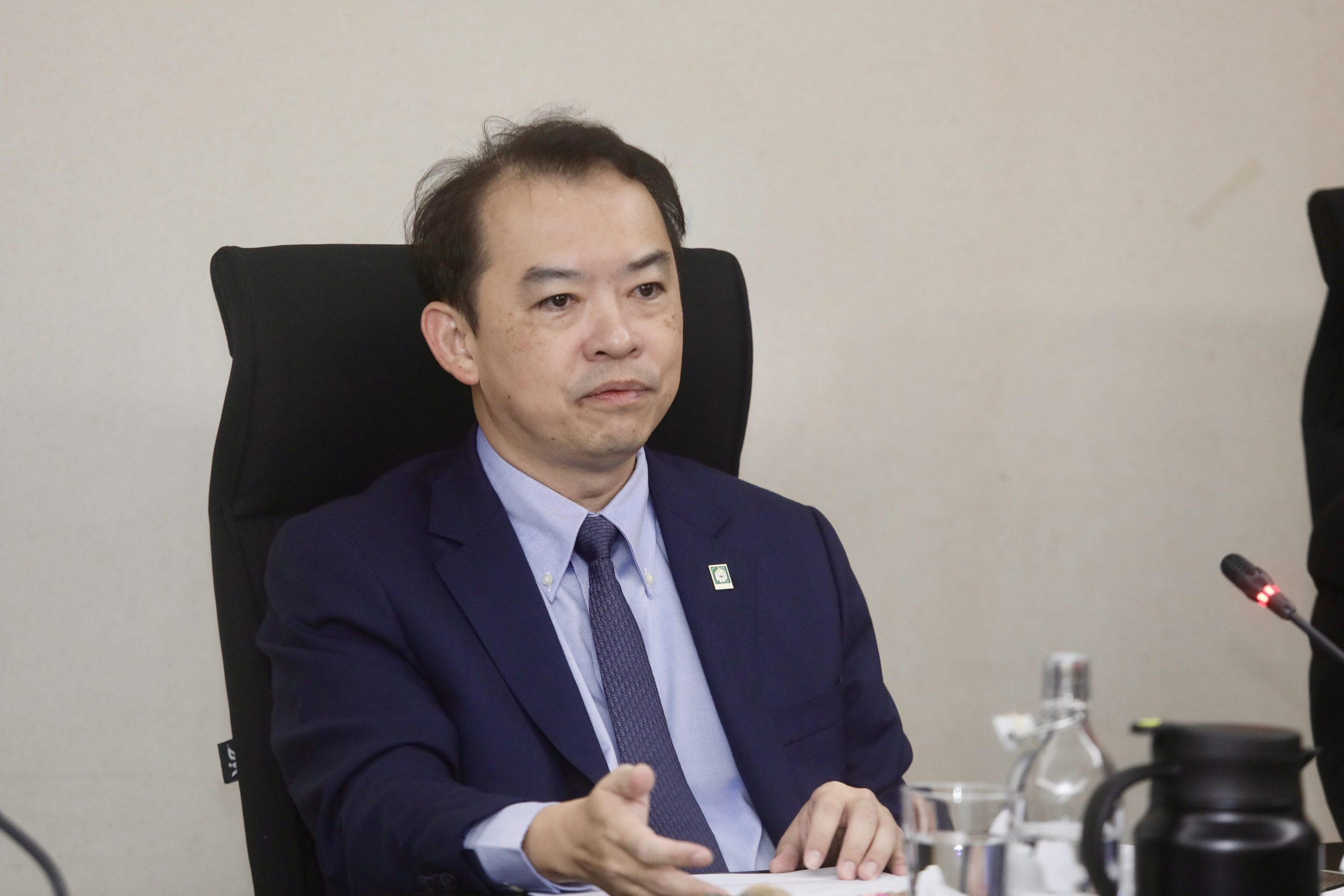
Ng also identified walkability as a gap in Sabah’s developments. Better connections within a neighbourhood, accessible public areas and green space formed part of his wider vision for communities that more people can use independently. These considerations matter across generations: a route that is easier to navigate can serve a child, an older resident and a person with a disability in different ways.
The roundtable did not establish technical specifications for such environments. For developers, this raises a practical question about township planning. A development may provide homes and amenities but families also need access to services and a surrounding community in which they feel welcome. Ng asked whether developments were designed so that parents could take children with disabilities into everyday public places without feeling excluded.
His central concern was dignity. Communities should enable people with disabilities and older residents to live independently and safely, he said, while giving equal attention to how they are treated and included.
Ng also questioned the progress made in responding to these needs, saying the subject had been raised during housing budget discussions.
“It has been mentioned many times during the KPKT budget meeting. I don’t think anything has been done, nationwide and statewide. So maybe this one should be something that we look into.”
Education was another concern. Ng said the Ministry of Education should be involved and pointed to what he saw as limited school support.
“But Malaysia, I don’t know whether you realise, there’re not many schools that provide that support.”
For housing planners, this connects the design of a development with the services available around it. Families need to consider whether a neighbourhood can support their daily routines and give them access to appropriate education and assistance.
Planning for elderly
The discussion also drew attention to older Malaysians whose housing and mobility needs change over time.
Ng connected that goal with an ageing population and changing family structures. He suggested elderly friendly neighbourhoods and multigenerational homes, as well as a possible multigenerational loan to address the higher initial cost of a larger shared home.
These were wider housing proposals rather than measures specific to neurodiverse residents but they reflected the same argument: housing policy must respond to different household needs over time.
“So for the Budget, we actually are also looking at elderly friendly neighbourhoods,” Ng said, identifying an ageing population as a concern in Sabah.
Matrix Concepts Holdings Bhd property development and commercial co-chief executive officer Chai Keng Wai highlighted empty nesters as a group that housing initiatives can overlook. Their existing homes may become larger than they need while their location can make daily journeys increasingly dependent on driving.
“But not forgetting also the third group of people who are the empty nesters. The parents. When their children grow older and do not stay with them, they don’t need a big house. And not forgetting their mobility is very crucial. If they still live in a big house in the suburbs, they need to drive in and out every day,” he said.
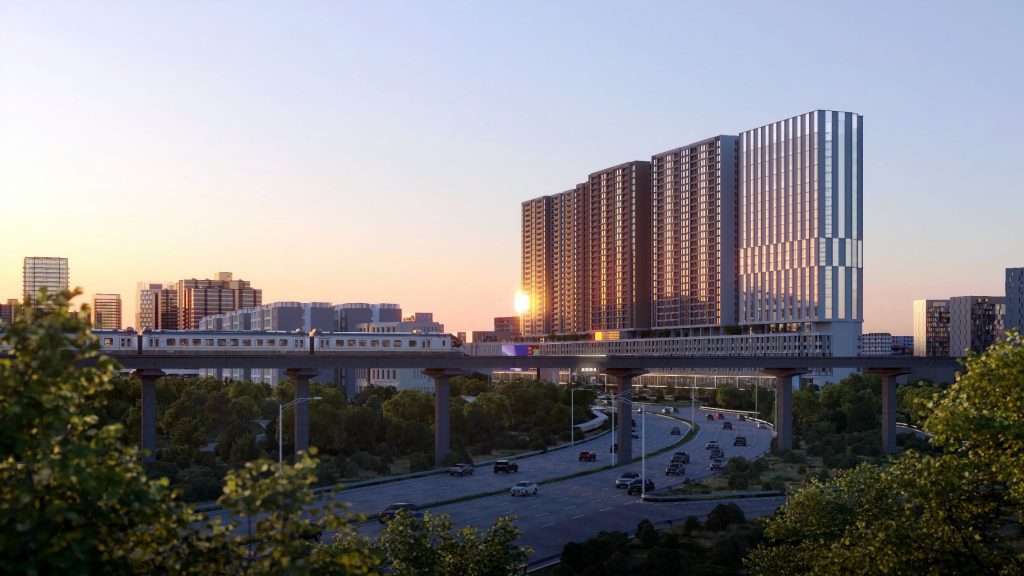
Chai opined that transit-oriented developments (TODs) should also be considered as housing options for older residents.
“Actually, these TOD projects are also meant for these old folks. You look at countries like Japan and Hong Kong. When you take the MRT line, many of the old folks are taking public transport. So these are the people we have neglected. So we have to look at the whole campaign holistically.”

His remarks suggest a broader role for developments near public transport. Planning and marketing them around older households as well as younger buyers would require closer attention to everyday accessibility and the journeys residents need to make.
Ng’s comments on Sabah underscored the importance of the surrounding pedestrian environment.
“High-speed connectivity and one thing that we don’t have is walkability. We don’t have walkable communities. Not like here (in the peninsula),” he said.
He also called for greater attention to safety, green spaces and public spaces. Together, these considerations place the neighbourhood itself at the centre of independent living. A suitable home needs a surrounding environment that residents can use comfortably and confidently.
Giving inclusion a place
Physical design was only one part of Ng’s proposal. He also called for greater welfare funding, early intervention, education and training support, alongside awareness among residents.
“KKTP (Sabah’s Local Government and Housing Ministry) has been told many times (about) early intervention and education and training support for all these disabled, so we also need to educate our residents that grow in that area,” he said.
Community understanding matters because a resident’s experience of inclusion extends to how they are treated in shared spaces. Ng raised the example of parents taking children with disabilities to shopping malls.
“But will people look at them differently? Or are our developments actually inclusive of certain design to allow them to feel normal?”
At the centre of his argument was dignity. “We also want all these people to live independently. The elderly also,” he said. “I think something to ponder upon, so maybe think about how to do that development that not only looks at welfare and stuff like that. Also look at their dignity.”
Chai similarly called for housing education that recognises people’s needs throughout their lives.
It’s about helping people understand how homeownership can support their long-term stability and progress in life. Our policies must also take into account the needs of every segment of society, so that no one is left behind.
For Budget 2027, the task is to turn these concerns into workable measures. Policymakers should examine incentives for inclusive development alongside support for education and community services. Developers, meanwhile, can begin by involving residents with different needs in the planning process and asking how their homes, public spaces and transport connections will work for them.
That would give neurodiversity, ageing and disability a clearer place in decisions that shape communities for decades.
Stay ahead of the crowd and enjoy fresh insights on real estate, property development and lifestyle trends when you subscribe to our newsletter.