
By Yip Wai Fong
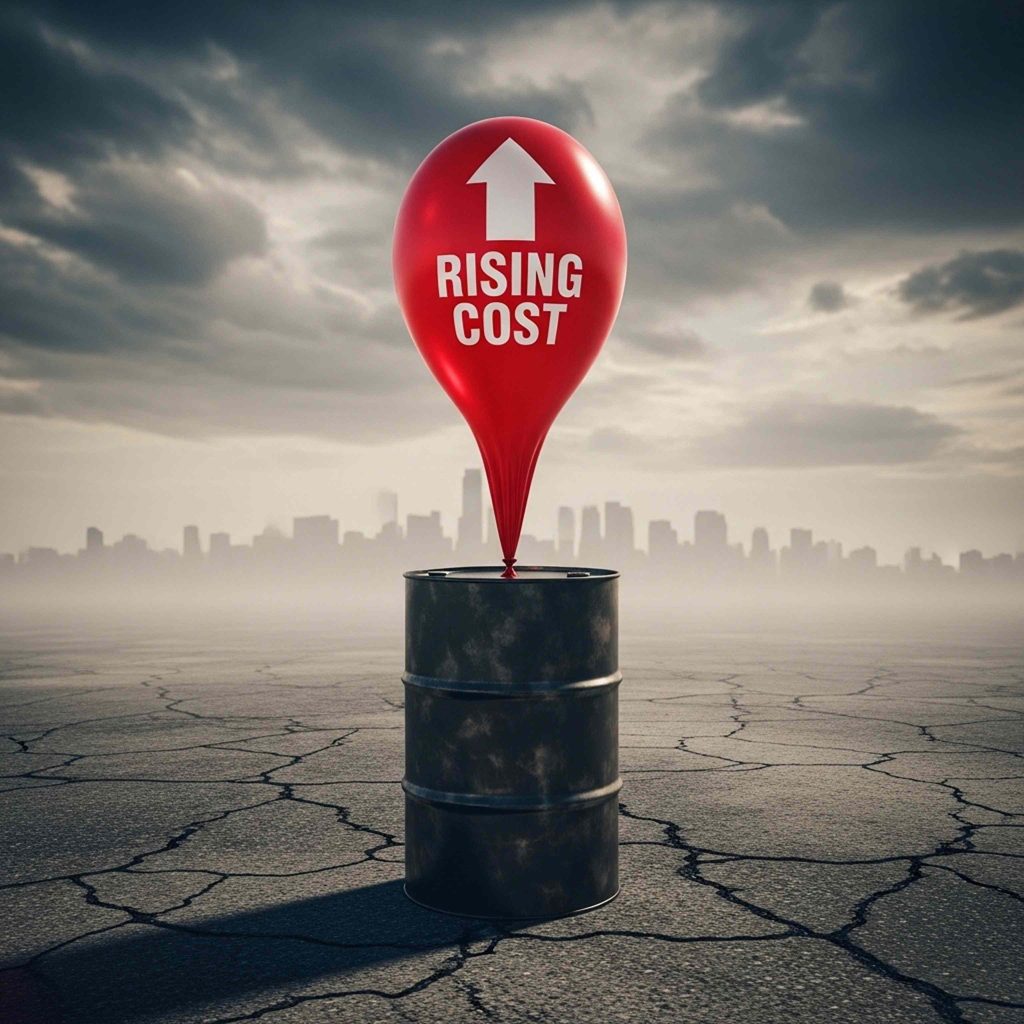
Hit by soaring diesel prices, the property and construction industry is facing an imminent rise in building material prices as building material suppliers said they could no longer hold off the escalating costs.
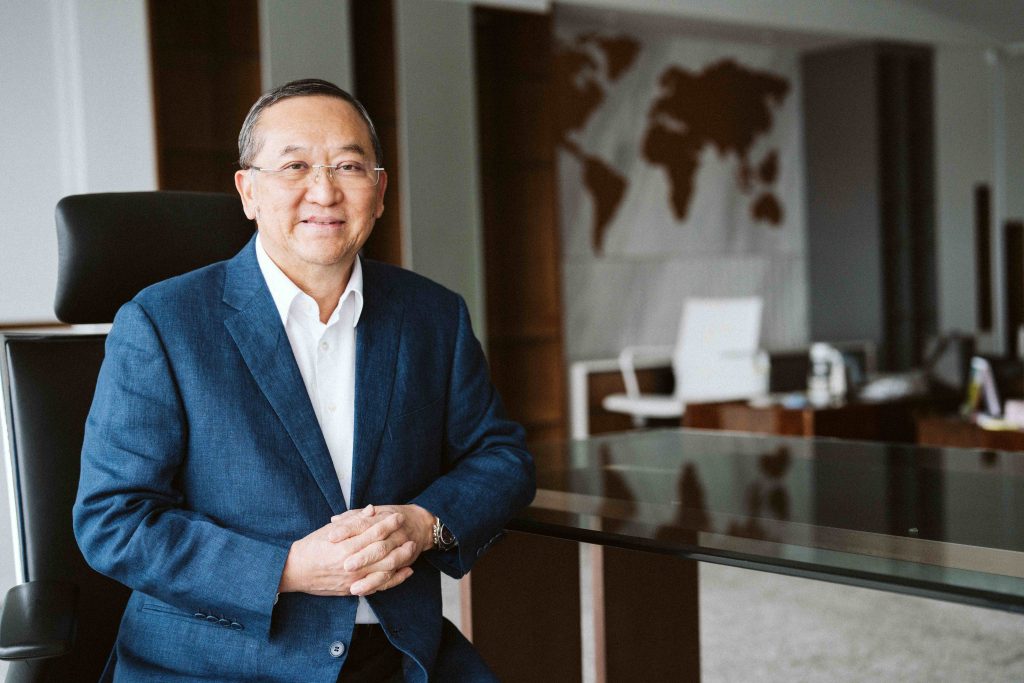
Building Materials Distributors Association of Malaysia (BMDAM) president Lim Chun Heng said prices will increase by a minimum of 20% by April 1, 2026. He also acknowledged that some suppliers have already revised their prices as diesel prices have rapidly increased. Industrial diesel prices stood at RM6.60 per litre as of March 26, according to BMDAM.
“Suppliers have been trying to hold back from raising prices but we have reached a point where we no longer can,” he told StarBiz7 when contacted.
“Material that will be among the first to see an increase in prices (on April 1) will be sand and aggregate and ready mix concrete,” he added.
Master Builders Association Malaysia (MBAM) has described the current situation as unprecedented and urged for collective action to relieve the pressure on the industry. In a statement, MBAM said contractors of all levels felt immense pressure arising from the sharp increase in energy costs as well as supply chain disruption.
It has called for government support, including targeted diesel subsidies, temporary reduction or deferment of taxes impacting construction services and even provision of soft loans and financial guarantee schemes to ease cash flow constraints. It also called for an assurance from the government that new fiscal policies or taxes are not applied retrospectively to existing contracts.
“This is not a challenge faced by contractors alone. It is a shared national concern that requires coordinated action from government, industry players and private sector stakeholders alike,” the statement said.
In a survey conducted in early March, members of the Real Estate and Housing Developers’ Association Malaysia (Rehda) anticipated shock stemming from the Middle East conflict.
A total of 42.6% of the total survey participants (55) said there will be a moderate impact on the property development and construction industry while 29.6% said a significant impact is expected. More tellingly, 45% said construction material prices or availability will be affected, 38% said the impact will be on shipping/logistics cost and 33% said the contractor tender pricing will be affected.
With the imminent rise in material prices, it is likely that Rehda’s outlook for 2026 will change. Initially, before the conflicts started, the association held a neutral outlook with slightly higher optimism for the first half of 2026 compared to 2025, based on its bi-annual surveys among members.
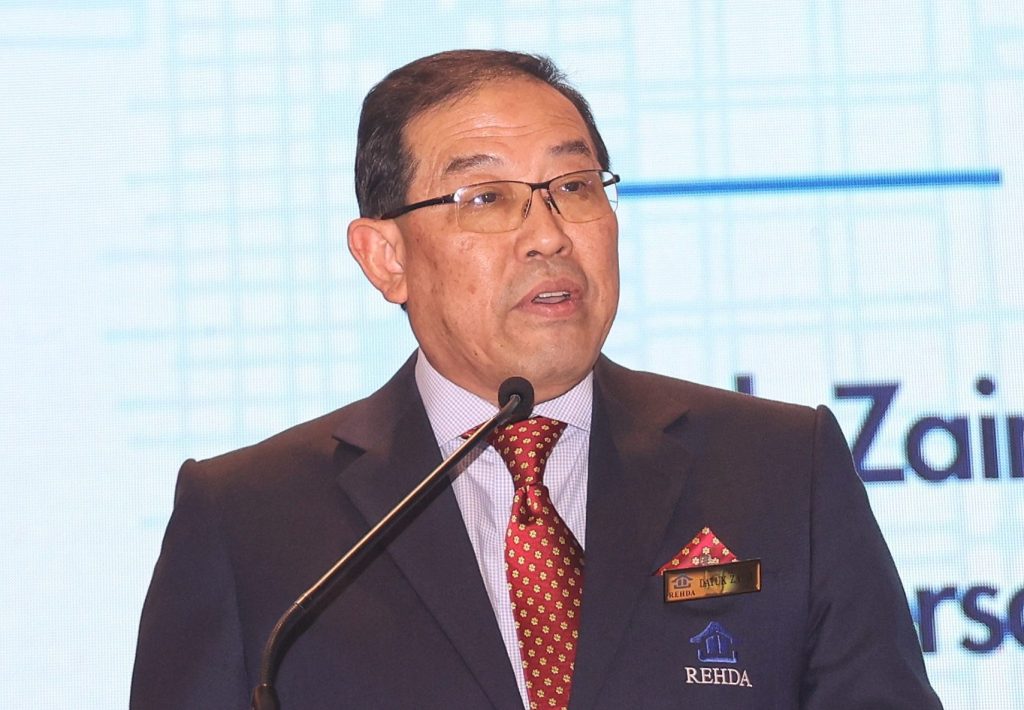
Rehda president Datuk Ho Hon Sang was not available for comment as he was away at Rehda Institute’s mission to the United Kingdom at the time of the writing but he had stated the following at the media briefing for the bi-annual surveys which included the survey on the Middle East conflicts.
“While the sign of optimism is positive, it should be noted that these surveys were conducted prior to the current situation in the Middle East. We are aware that the sentiment is likely to be different now as the conflict will definitely have an impact on the rest of the world in one way or another and Malaysia is not exempted,” said Ho during the media briefing. “The property industry ought to be prepared for any possibilities and outcomes and I hope all players can continue supporting each other.”
Support and collaboration are long-standing issues between the contracting parties in the industry and the latest challenging episode has presented another opportunity for stakeholders to tackle them head-on.
In the statement, MBAM also raised calls for a fair and balanced contractual framework, as opposed to the conventional practice of fixed-price contracts. MBAM has reiterated, among its calls, for a mandatory price fluctuation mechanism (VOP) for key materials such as steel, cement and fuel. These were also the materials cited in the Rehda survey that would most likely be affected by the geopolitical crisis.
Apart from the VOP, MBAM also called for flexibility in contract terms such as being able to revisit the terms where necessary, particularly for projects at early stages, adopting risk-sharing practices, facilitating open dialogue and negotiation rather than enforcing rigid contractual positions at the expense of project viability, supporting timely payments to ease escalating costs, recognising extension of time (EOT) entitlements and temporary relief or moderation of liquidated ascertained damages for affected projects.
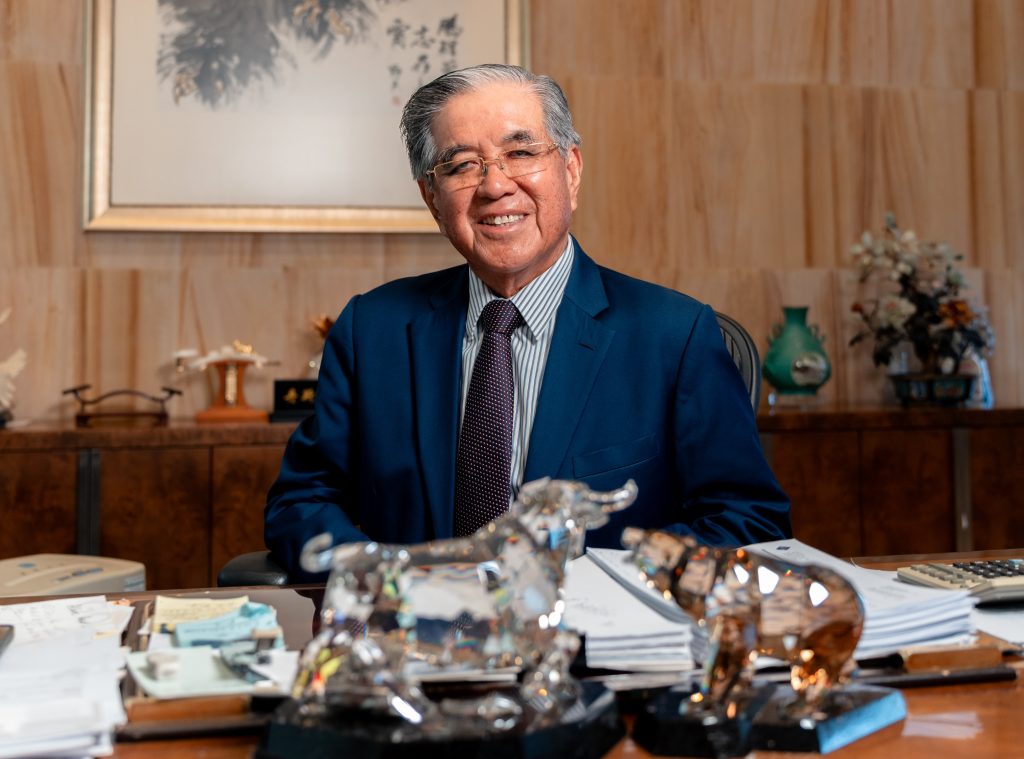
“The main objectives (of our calls for the measures) are for the contracting parties, be they from the public or private sector, to adopt collaboration in order to pull through this current difficult time,” MBAM president Oliver HC Wee tells StarBiz 7.
“While contractors can raise their tender price, (I think) many of them would rather not tender for projects at the moment due to the uncertainties,” he added.
More worryingly, cost might not be pushed up by rising diesel prices alone. With the government deciding to cut back on the RON95 petrol subsidy, material prices will also be subject to other foreseeable cost-push inflation in the future.
This article was first published in StarBiz 7.
Stay ahead of the crowd and enjoy fresh insights on real estate, property development and lifestyle trends when you subscribe to our newsletter and follow us on social media.