

Contributed by Datuk Paul Khong
Recent economic data from the Ministry of Finance (MoF) has indicated that the Malaysian economy grew by 5.2% in Q3 2025, thus placing the nation on track to achieve a full-year target of 4.0% to 4.8% (2024: 5.1%).
Key contributing sectors include manufacturing (industrial) and the service sectors. This resilience is underpinned by domestic and foreign investments, a strong labour market, a stable political environment and a fair inflation position sustained by consumer spending despite the global geographical headwinds.
This is also driven by structural reforms under the 13th Malaysia Plan (2026–2030) and through the incentives outlined in Budget 2026.
As of 9M 2025, Malaysia recorded:
• RM285.2bil in approved investments - a 13.2% YOY growth (RM254.7bil: 9M 2024).
• Direct Investment (DI)
o Foreign - FDI @ RM150.8bil (52.9%)
o Domestic - DDI @ RM134.4bil (47.1%)
This indicates well-balanced confidence. Geographically, Johor emerged as a clear frontrunner, attracting RM91bil, driven by the data centre boom. This is followed closely by Selangor, Kuala Lumpur, Penang and Kedah. These investments create approximately 153,000 new jobs. Ongoing structural policy reforms and infrastructure improvements are expected to sustain real estate activity levels moving forward. Among them are:

• Logistics and data centres as the digital engine
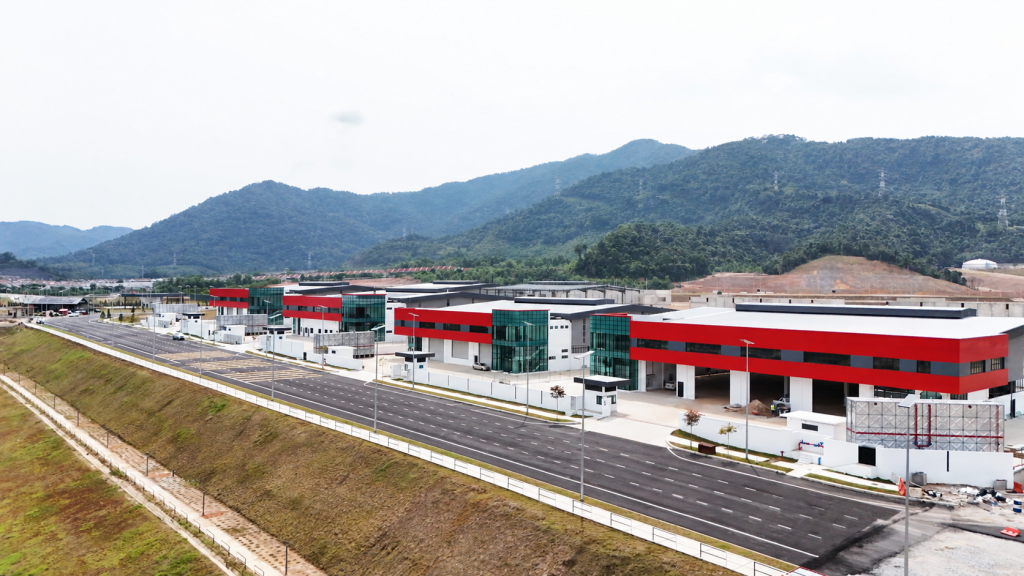
The rapid adoption of AI and the increasing demand for digital infrastructure are accelerating industrial growth across Klang Valley, Johor and Penang. Johor has emerged as a regional hub with over 1,000 acres of data-centre land with transactions valued at RM4.58bil since 2021.
Logistics, industrial and data centre head Kevin Goh forecasted a robust market driven by a strengthening Ringgit and sustained FDIs from major economies such as China and the US.
"Developers are actively converting mixed-use lands to industrial, thus fueling the rise of Managed Industrial Parks (MIPs)," he said, predicting that moderate rental growth is expected for new facilities in 2026 while capital values are expected to rise for premium sites, specifically those with high power and water infrastructure (as required for data centres).

• Commercial office sector continues to see a shift towards quality
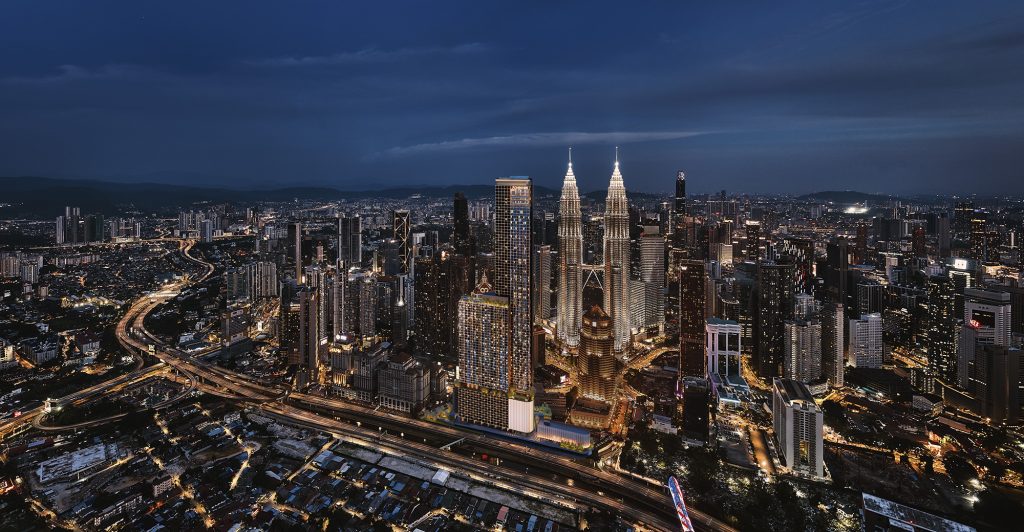
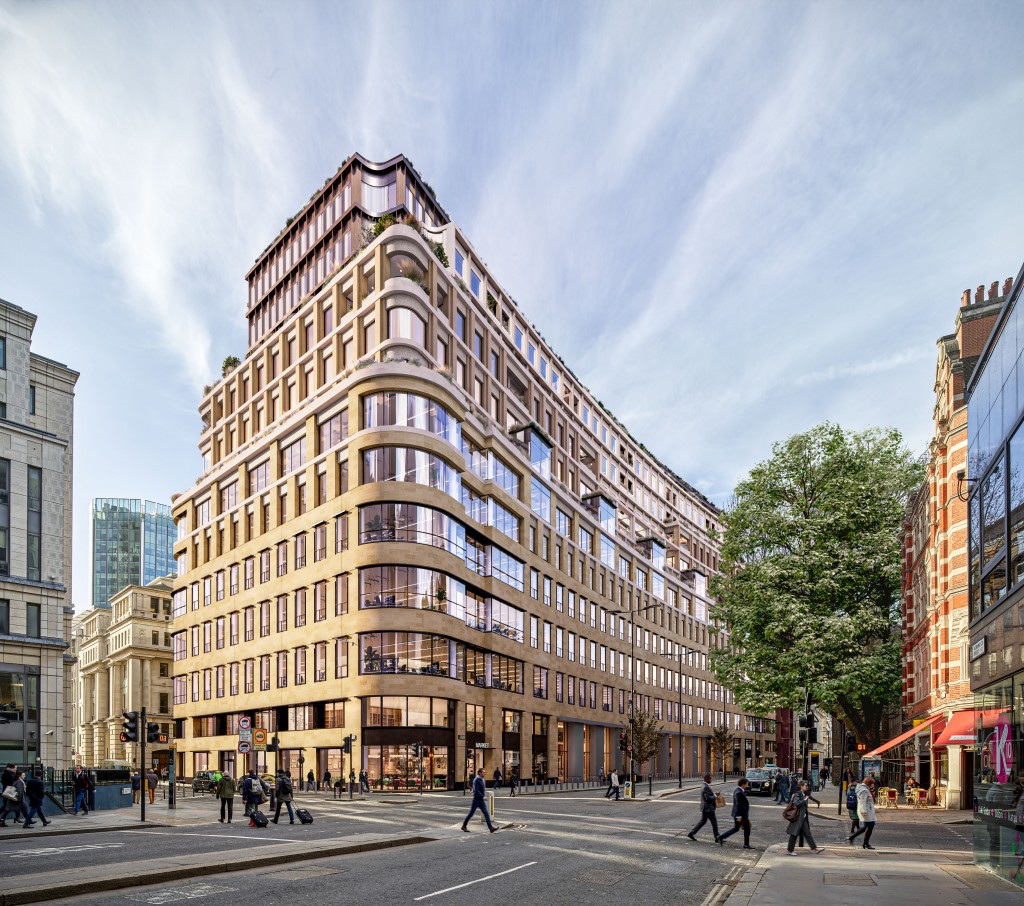
2025 marked another year of resilience for Kuala Lumpur’s Grade A office market with leading buildings maintaining strong occupancy rates as tenants continued to prioritise sustainability, technology and accessibility. These fundamentals remain crucial into 2026 as the market favours quality over quantity.
Worldwide occupier services head Zawani Abidin expected occupier demand to come from shared services centres, technology firms and selective regional headquarters expansions.
"Tenants focus on efficiency, flexibility and wellness features while the hybrid work model continues to influence space-efficient leasing decisions. Organisations increasingly emphasise wellness and sustainability in their location strategies, prompting the growth of co-working spaces that support flexible work and collaboration. With limited new supply coming through online, well-positioned submarkets are expected to remain relatively well-supported into 2026.
"To stay competitive, Grade A buildings are continuously raising standards by securing green certifications, ensuring good public transport access and incorporating amenities alongside efficient floor plans,” she said.

• Retail sees resilience and the rise of community hubs
Retail services head Murli Menon characterised the retail landscape as resilient yet evolving. Bolstered by moderate inflation and the MADANI government’s people-centric subsidies, urban household spending remained steady, contributing to approximately 5% growth in 2025.
However, performance was uneven while personal care, fashion and experiential F&B thrived and big-ticket categories such as furniture faced sluggish demand due to cost-of-living pressures. A distinct structural change is underway, driven by a preference for convenience and connectivity.
"New supply is increasingly concentrated in mixed-use, neighbourhood-focused projects rather than traditional mega-malls. Consequently, landlords are pivoting from new construction to the refurbishment and repositioning of existing assets. To differentiate, top-performing malls are allocating more space to retailtainment — integrating indoor adventure parks, social spaces and curated tenant mixes that offer unique experiences beyond simple transactions,” he said.
Looking to 2026, the sector is poised for a dynamic transformation driven by Visit Malaysia Year 2026 and the adoption of new technologies.
Murli predicted a rise in Agentic AI and social commerce, alongside a boom in wellness retail catered to an ageing population. While the tourism influx will benefit the hospitality and F&B sectors, success will depend on adaptability; retailers must blend seamless digital integration with memorable physical experiences to remain relevant in a competitive market.

• Hospitality to make sustainability and strategic growth
The hospitality sector is undergoing a strategic transformation towards sustainability, anchored by the upcoming Visit Malaysia 2026 campaign. Central to this shift is the introduction of a new Environmental, Social and Governance (ESG) Certification by the Malaysian Association of Hotels (MAH), designed to standardise green practices industry-wide.
This shift is driven by regulatory alignment, rising energy costs and the increasing demand for eco-friendly accommodations among sophisticated travellers.
Research and consultancy head Fong Kean Hwa noted: "Fundamental drivers, including extended visa-free entry and improved air connectivity, position the market for resilience well beyond the 2026 targets of 47 million visitors and RM147.1bil in receipts. Backed by government incentives, this trajectory is expected to catalyse continuous capital investment in hotel assets, elevating visitor experiences and generating lasting economic spillovers across urban centres.”

• Proposed URA aims to revitalise real estate development but concerns persist
The proposed Urban Renewal Act (URA) seeks to accelerate urban rejuvenation by replacing the requirement for unanimous consent with a sliding scale of majority-based thresholds. Under the new framework, redevelopment may proceed with 80% consent for buildings under 30 years old, 75% for older structures and a majority of 51% for buildings classified as unsafe or abandoned. While the Act is designed to modernise decaying urban cores and optimise land use, it has sparked significant debate regarding the balance between structural progress and the potential displacement of minority property owners.
Executive director Marcus Chia saw the Act as a key tool for unlocking value through redevelopment, which can increase land prices and provide financial incentives for property owners.
However, he is concerned about risks such as speculative flipping, where investors prioritise short-term profits over genuine community renewal. Even if original residents receive replacement units, they might choose to cash out, which could weaken community preservation efforts.
"Additionally, the economic viability of redeveloping lower-value areas is influenced by high construction costs and uncertain market returns. While the URA seeks to align Malaysia with global best practices, it's essential to implement safeguards to prevent gentrification and support socially equitable redevelopment,” he said.
Infrastructure projects for the 2026 timeline
Urban development remains at the forefront of economic strategy, with 2026 serving as a critical delivery year for major transport projects:
▪ LRT Shah Alam Line (LRT3): Connecting Bandar Utama to Klang is expected to be completed by Q2 2026.
▪ Johor Bahru–Singapore RTS Link: Slated for operations by December 2026, easing cross-border congestion.
▪ East Coast Rail Link (ECRL): Connection to Gombak Integrated Terminal expected by December 2026.
▪ LRT Mutiara Line (Penang): Construction to commence in January 2026.
New Year Outlook
Malaysia’s strong economic conditions and political front lay a solid foundation for the growth of the real estate sector as market trends and investment activities continue to boost overall performance.
Government policies will continue to impact both domestic and foreign investments with key sectors focused on logistics and manufacturing sectors (including some new data centres) to drive industrial demands.
Sustainability and wellness are of importance, influencing designs and investments into residential, hospitality and office spaces driven by energy efficiency and healthy environments.
Consumer-focused policies will continue to boost spending while experiential retail formats continue to be in high demand. Visit Malaysia Year 2026 is also a major catalyst for the year.
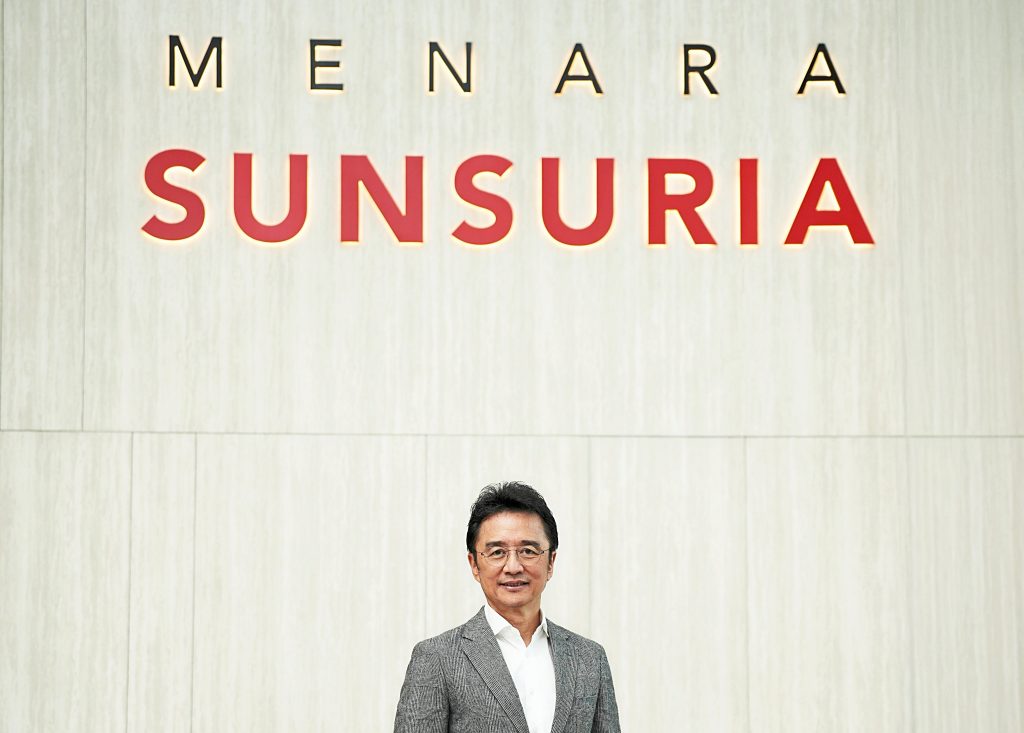
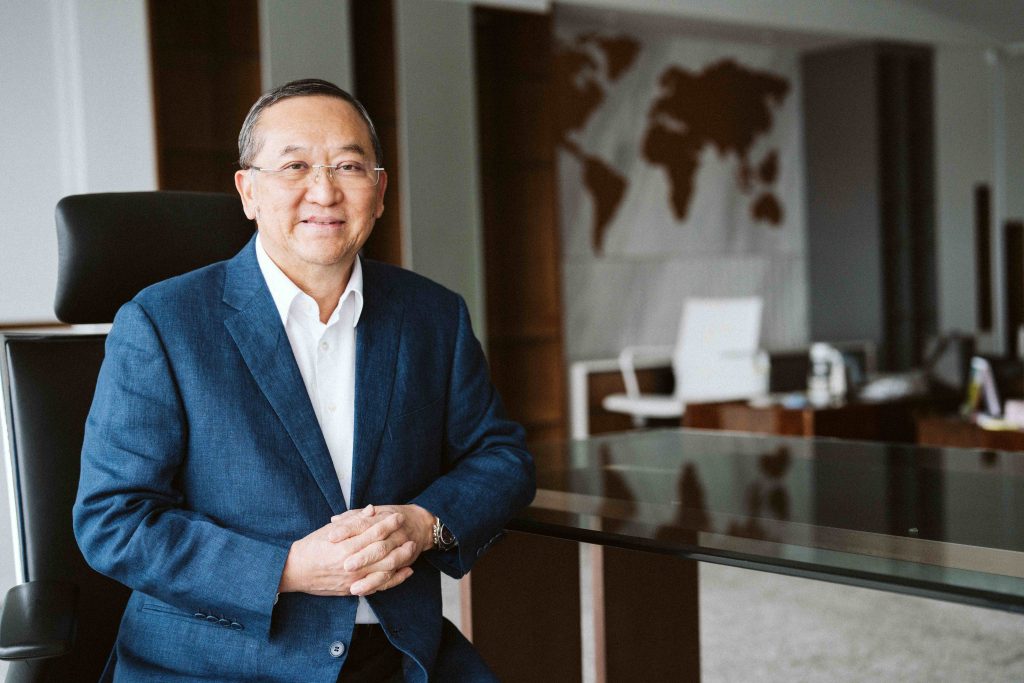
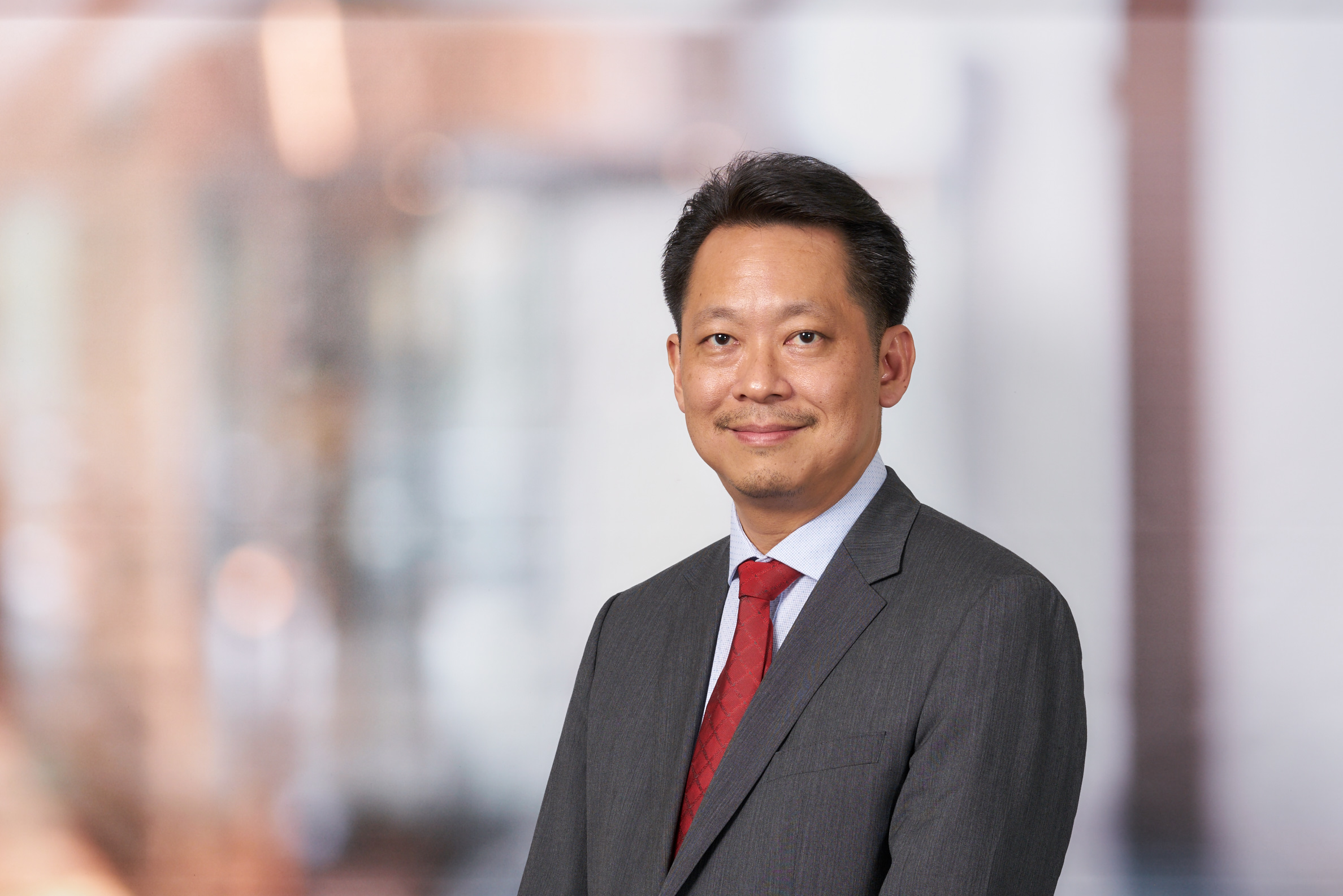
"We hope to see a targeted 47 million foreign visitors and RM329 billion in tourism revenues with a RM700 million Visit Malaysia 2026 promotional campaign budget. Overall, the real estate market in Malaysia is set to benefit from the inherent strength of assets that meet future needs, emphasising long-term values and functionality in investment decisions. Growth for the new year is now market-driven and a Step Up for 2026 is envisaged," said Savills Malaysia head and group managing director Datuk Paul Khong.
Stay ahead of the crowd and enjoy fresh insights on real estate, property development and lifestyle trends when you subscribe to our newsletter and follow us on social media.