PETALING JAYA: In the complex landscape of urban development and housing affordability, a persistent structural gap often divides the boardroom, the academic hall and the ministry office. Academic research can frequently critique existing policy without offering viable, real-world alternatives. At the same time, policy interventions risk being designed without a deep understanding of practical market constraints or long-term spatial data.
The newly established Malaysia–Cambridge Urban Platform (MCUP) aims to dismantle these silos.
Initiated by the Ministry of Housing and Local Government (KPKT), with Rehda Institute serving as a strategic collaboration partner, the MCUP is positioning itself as a premier intellectual bridge connecting high-level academic research, government policymaking and ground-level market implementation.
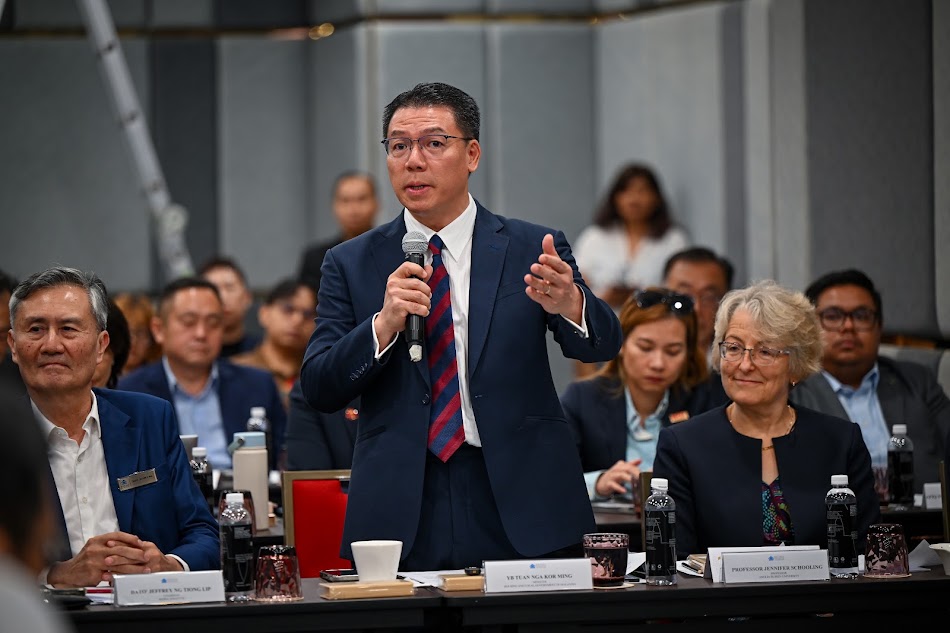
The platform’s inaugural Senior Leadership Circle Roundtable, held at the M World Hotel in Bandar Utama, demonstrated this collaborative framework in action. Rather than operating as a conventional discussion panel, the closed-door session brought together senior officials across multiple ministries including the Transport Ministry, Economy Ministry, Natural Resources and Environmental Sustainability Ministry and KPKT, alongside senior private-sector leaders.
Moderated jointly by Rehda Institute chairman Dauk Jeffrey Ng and Cambridge's Prof Jennifer Schooling OBE and Prof Li Wan, the discussion focused on moving past superficial metrics toward actionable urban solutions. Housing and Local Government Minister Nga Kor Ming also joined the session to align state priorities with international research perspectives.
Speaking on the platform's long-term trajectory, Nga underscored the significance of this cross-border alignment: “The Malaysia–Cambridge Urban Platform has great potential to become an intellectual bridge between research, policymaking and implementation. By bringing together scholars, governments and industry leaders, this platform can help translate research into practical solutions, not only for Malaysia but also for the wider Asia-Pacific region.”
Meanwhile, the inaugural roundtable focused on two interconnected priority areas that require a balance between empirical research and practical execution:
1. Demystifying housing affordability: Instead of relying solely on headline supply targets, the platform explores how nuanced affordability metrics can directly inform targeted policy interventions from land zoning and subsidy structures to long-term mortgage financing and transit-oriented infrastructure investment.
2. Smart city integration for spatial planning: Addressing the competing demands of sustainability, liveability and price accessibility requires advanced tools. The platform evaluates how spatial modelling, predictive data analytics and smart city infrastructure can optimise land use and strategically anticipate future urban migration.
From problem-discovery to co-created solutions
A central pillar of the MCUP proposition is its commitment to problem-discovery before solution-prescription. Too often, international models are imported without adapting to local regulatory, political or economic realities.
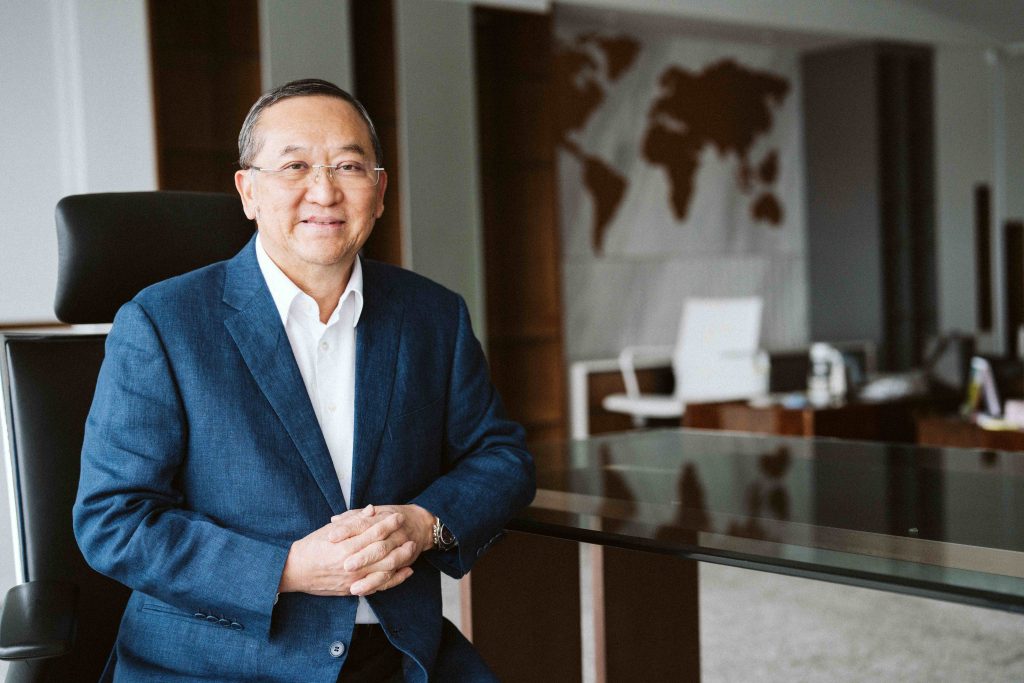
Ng highlighted how the MCUP avoids these pitfalls by grounding its work in co-creation: “Academic research can sometimes focus on criticising existing policies without proposing a viable alternative or demonstrating why another approach would work better. At other times, solutions may be proposed without a sufficient understanding of the practical constraints faced by policymakers or the wider political context."
“This is where the Malaysia–Cambridge Urban Platform can make a difference... Our aim is to establish a shared knowledge base from which clear, evidence-based definitions of the issues can emerge. This will be built through a model of partnership, co-creation and knowledge co-production, bringing together academia, government and industry,” he added.
Ng emphasised that housing feasibility extends well beyond initial purchase prices. "Malaysia’s housing challenge is not simply about how many homes we build," he explained. "We must also ask whether we are building the right homes, in the right locations and at prices that households can genuinely afford—not only at the point of purchase but throughout the period of ownership."

Later, a short briefing and photo session also marked the official launch of Rehda Institute’s latest research report Housing For All: Co-Creating a Needs-Driven Framework.
Stay ahead of the crowd and enjoy fresh insights on real estate, property development and lifestyle trends when you subscribe to our newsletter and follow us on social media.