The ongoing conflict involving the US, Israel and Iran continues to send ripples through global energy markets. For Malaysia’s construction sector, those waves are hitting directly at the fuel pump. According to recent new analysis, prolonged geopolitical tensions could add as much as RM 1.1bil to the Malaysian construction industry’s total diesel bill this year alone.
To understand how the RM1.1bil estimate was calculated, real estate agency Juwai IQI analysed weekly fuel price data published by the Department of Statistics Malaysia (DOSM):
- Pre-conflict baseline: In the week of Feb 26, 2026, diesel was priced at RM3.04 per litre.
- Conflict-era spike: Across the 20 weeks following the conflict's onset, diesel averaged a 57.7% jump to RM4.80 per litre. At its peak during the week of April 9, prices spiked to RM6.72 per litre.
- Unsubsidised sector usage: Malaysia's construction sector consumes roughly 1.4 billion litres of diesel annually. Based on DOSM figures, about half (roughly 740 million litres) was purchased at full, unsubsidised market rates.
While commercial fleets benefit from government subsidies, heavy off-road equipment such as excavators, cranes, piling rigs and generators does not qualify and must pay full market prices. Applying the 57.7% average price surge to the industry's unsubsidised diesel volume over the remainder of the year yields an extra cost of roughly RM1.1bil or about RM25mil per week.
While a figure over a billion ringgit sounds daunting, a closer look at the data reveals a far more nuanced picture. When broken down into residential buildings, and specifically on a per-home basis, the financial hit is more of a manageable hurdle rather than a project-halting crisis. By taking targeted policy steps and adopting smarter operational habits, both the government and private sector can absorb these cost increases, ensuring that affordable housing stays on track.
“The higher diesel costs work out to an average of about RM2,000 per new home. That adds a cost the industry can manage, on a sector the country relies on for affordable housing. The encouraging part is that government and industry already have practical ways to keep new housing on track,” noted Juwai IQI co-founder and group chief executive officer Kashif Ansari.
But this is viewing the matter from an optimistic angle. Without doubt, the conflict has dragged on with periodic flare-ups, leaving energy markets volatile and unpredictable.
What the RM1.1bil means for home buyers
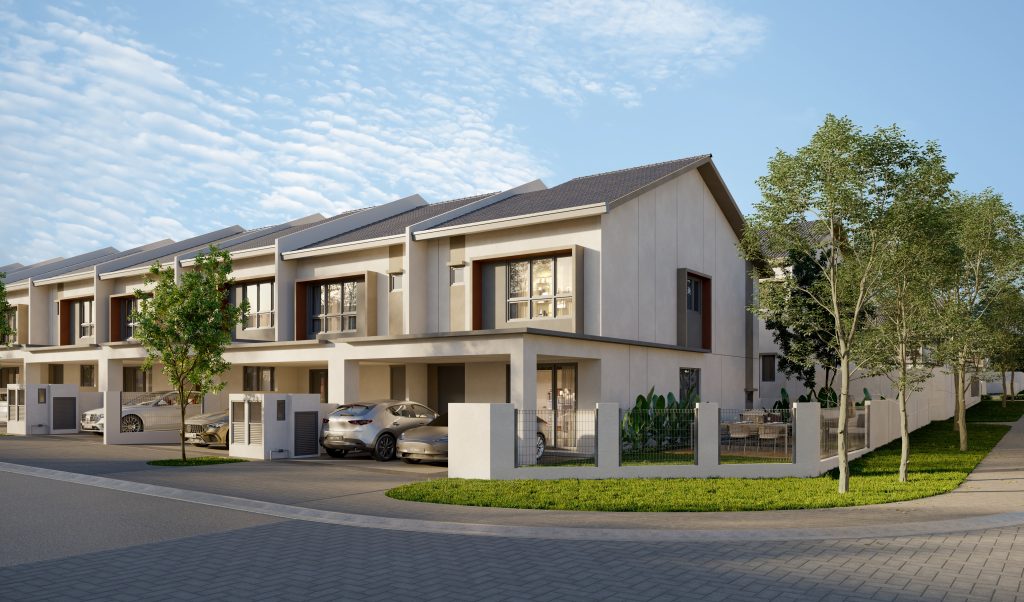
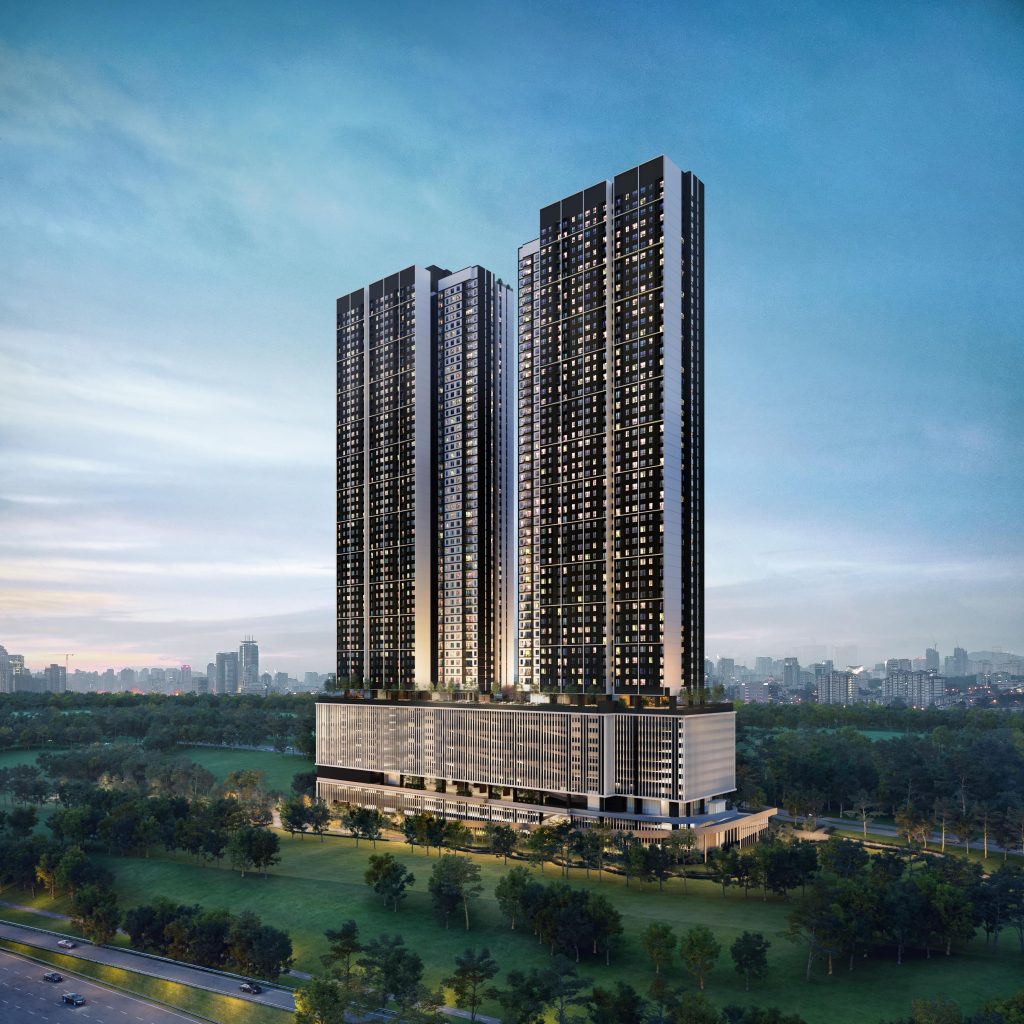
Despite the hefty overarching price tag, the direct impact on residential construction and individual housing units is remarkably modest. Out of the RM1.1bil total industry impact, the residential sector's share is roughly RM200mil. Residential construction accounts for a smaller share of fuel costs than road or infrastructure projects because building homes requires significantly less heavy earthmoving machinery.
When spread across an estimated 100,000 new housing starts in a year, that RM200mil translates to an extra RM2,000 per home. On a typical home priced around RM507,000, RM2,000 represents less than 0.5% of the purchase price.
While manageable overall, these incremental costs matter most to developers of affordable housing operating on paper-thin margins. Keeping these projects viable requires proactive measures from both policymakers and builders.
How the government can help
Malaysia's diesel subsidy reforms have already proven effective, saving billions in public funds while protecting core economic transportation through the Sistem Kawalan Subsidi Diesel (SKDS) fleet-card system, which caps diesel at RM2.15 per litre for registered vehicles.
The government can build on this foundation with a few targeted adjustments to shelter homebuilders from volatile fuel markets:
- Expand fleet-card eligibility: Include critical construction machinery such as ready-mixed concrete trucks, concrete mixers and mobile cranes in the SKDS fleet-card scheme. These vehicles are essential to housing construction and consume vast amounts of fuel.
- Increase rural and interior quotas: Raise fuel quotas for contractors operating in remote or interior regions, where longer transit distances naturally lead to higher fuel consumption.
These modest tweaks would close existing regulatory gaps, helping contractors absorb temporary price shocks without passing expenses on to home buyers, said Ansari.
How contractors can protect margin
The private sector does not need to wait for policy changes to shield itself from rising fuel expenses. Construction companies can take several practical steps today:
- Maximise subsidies: Believe it or not, many contractors fail to register all of their eligible vehicles for existing government subsidy programs. Fully auditing fleets ensures no money is left on the table.
- Adopt variable-price contracts: Builders are increasingly incorporating fuel adjustment clauses into contracts, allowing them to adjust charges if fuel prices spike beyond agreed-upon thresholds rather than absorbing the losses outright.
- Boost fleet efficiency: Simple operational changes such as enforcing anti-idling policies, using GPS route optimisation software to cut down on unnecessary transit and gradually transitioning to electric or hybrid site vehicles can permanently slash fuel consumption.
A potential RM1.1bil surge in diesel costs presents a genuine operational challenge for Malaysia’s construction industry in 2026. However, because the direct impact on residential building amounts to just RM2,000 per new home, it is a challenge the country is fully equipped to handle.
Through targeted subsidy adjustments for heavy equipment and disciplined, fuel-efficient job site management, government and industry leaders can successfully navigate global market volatility, ensuring Malaysia’s affordable housing delivery remains firmly on track.
This article was first published in StarBiz 7.
Stay ahead of the crowd and enjoy fresh insights on real estate, property development and lifestyle trends when you subscribe to our newsletter and follow us on social media.