By Joseph Wong
The announcement of the upcoming Johor state election, scheduled for July 11, 2026, has naturally drawn the attention of macroeconomic analysts, property developers and investors across the region. Historically, periods leading up to democratic elections are associated with a temporary sense of caution, as market participants adopt a wait-and-see approach until the regulatory and political landscapes stabilise.
However, a comprehensive structural analysis released by global real estate proptech group Juwai IQI strongly suggests that this upcoming election will not harm Johor’s residential real estate trajectory.
According to Juwai IQI co-founder and group chief executive officer Kashif Ansari while short-term transaction volumes may see a brief deceleration in the weeks immediately surrounding the July 11 vote, the broader market is positioned for a rapid rebound. When viewed on a full-year basis, the election calendar is expected to have a negligible, if not zero, impact on overall property performance. This conclusion is strongly backed by historical transaction patterns, preliminary data from the National Property Information Centre (Napic) and real-time buyer inquiries monitored on the ground.
To accurately measure the potential impact of the upcoming election, analysts must first establish a baseline using early-year transaction metrics. Napic's preliminary figures reveal that during the first three months of the year, buyers purchased 8,730 residential units in Johor, generating a total transaction value of RM4.45bil.
While these numbers represent a solid foundation, the transaction volume reflects a 9.5% decline compared to the same period in the previous year. This initial softening, however, is not a symptom of election anxiety. Instead, it is a direct regulatory reaction to fiscal policy changes introduced at the start of the year.
In January, the state implemented a doubling of the foreign-buyer stamp duty, causing a predictable, short-term pullback among international buyers, particularly those from Singapore and mainland China. Despite this initial dip, underlying market fundamentals indicate that this foreign demand will normalise by the end of the year.
The Singapore-Johor price differential
The core driver behind the projected return of foreign and cross-border buyers is the massive, undeniable price gap between the residential sectors of Singapore and Johor. Even with the doubled stamp duty factored into purchase calculations, buying real estate in Johor remains an incredibly lucrative, cost-saving alternative for cross-border professionals.
First-quarter data reveals that the average price of a residential home in Johor stood at RM487,128. In stark contrast, the average price for a secondary market resale Housing and Development Board (HDB) flat in Singapore reached approximately RM2.1mil.
Because Johor properties cost a fraction of Singaporean public housing, buyers can easily absorb higher transactional taxes and still enjoy substantial capital savings. This structural affordability ensures that cross-border investment interest will remain a powerful force long after the July polls close.
Mass-market resilience
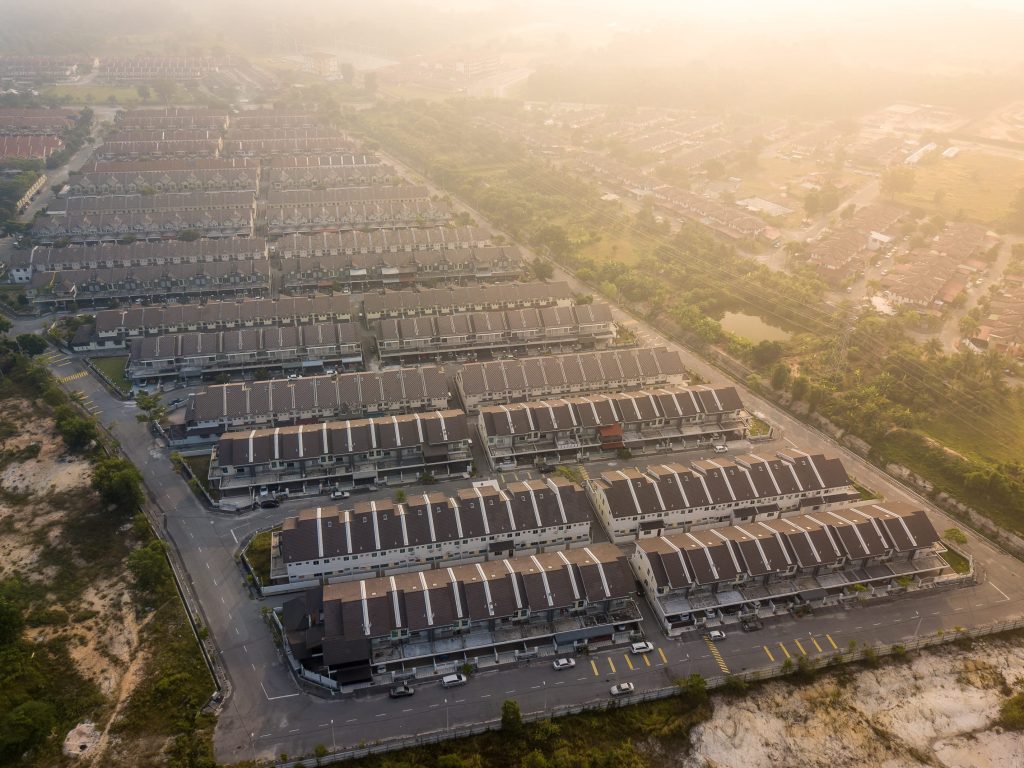
With international buyers briefly adjusting to the new stamp duty guidelines in the early months of the year, Johor’s domestic mass market stepped forward as the primary driver of transaction volume. Affordable and mid-priced properties emerged as the most resilient segments during the first quarter.
Properties priced at RM500,000 and below accounted for roughly 63% of all residential transactions statewide while entry-level homes priced at RM300,000 and below made up close to 38% of the volume. In terms of asset typology, landed residential units maintained their clear dominance.
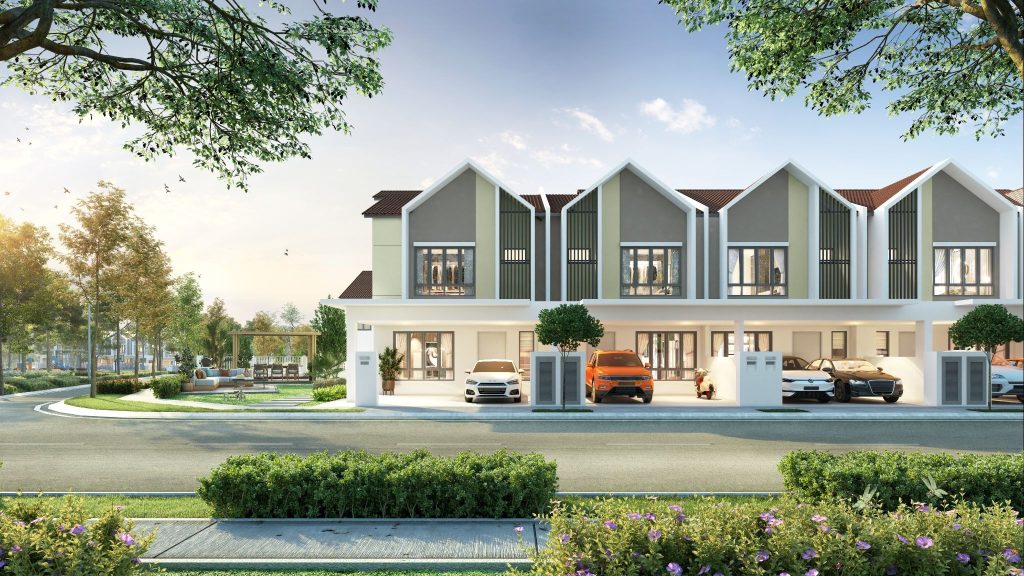
One-, two- and three-storey terraced houses together comprised more than half of all residential deals concluded across the state. This strong demand for practical, landed family homes shows that the market is anchored by genuine local owner-occupiers who are a demographic whose long-term housing needs are rarely disrupted by short-term political cycles.
Lessons from past elections
To forecast how the market will handle the upcoming July vote, one can look directly at historical data from previous election cycles. Recent history demonstrates that the property market is fully capable of expanding even during multi-election years.
The dual election cycle of 2022 offers an excellent parallel to the current year. Despite voters heading to the polls twice in a short span, the secondary and primary housing markets continued to operate normally. The volume of homes transacted in Johor expanded by a quarter and the total value of those purchases grew by nearly 30%. While a significant portion of that momentum came from the historic post-pandemic reopening of the Singapore-Malaysia border, the data clearly proves that active polling does not stall consumer demand.
A similar trend was recorded during the 2013 general election. While overall residential transactions cooled across Malaysia as a whole that year, Johor's housing demand bucked the national trend, with transaction volumes leaping by 16%. This represented the highest growth rate of any major state in the country, establishing a clear precedent: Johor's real estate fundamentals are strong enough to withstand macro-political events.
From a macro perspective, the medium- and long-term trajectory of Johor's property sector depends far more on infrastructure developments than on the election calendar. The market is preparing for two massive economic catalysts that will reshape the state’s real estate landscape:
- The Singapore-Johor Rapid Transit System (RTS) link: Slated for completion and opening later this year, this high-capacity rail link will revolutionise cross-border connectivity. By drastically reducing commute times between Johor Bahru and Singapore, the RTS Link will transform Johor into an immediate, accessible extension of the Singaporean economic core, unlocking sustained rental and capital demand.
- The Johor-Singapore Special Economic Zone (JS-SEZ): This strategic economic zone is designed to drive massive corporate investment, industrial expansion and job creation. The economic activity generated by the JS-SEZ will naturally boost local household incomes, making homeownership accessible to a larger segment of the Johor population.
When viewing the state’s real estate market from a macro perspective, Johor remains one of Malaysia’s most resilient and fundamentally sound residential hubs. The temporary transaction dip expected over the coming weeks is simply a standard, short-term market adjustment.
Once the July 11 state election is concluded, the buyers who chose to pause will re-enter the market to make up for lost time. Supported by a healthy pipeline of affordable housing, cross-border demand and game-changing infrastructure like the RTS Link, Johor’s property sector is built for long-term growth, proving that economic fundamentals matter far more than the election calendar.
This article was first published in StarBiz 7.
Stay ahead of the crowd and enjoy fresh insights on real estate, property development and lifestyle trends when you subscribe to our newsletter and follow us on social media.