

Developers, end-users reap tangible benefits from decarbonisation
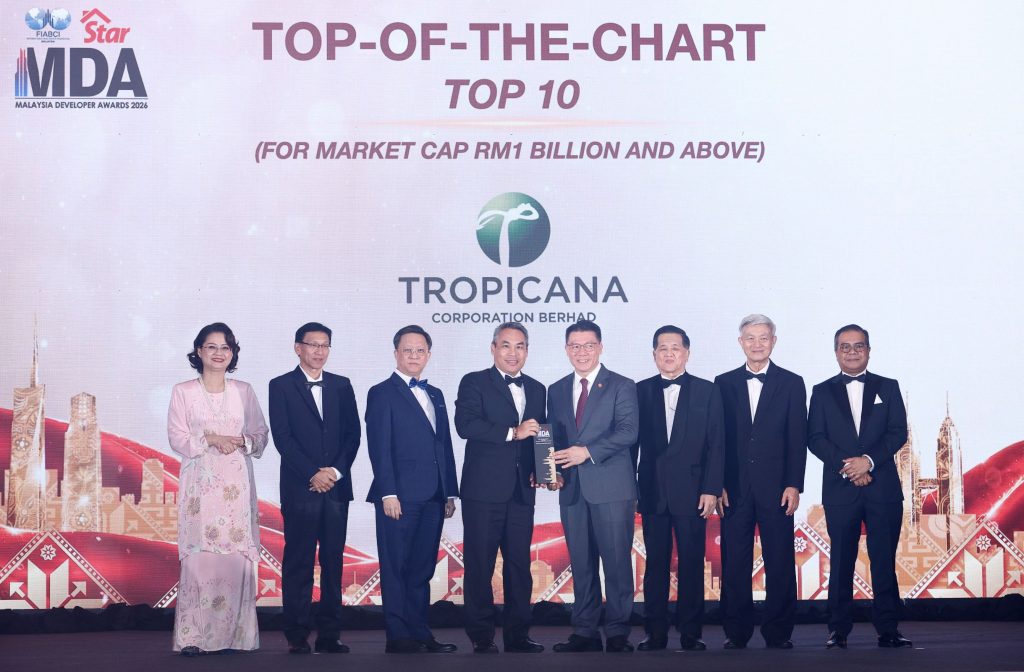
As the ESG mandate is shifting environmental, social and governance practices from voluntary compliance into a core operational strategy, the Malaysia Developers Awards (MDA) 2026 once again tracks the property industry's journey in ESG integration, creating a platform for the industry to evaluate its impact on the environment and community over the years.
Now in its fifth edition, the MDA has borne witness to the systematic adoption of ESG practices among developers, prompting the awards committee to increase the ESG weightage to 30% of the total evaluation. Major property developers now adhere to a shared set of international and national sustainability reporting standards, climate disclosure frameworks, ESG benchmarks and green building certifications to drive their decarbonisation agendas. Beyond corporate metrics and balance sheets, these strategies yield direct, tangible benefits for end users, enhancing daily liveability, building performance and long-term asset value.
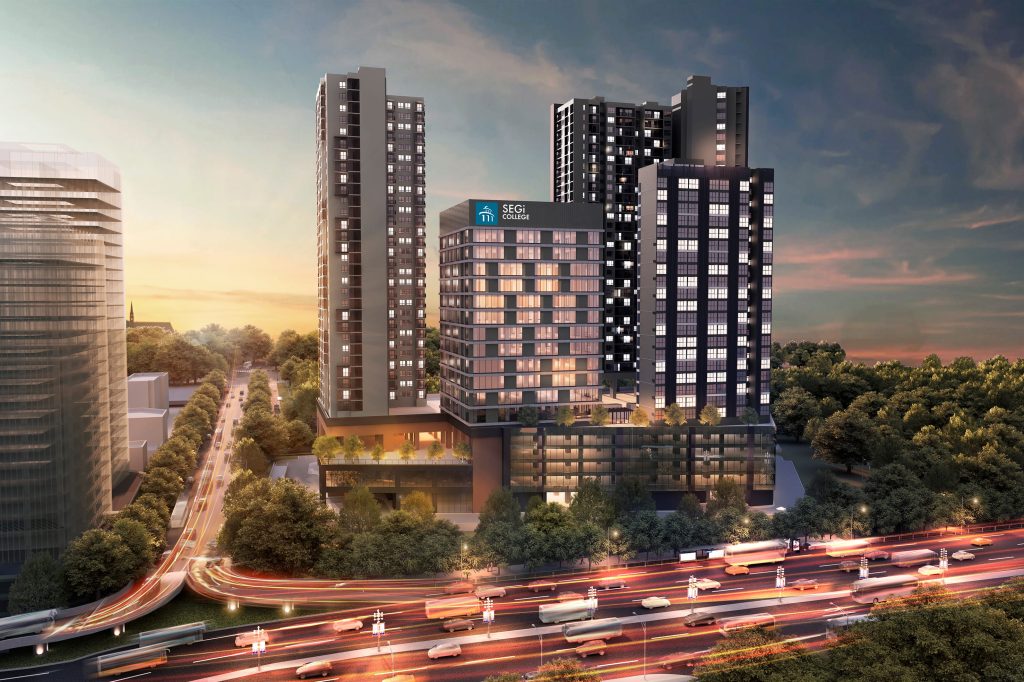
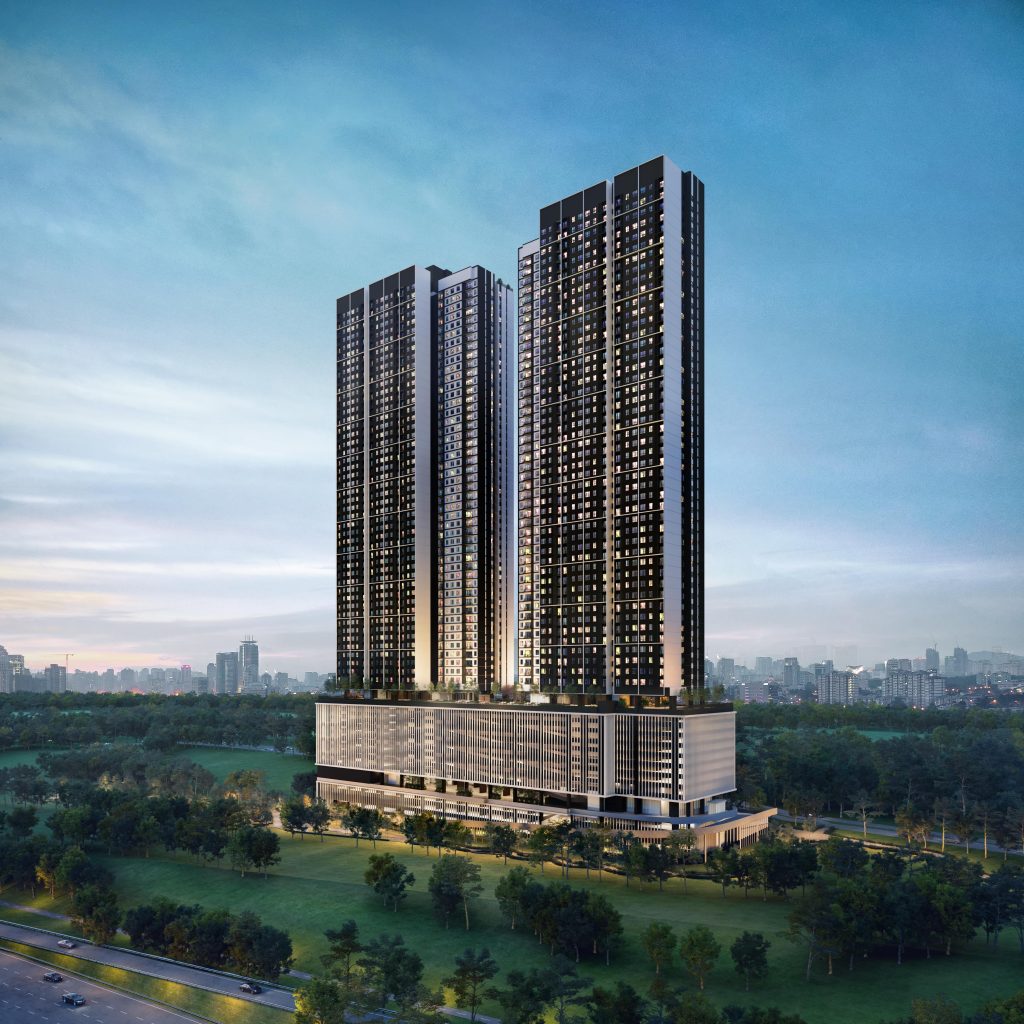
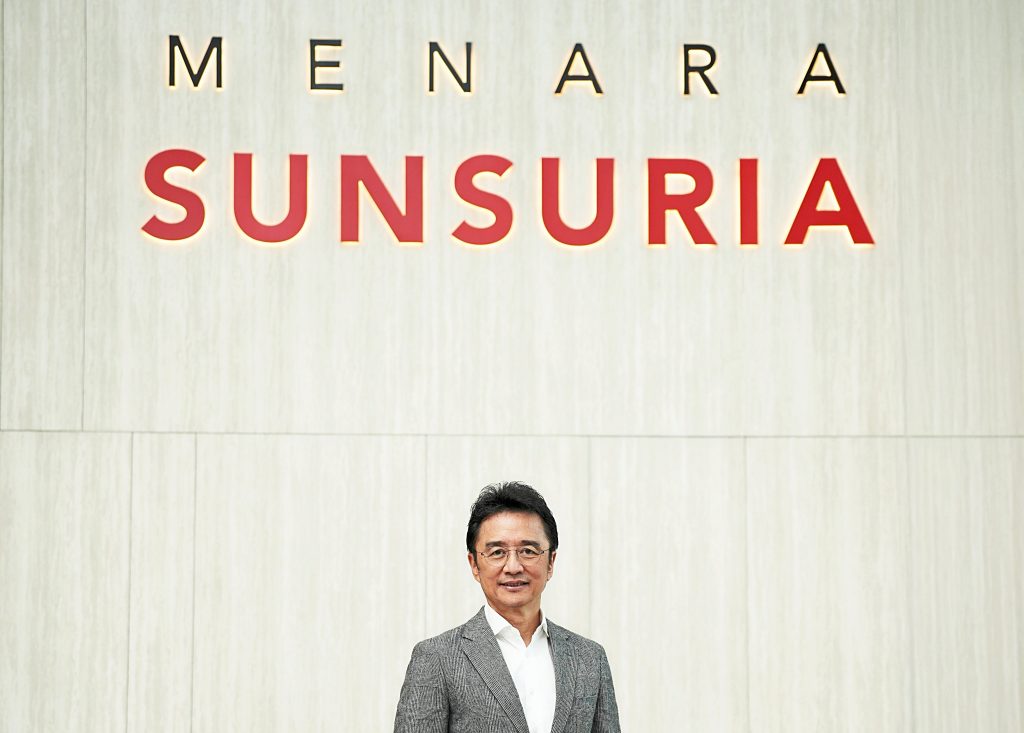
The companies’ performance is recognised through rankings in two categories: those with market capitalisation RM1bil and above as well as those below RM1bil. While developers across the ranking have demonstrated commitment to decarbonisation through adherence to various ESG frameworks, a glimpse of how the development industry integrates ESG is illustrated here, drawing from a selection of developers’ experience such as Sime Darby Property Bhd (SDP), Matrix Concepts Holdings Bhd (Matrix Concepts), IOI Properties Group (IOIPG), UEM Sunrise Bhd, Avaland Bhd, AME Elite Consortium Bhd (AME) and LBS Bina Group Bhd (LBS).
Commitment to stringent reporting
To ensure capital market alignment and cross-border transparency, these developers anchor their sustainability reporting in global accounting methodologies. These leading developers calculate and disclose their direct Scope 1 emissions, indirect electricity Scope 2 emissions and value chain Scope 3 emissions in strict alignment with the GHG Protocol Corporate Accounting and Reporting Standard.
Also, developers including SDP, Matrix Concepts, Avaland and AME are actively transitioning toward or aligning their disclosures with the IFRS Sustainability Disclosure Standards, specifically IFRS S1 for general sustainability disclosures and IFRS S2 for climate-related risks. Climate risk evaluation is structured around the Task Force on Climate-related Financial Disclosures framework which uses climate scenario analyses such as the Intergovernmental Panel on Climate Change SSP2-4.5 scenario and the Network for Greening the Financial System Net Zero 2050 pathway to assess physical and transition risks.
At the local level, some of these developers conform to the National Sustainability Reporting Framework alongside the Global Reporting Initiative Standards for non-financial impact reporting. Furthermore, LBS adopted the Taskforce on Nature-related Financial Disclosures LEAP approach to evaluate ecosystem impacts while all developers map their operational blueprints directly to United Nations Sustainable Development Goals (Goals 14 to 16) and national roadmaps such as the 12th Malaysia Plan, the National Energy Transition Roadmap and the Paris Agreement.
These reporting frameworks directly inform capital market benchmarks, most notably through constituent status and high rating bands on the FTSE4Good Bursa Malaysia Index. IOIPG leads its peer group in the top 3% with an ESG score of 4.3 out of 5.0 while UEM Sunrise and LBS both maintain 4-star ratings with an ESG score of 4.1. Avaland similarly retains its 4-star ESG rating while Matrix Concepts maintains inclusion using the FTSE Russell ESG Data Model.
Operationalising these standards requires formal net-zero roadmaps and phased interim decarbonisation targets. SDP’s Sustainability Strategy and Roadmap 2030 anchors its masterplanning on four pillars: energy and carbon, urban biodiversity, climate resilience, and community experience. Matrix Concepts is formulating a Climate Transition Roadmap aimed at reaching carbon neutrality by 2050. IOIPG executes segment-level emission reductions through its IOI Sustain Roadmap 2030. Guided by its Sustainability Blueprint 2.0, UEM Sunrise uses a 2023 baseline to target a 20% reduction in Scope 1 and Scope 2 emissions by 2030, an ambition-zero milestone by 2040 and full carbon neutrality by 2050. Avaland operates on a Decarbonisation Roadmap targeting net zero by 2050, having already surpassed its mid-term goal of cutting Scope 1 and Scope 2 carbon intensity by 45% by 2030 against a 2022 baseline by achieving a 57.2% reduction in financial year 2025. Meanwhile, LBS enforces a formal net-zero strategy alongside a target to reduce energy intensity by 10% by 2030.
Impact on end-users
For end users, these corporate targets manifest primarily through green building certification and low-carbon design methodologies that govern project execution across the development lifecycle.
Organisations mandate third-party ratings such as GreenRE, the Green Building Index, BCA Green Mark and EDGE. SDP targets GreenRE certification for all townships. UEM Sunrise enforced a board-approved policy requiring all new key developments from 2026 onwards to secure green certifications while Avaland applied its Project Green Plan across all residential projects.
To tackle embodied carbon, Avaland conducts cradle-to-gate Life Cycle Assessments during early design to locate and eradicate carbon hotspots. Developers optimise passive design, building orientation, natural cooling and daylighting using Building Information Modelling and Early Performance Analysis. For residents and tenants, this passive architectural optimisation drastically lowers reliance on air conditioning and artificial lighting, delivering substantial, permanent reductions in monthly utility bills.
During construction, the deployment of Industrialised Building Systems (IBS), Design for Manufacture and Assembly and system aluminium formwork effectively minimises material waste and construction defects, resulting in higher structural quality, better sound insulation and reduced long-term maintenance costs for homeowners. Additionally, Avaland mandates replacing at least 20% of conventional cement with certified green alternatives like slag or fly ash while low-VOC paints and non-toxic finishing materials ensure healthier indoor air quality for occupants.
Renewable energy thrust
Renewable energy generation, transit-oriented development and ecological carbon sinks further accelerate clean operations while transforming user lifestyle patterns. Landed residential properties are increasingly handed over with electric vehicle charger capability and solar photovoltaics installed, removing expensive retrofit barriers for homeowners transitioning to clean mobility or rooftop solar. SDP pioneered the first scalable residential rooftop solar leasing model in collaboration with Tenaga Nasional Bhd as part of the Community Renewable Energy Aggregation Mechanism (CREAM). Meanwhile, Kiara Bay, developed by UEM Sunrise, has a total installed solar capacity of approximately 1,004.18 kilowatt-peak, directly displacing grid-supplied electricity with renewable energy for internal self-consumption.
Matrix Concepts generates 13.5% of its operational energy mix from solar photovoltaics across townships, clubhouses and industrial parks. Townships such as Bandar Sri Sendayan prioritise low-carbon city measures, incorporating transit-oriented designs, dedicated cycle paths, covered walkways to train stations and public EV charging networks. This multi-modal transit infrastructure reduces residents' dependence on personal motor vehicles, reducing fuel expenses on commuting and cutting daily traffic stress. Meanwhile, LBS is developing a 43 megawatt-peak solar farm in Senawang that produces 53.8 million kilowatt-hours annually to offset roughly 35,000 tonnes of carbon dioxide.
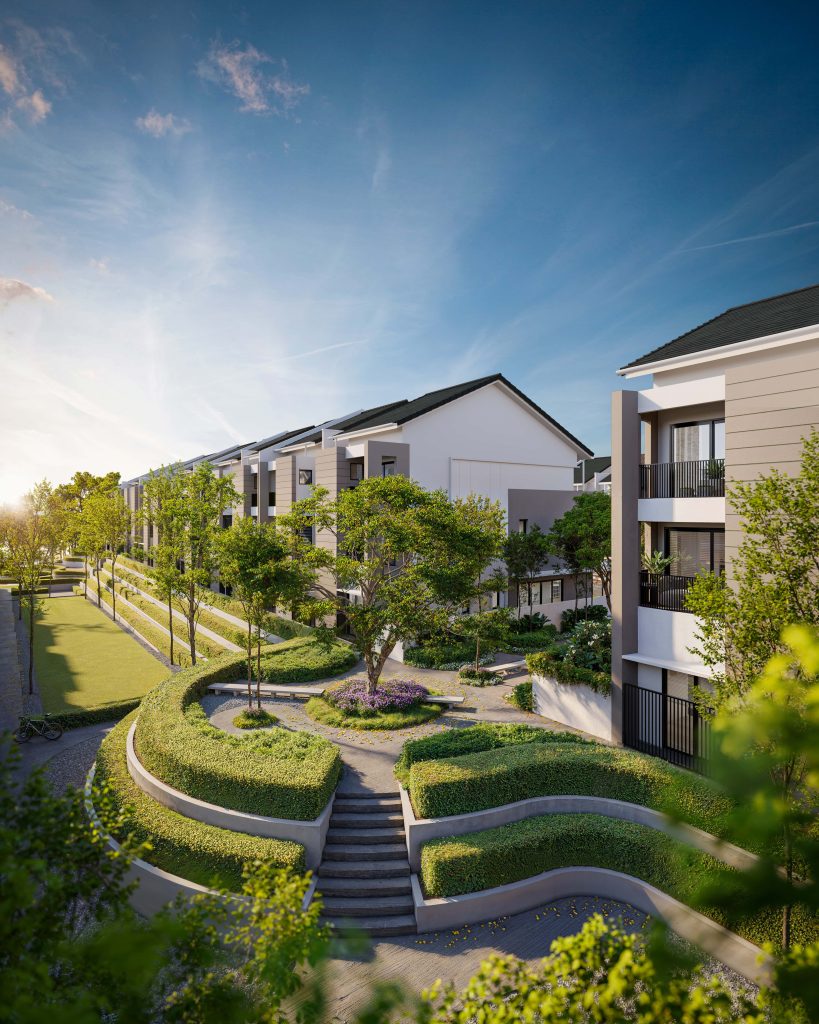
To address unavoidable residual emissions, nature-based carbon sequestration is integrated directly into land planning. Targeting net-positive biodiversity by 2030, SDP incorporates ecological restoration in their master planned developments, realising initiatives such as the 2.1 km Elmina Urban Biodiversity Corridor, Hamilton Biodiversity Park and KL East Park. Matrix Concepts’ Miyawaki forest programme is an urban replanting initiative that creates dense, fast-growing and self-sustaining forest ecosystems by replicating natural forest conditions. UEM Sunrise maintains the 343-acre Sireh Park and Avaland mandates a minimum 70:30 ratio of native to non-native trees across its developments. These expansive green spaces lower urban heat island effects, mitigate local flood risks through natural stormwater absorption and foster vibrant outdoor recreational areas that improve physical health and mental well-being for local communities.
Going wider with Scope 3
Finally, developers are committing to broader ESG integration through managing the emissions of their value chain. Measuring and managing Scope 3 emissions depends on vendor governance, hyper-local procurement, internal economic mechanisms and green financing frameworks, all of which strengthen consumer confidence and long-term financial returns.
LBS introduced a Centralised Sustainability Intelligence platform for supply chain governance which relies on digital tools to gather vendor ESG performance data. IOIPG conducts capacity-building sessions and achieved a 70% vendor self-assessment completion rate in financial year 2025, while AME screens all new suppliers against environmental, social and governance criteria based on standards such as ISO 9001:2015 and ISO 45001:2018. The group also conducts annual re-evaluations of its existing suppliers and contractors to ensure they continue to meet the required quality and ESG standards. At Matrix Concepts, around 95% of its suppliers have signed its Sustainable Supply Chain Policy.
To shrink transport emissions, developers prioritise hyper-local sourcing, directing over 99% of total procurement spend to regional suppliers, which bolsters local economic resilience and ensures prompt access to replacement building components. Through Scope 3 tracking under the GHG Protocol, Avaland identified the use of sold products (Category 11) as representing 97% of its overall footprint—prompting the integration of water-efficient fittings and high-efficiency appliances that directly cut operational overhead for buyers.
Internalising ESG
These comprehensive decarbonisation initiatives are financed through specialised Sustainability Sukuk Frameworks that fund green developments, renewable power and climate-resilient infrastructure. For end users, buying into these sustainably financed, green-certified developments potentially offers enhanced long-term property value retention, lower insurance risks against extreme weather events and preferential green mortgage rates offered by major financial institutions.
To complete the decarbonisation cycle, decarbonisation strategy is embedded into top-level corporate oversight and executive compensation. Matrix Concepts incorporates a 5% sustainability weightage into annual performance assessments for all executive staff. UEM Sunrise embeds FTSE4Good ratings and carbon KPIs directly into the Corporate Scorecard and the managing director/chief executive officer’s performance evaluation. Similarly, carbon reduction KPIs (Scope 1 and 2) are embedded into SDP senior management’s performance scorecards and linked to annual bonus outcomes.
The efforts show that the development industry is no longer merely playing its role in ESG compliance; they are actively reshaping the industry business model where having strong ESG credentials puts it forward and aligns it with the reality of climate change, AI and future-readiness.
Ranking by ESG: RM1bil & above tier
| 1 | Sime Darby Property Bhd |
| 2 | SP Setia Bhd |
| 3 | IOI Properties Group Bhd |
| 4 | UEM Sunrise Bhd |
| 5 | Eastern & Oriental Bhd |
| 6 | MRCB Bhd |
| 7 | Tropicana Corporation Bhd |
| 8 | OSK Holdings Bhd |
| 9 | Matrix Concepts Holdings Bhd |
| 10 | IGB Bhd |
Ranking by ESG: RM1bil & above tier
| 1 | Avaland Bhd |
| 2 | LBS Bina Group Bhd |
| 3 | AME Elite Consortium Bhd |
| 4 | Eupe Corporation Bhd |
| 5 | Land and General Bhd |
| 6 | Sunsuria Bhd |
| 7 | Paramount Corporation Bhd |
| 8 | WCT Holdings Bhd |
| 9 | Glomac Bhd |
| 10 | Titijaya Land Bhd |
Stay ahead of the crowd and enjoy fresh insights on real estate, property development and lifestyle trends when you subscribe to our newsletter and follow us on social media.