

As Chinese corporations expand globally at an unprecedented pace, Corporate Real Estate (CRE) has shifted from backend operations to a core strategic priority. According to JLL’s Thriving Beyond research, 97% of surveyed Chinese executives view international expansion as vital to their corporate strategy.
1. The global expansion reality
Despite high ambitions, moving into foreign property markets often leads to friction. Unfamiliarity with local norms, regulations and transaction paces creates immediate roadblocks.
| METRIC | IMPACT ON CHINESE FIRMS MOVING OVERSEAS |
| Site selection friction | 82% encounter unexpected hurdles during site selection. |
| Transaction paces | 78% face friction due to slower overseas transaction speeds compared to China's fast market. |
| Project delays | Nearly 66% suffer costly project timeline delays. |
| Budget overruns | Over 50% exceed their capital budget allocations. |
| Sub-optimal sites | Nearly 33% settle for interim or non-ideal locations just to launch operations. |
2. Sector-specific challenges
Real estate hurdles manifest differently across asset classes:
- Corporate offices: Business development teams often select sites without involving CRE, legal or IT departments—resulting in spaces that breach local labour laws or lack proper infrastructure.
- Retail brands: Expanding brands face tight supply in prime districts, stringent landlord credibility checks, unfamiliar supply chains and complex local permit requirements.
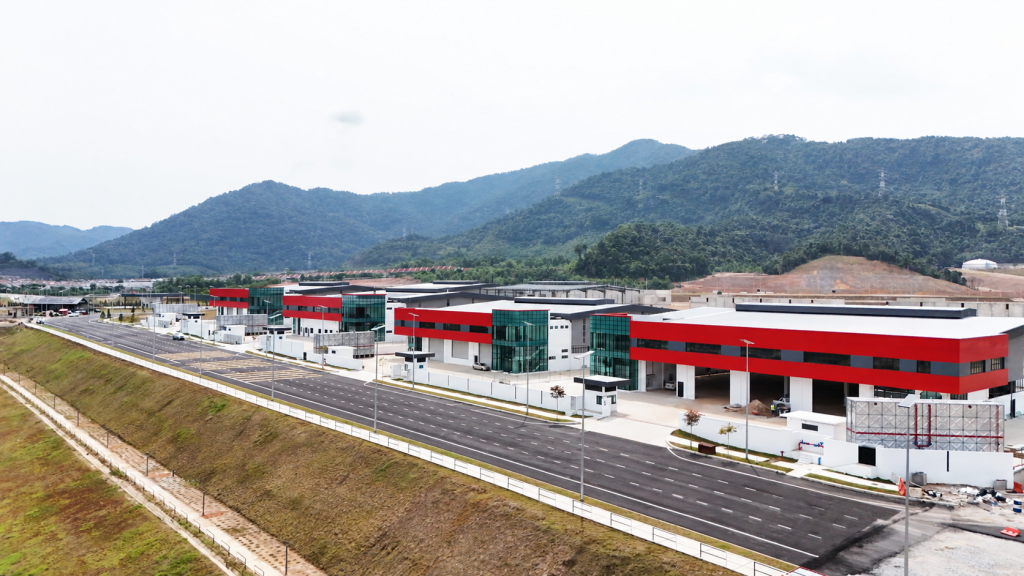
- Industrial and logistics: Chinese firms used to flexible, short-term leases face rigid 7-to-10-year commitments from European institutional landlords, along with scarce specialised facilities (eg. hazardous material storage).
3. De-risking strategies
To navigate these obstacles, Chinese multinationals are professionalising their CRE strategies:
- Standardisation: 75% plan to establish standardised site-selection processes.
- External expertise: Nearly 50% intend to hire professional external real estate advisors over the next two years.
- Flexible workspaces: Early-stage entrants are leveraging co-working and managed offices to minimise upfront capital expenditure before committing to long-term leases.
4. Spotlight on Malaysia
Malaysia remains a major beneficiary of this expansion, with China consistently ranking among its top three FDI contributors—particularly in high-value manufacturing and semiconductor assembly.
Geographic expansion beyond main hubs
While the Klang Valley, Penang (including Kulim) and Johor remain core destinations, expanding firms are targeting strategic regional alternatives:
- Kuantan (Pahang): Direct seaport connectivity to the South China Sea for streamlined international shipping.
- Perak: Ideal for projects requiring large land banks, natural resources and agricultural inputs.
The supply chain ecosystem model
Instead of expanding as isolated entities, Chinese anchor manufacturers are bringing their tier-one and tier-two supply chain partners with them—localising entire industrial ecosystems within Malaysia.
Stay ahead of the crowd and enjoy fresh insights on real estate, property development and lifestyle trends when you subscribe to our newsletter and follow us on social media.