Targeted infrastructure funds for regional property ecosystems needed
Addressing regional economic disparities remains a central pillar of Malaysia’s national housing and urban planning agenda, especially as the country plans next year's Budget. While the macroeconomic narrative highlights robust national Gross Domestic Product (GDP) expansion and stable monetary conditions, the operational realities on the ground in East Malaysia tell a starkly different story.
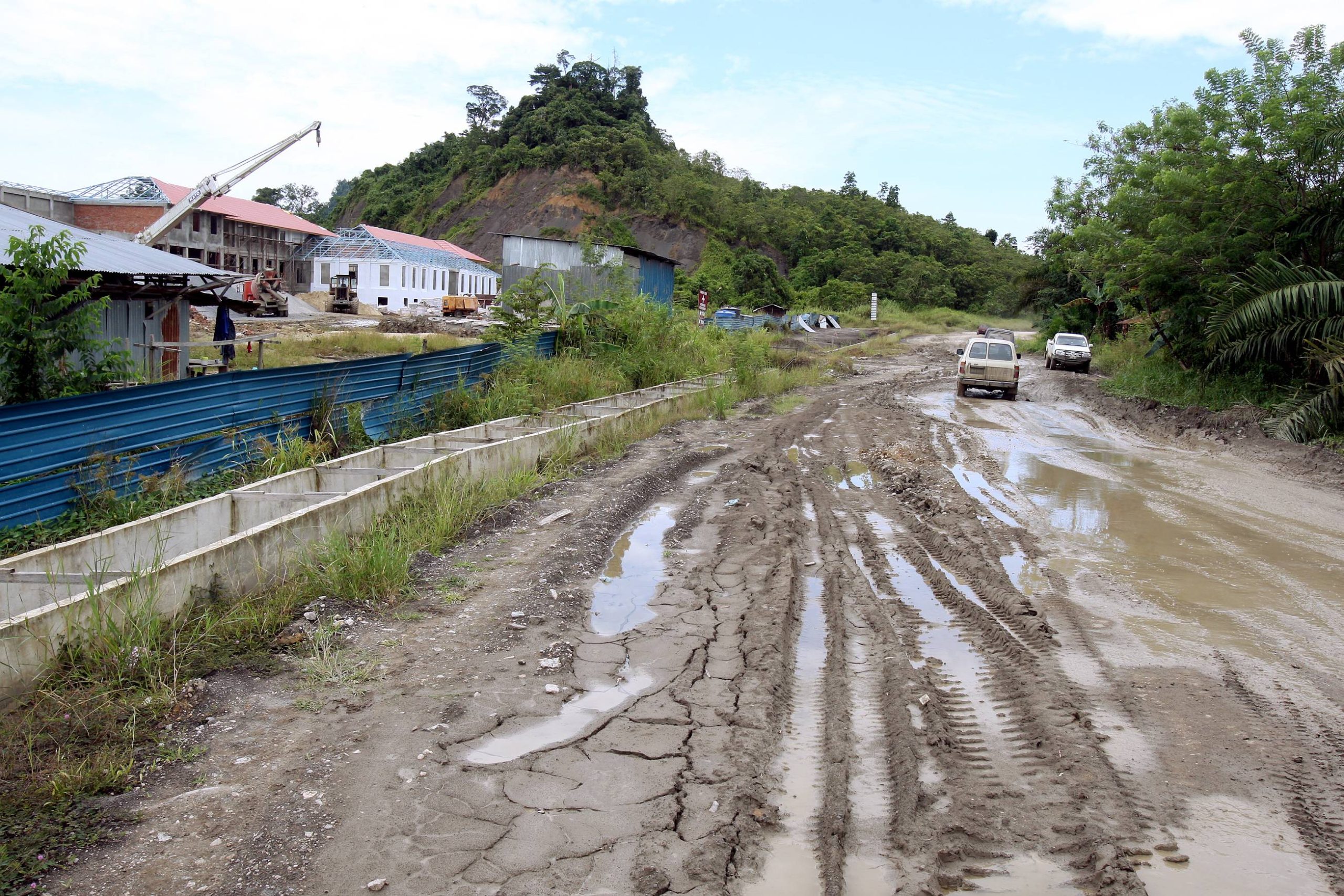
Developers and real estate leaders across Sabah and Sarawak continue to navigate severe structural bottlenecks, ranging from critical utility shortages and fragmented road networks to elevated logistical expenditures.
During the StarProperty Budget 2027 Roundtable, industry leaders from the Sabah Housing and Real Estate Developers Association (Shareda) and the Sarawak Housing and Real Estate Developers’ Association (Sheda) called on the Ministry of Finance to allocate targeted, regionalised infrastructure funding.
Streamlining utility readiness, establishing transparent cost-sharing frameworks and funding essential trunk road networks are essential steps to lower basic development costs, prevent artificial housing price inflation and allow regional urban hubs to thrive.
The cost of regional disparities
A major point raised by East Malaysian industry leaders during the roundtable is the fundamental flaw of applying uniform, one-size-fits-all federal policies across Peninsular and East Malaysia. Due to distinct geographical footprints, supply chain constraints and localised market dynamics, development economics in Sabah and Sarawak operate under starkly different parameters.
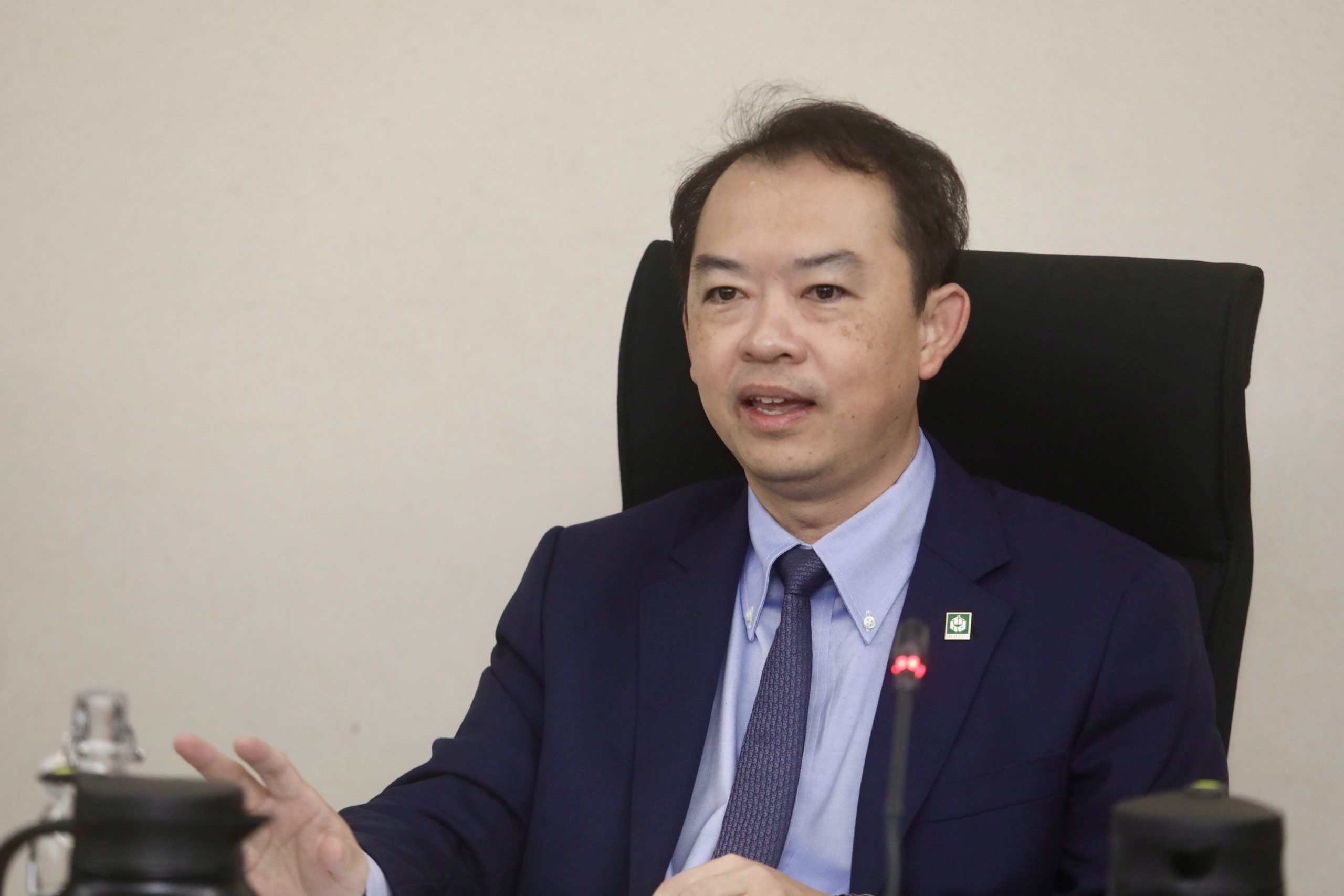
Building materials and logistics in Sabah, for instance, carry a significant price premium compared to the Peninsula. Shareda deputy president Benny Ng emphasised that this structural cost barrier severely limits housing affordability and delivery speed:
"In Sabah’s context, we are very different in demographics and purchasing power. Our development cost is so high. One-size-fits-all policy doesn't work at all... Materials in Sabah are 15% to 30% more, compared to any state in Peninsular Malaysia. The budget, the blanket policy and the regulatory implementation have to make way for Sabah to address these cost differentials," he said.
Beyond material inflation, utility readiness remains a persistent operational hurdle. In many growth corridors across Sabah, base-load power supply and water catchment infrastructure have struggled to keep pace with rapid urban expansion.
When utility providers require private developers to build, finance and equip major external substations and water treatment linkages out-of-pocket, these heavy capital expenses are ultimately passed on to end-buyers, artificially elevating local house prices beyond genuine household purchasing power.
Furthermore, lack of centralised, granular market research in East Malaysia exacerbates the mismatch between policy intent and ground-level execution. Without localised data tracking purchasing power, regional demand profiles and supply overhangs, blanket federal guidelines risk distorting the regional market rather than stabilising it.
Infrastructure as a masterplan: The Sarawak perspective
In Sarawak, the challenges of geographical scale present a similar hurdle for urban planners and developers. Spanning over one-third of Malaysia's total landmass, Sarawak requires extensive capital investment to link isolated regional districts, upgrade municipal drainage networks and support expanding City and town centres like Kuching, Sibu, Bintulu and Miri.
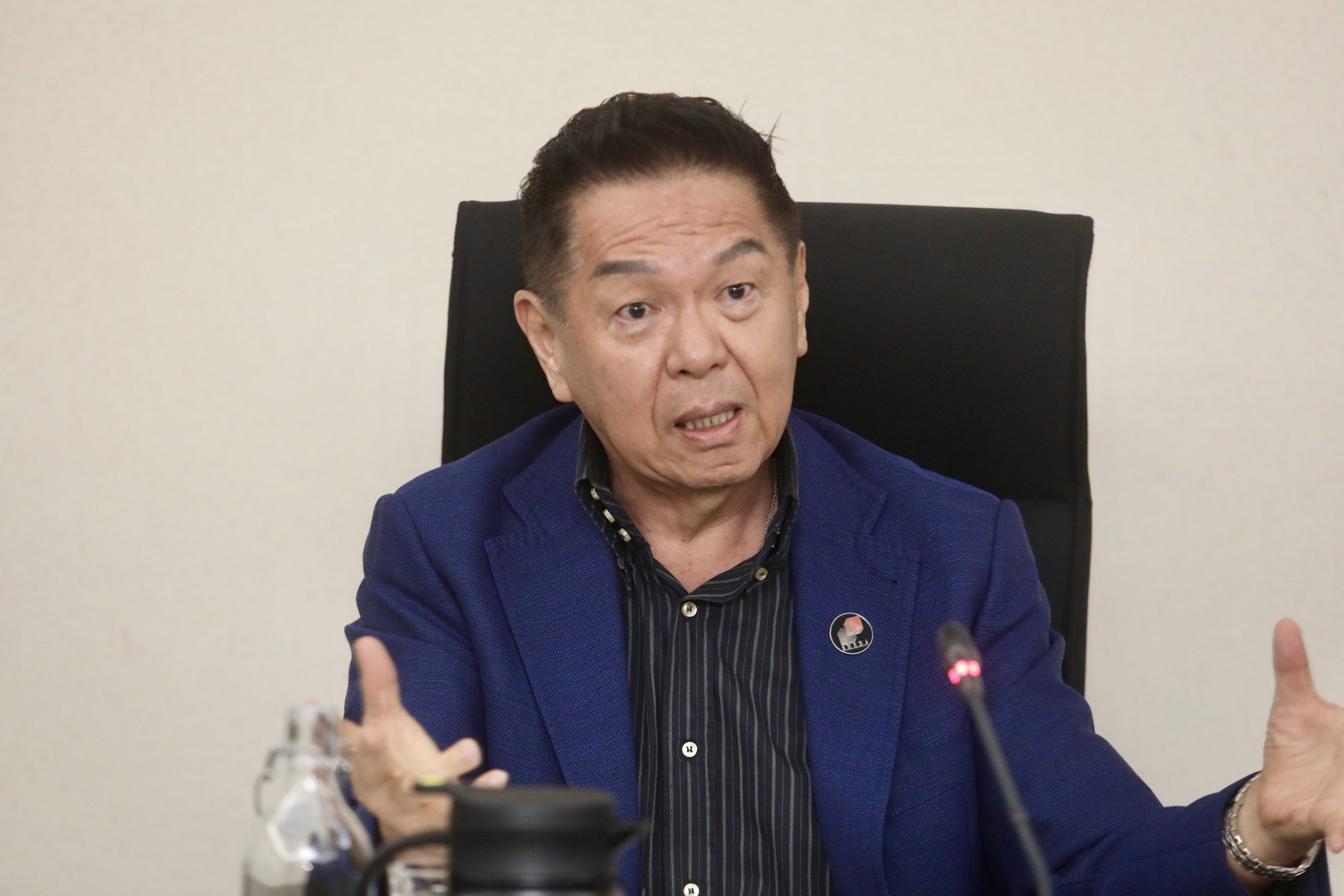
Highlighting the need for sustained federal development funding to match the region's physical scale, SHEDA president Datuk Augustine Wong noted that developers should not be expected to fund regional public infrastructure:
"Sarawak is the biggest state in Malaysia, representing nearly 38% of the country's landmass but with a very spread-out population. Infrastructure is simply not there yet to support large-scale township master planning," Wong said.
"Developers cannot pay all the costs of building regional infrastructure; we can only build within our project sites. We need targeted federal allocation to improve water, electricity and basic road connectivity across the state," he added.
While major catalytic projects like the Pan Borneo Highway have significantly improved inter-district connectivity, localised utility grids and secondary access networks require targeted federal budget allocations to unlock surrounding landbank for sustainable, affordable housing developments.
Moreover, cumbersome approval processes and extended compliance timelines compound holding costs for regional builders. When statutory clearances take years to materialise, compounding interest rates and material inflation inevitably squeeze project viability, discouraging private investment in much-needed residential master plans.
Strategic recommendations for Budget 2027
To build a resilient property ecosystem in East Malaysia, the StarProperty Budget 2027 Memorandum recommends four targeted policy interventions:
- Targeted utility infrastructure grants: Establish dedicated federal co-funding mechanisms for utility connections in designated regional growth hubs, ensuring developers are not forced to fully fund off-site electrical substations and water distribution mains.
- Transparent cost-calculation frameworks: Standardise and publish clear capital contribution guidelines for state utility providers, eliminating arbitrary billing practices and ensuring predictable holding costs for private developments.
- Regionalised affordability and policy thresholds: Reframe national housing initiatives (such as stamp duty exemptions, Home Ownership Campaign thresholds and credit guarantee schemes) to reflect local median household incomes and actual construction cost realities in Sabah and Sarawak, rather than relying on Peninsular baselines.
- Streamlined digital approvals and localised big data: Accelerate the adoption of unified, fast-tracked digital approval pathways (such as 100-day standard processing models) while investing in regional property data research centres to provide accurate, real-time insights into localised supply and demand dynamics.
Accelerating utility readiness and funding strategic infrastructure in East Malaysia is more than a localised real estate concern but a national economic imperative. By addressing fundamental infrastructure gaps in Budget 2027, policymakers can lower developer compliance costs, foster regional job growth and ensure that families across Sabah and Sarawak have access to well-connected, high-quality and affordable homes.
Sarawak, representing nearly 38% of the country's landmass, faces a lacking of infrastructure to support large-scale township master planning, Wong said
"In Sabah’s context, we are very different in demographics and purchasing power. Our development cost is so high. One-size-fits-all policy doesn't work at all,” said Ng.
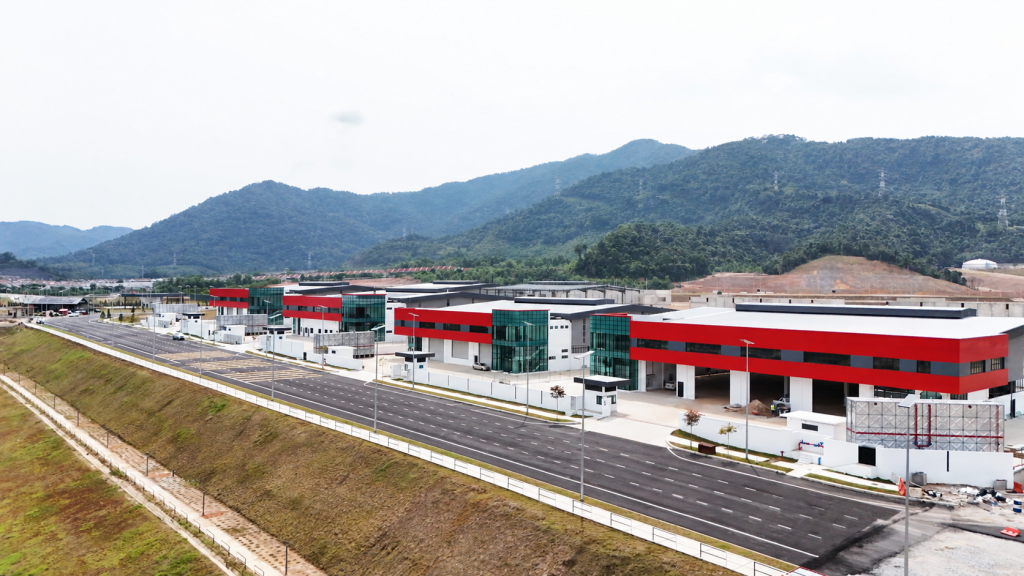
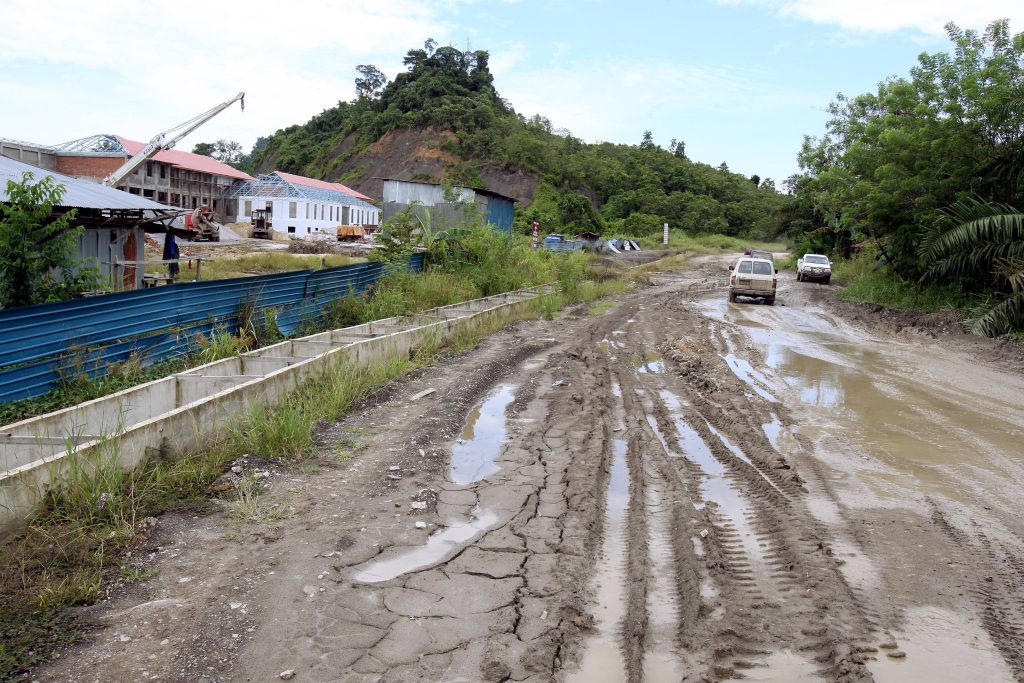
Federal allocation to basic road connectivity in Sabah and Sarawak can help lower development costs which otherwise would be passed on to home buyers.
Stay ahead of the crowd and enjoy fresh insights on real estate, property development and lifestyle trends when you subscribe to our newsletter and follow us on social media.