True construction quality lies in craftsmanship, appropriateness and design
By Joseph Wong
In the real estate and construction industries, there is a pervasive myth that a higher price tag automatically translates to a superior build. Property owners and inexperienced developers often fall into the trap of assuming that hoarding premium, top-tier supplies will naturally guarantee an indestructible, flawless structure.
The reality of the construction ecosystem breaks down quite differently. Overpaying for premium supplies does not guarantee a superior structure if those materials are fundamentally unsuited to the local environment or if they are poorly installed by the workforce on-site.
True construction quality is not a measure of how much money was spent per square foot on raw materials, noted Building Materials Distributors Association of Malaysia (BMDAM) president Lim Chun Heng. Rather, a better build relies heavily on environmental appropriateness, proper installation and overall smart design.
Real Estate and Housing Developers’ Association (Rehda) president Datuk Ho Hon Sang concurred: “A quality, sturdy building is a result of various aspects of all different stages of construction. Other than the quality of products or materials, it also depends on the forces behind the construction such as the professionals involved including architects, engineers, planners and surveyors.
“Workmanship is also an important aspect – construction can use the most expensive materials but without meticulous and responsible workmanship, builders cannot deliver quality projects. Similarly, in all stages of development, work must be undertaken in accordance with the required or stipulated standards.”
Moreover, to maximise return on investment and build structures that stand the test of time, stakeholders must look past marketing buzzwords and analyse the true mechanics of cost versus quality in modern construction.

Adapting to local climates
A material can be incredibly expensive, highly prized in international architectural digests and yet remain entirely unsuitable for the specific microclimate of a project site like in the heart of Kuala Lumpur, Penang’s coastal areas or Genting Highlands’ elevated slopes.
In construction, matching a material's physical properties to local weather patterns is paramount. For instance, using premium, high-thermal-mass stones might look spectacular in a continental European setting but in a humid, tropical climate like Petaling Jaya, those same stones will act as a heat sponge. They will trap intense solar radiation throughout the day and radiate that heat into the living spaces long into the night, forcing air conditioning units to run continuously and driving electricity bills through the roof.
Conversely, opting for cost-effective, engineered materials can deliver vastly superior energy efficiency and indoor comfort. Modern solutions like Autoclaved Aerated Concrete (AAC) blocks or high-performance insulation barriers cost a fraction of imported stone, yet their thermal insulation properties are perfectly optimised for tropical environments. By selecting materials based on scientific fit rather than luxury branding, builders can create structures that are more comfortable, cheaper to maintain and environmentally sustainable.
Skill over material grade
The old construction adage holds true. A premium material is only as good as the hand that installs it. Even the highest-grade materials available on the market, such as imported premium hardwood flooring, exotic marbles or high-end architectural roofing shingles, are guaranteed to fail prematurely if they are subjected to poor installation and a lack of regular maintenance.
Using high-grade products but low-grade supporting materials is another factor. “Don’t cut the corners,” said Lim. For example, using premium marble slabs but the cement or plaster holding the panels in place is sub-standard.
Consider the contrast between poorly handled premium materials and expertly executed budget supplies:
- The premium failure: If luxury hardwood planks are laid down without proper moisture barrier testing or structural expansion gaps, the humidity will inevitably cause the wood to warp, buckle and crack within a few seasons, rendering the massive upfront investment entirely useless.
- The budget success: On the other side of the spectrum, standard, budget-friendly materials like properly mixed and cured concrete or local masonry can easily last for decades. When executed by skilled, disciplined builders who understand water-cement ratios, proper steel reinforcement placement and precise joint cutting, basic concrete transforms into a hyper-durable asset that requires minimal upkeep.
The lesson for developers is clear. Allocate budget to hire certified, highly skilled tradespeople and strict site supervisors, rather than exhausting the entire capital pool on pricey finishes that will ultimately be ruined by subpar labour.
Maximising structural integrity
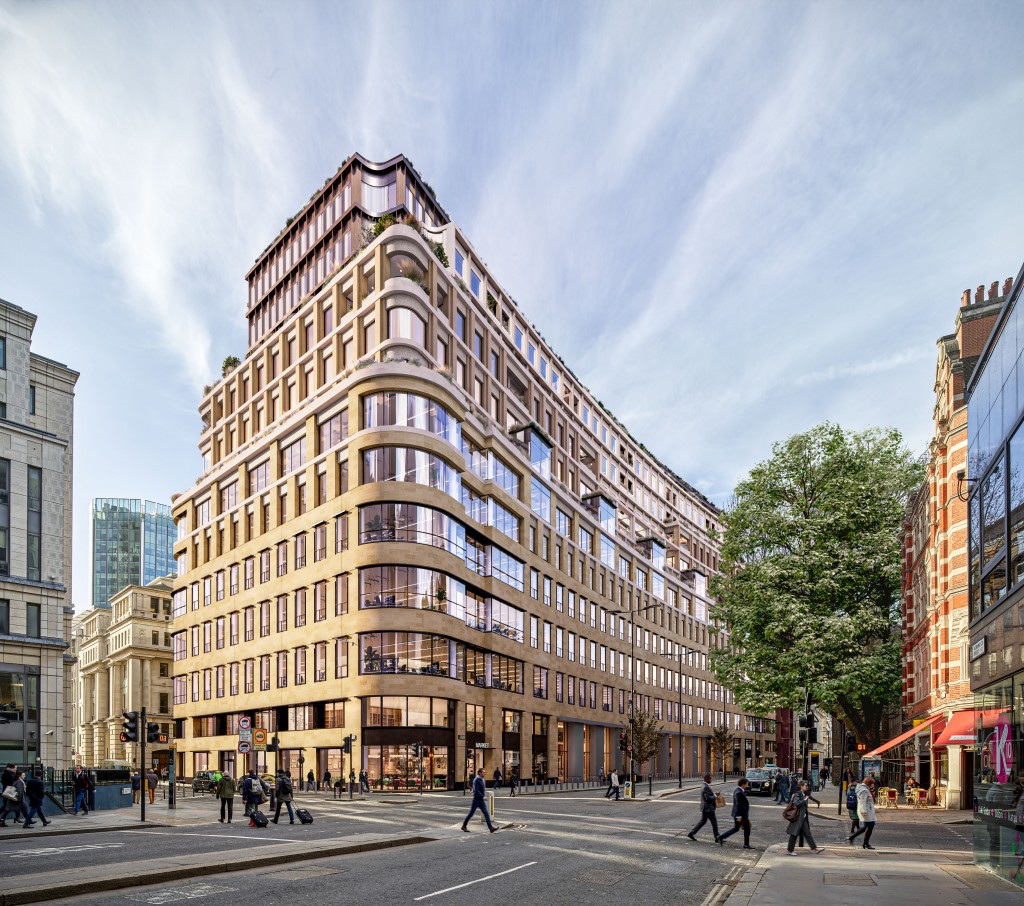
A highly functional, structurally sound building depends heavily on efficient, intelligent design rather than material opulence. Architectural plans that feature highly complex rooflines, jagged footprints or dramatic curved walls demand specialised labour and structurally complex, expensive materials just to keep the building stable. These aesthetic flourishes quickly drain a project's financial reserves.
By prioritising design optimisation, architects can utilise clean, simple footprints that maximise usable interior space and eliminate material waste. Simplifying the geometry of the building creates a highly efficient construction workflow. More importantly, it leaves ample room in the budget to invest heavily in the areas that truly matter, that is, the building's core structural integrity, high-quality waterproofing and robust foundational engineering.
Luxury finishes can always be updated or added down the line but fixing a flawed, cutting-corners structural core after the building is completed is catastrophically expensive.
The economics of whole-life costing
When evaluating construction costs, true cost-effectiveness is never about finding the absolute cheapest price tag on day one. It is about analysing whole-life value.
While it is true that overpaying for superficial luxury materials is a waste of capital, under-investing in critical structural components out of short-sighted frugality is equally dangerous. True value is found by spending a little more upfront on certified, highly durable structural materials that shield the owner from future financial liabilities.
Investing in these high-durability core materials pays off exponentially over the life-cycle of the building because it drastically minimises ongoing repair, remediation and replacement costs. This strategic distribution of capital represents the sweet spot of construction economics: avoiding superficial premium markups while insisting on absolute structural excellence.
That is why REHDA continues to encourage its members to uphold the nation-building role of providing quality, affordable homes for the people in a timely and sustainable manner, said Ho.
“While it is important to perform our due diligence to ensure the products perform as advertised, expensive branded materials can mean a better building although it does not guarantee it. In any case, it is a good start when researching for the products to ultimately be used as different materials can be compared using these high-end items as the benchmark,” Ho added.
By pivoting away from the illusion of expensive materials and refocusing on environmental appropriateness, immaculate installation standards, optimised floor plans and long-term life-cycle value, developers can build genuinely superior structures.
Stay ahead of the crowd and enjoy fresh insights on real estate, property development and lifestyle trends when you subscribe to our newsletter and follow us on social media.