As everyday goods move closer to customers, dark stores could give overlooked units in business estates a new purpose.
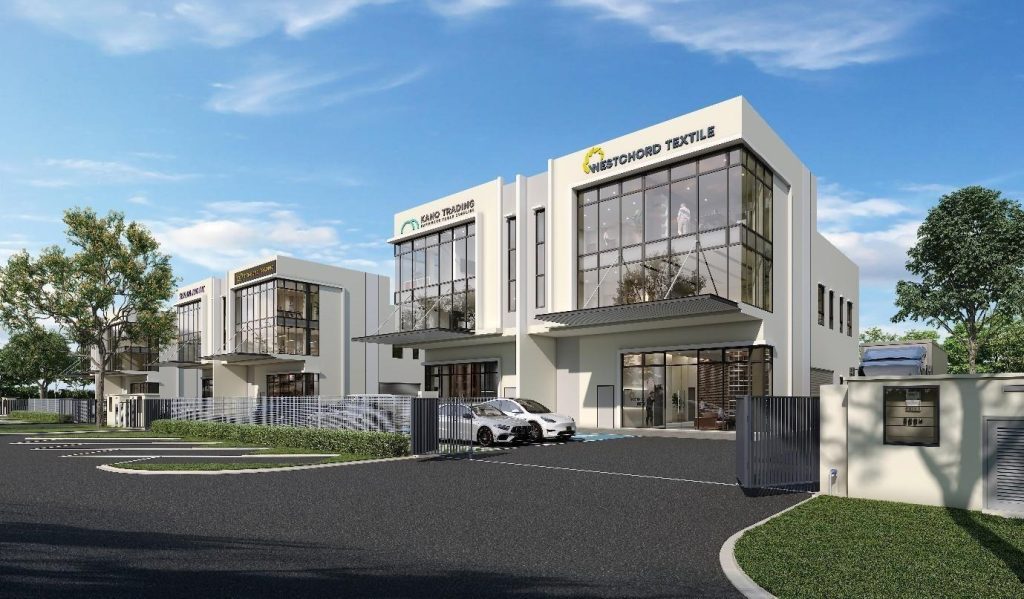
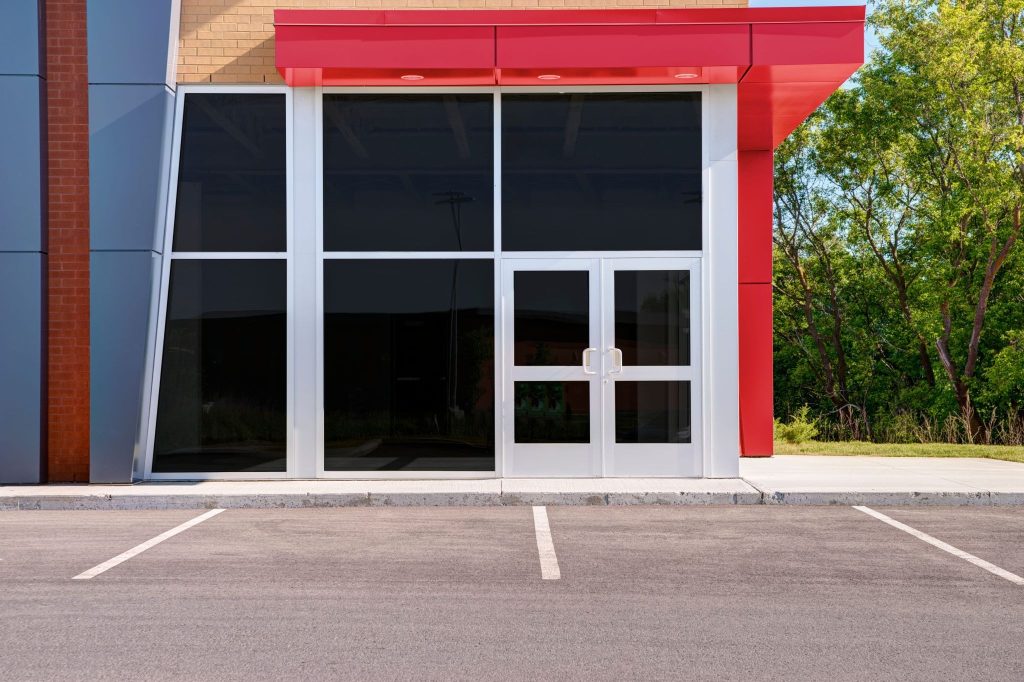
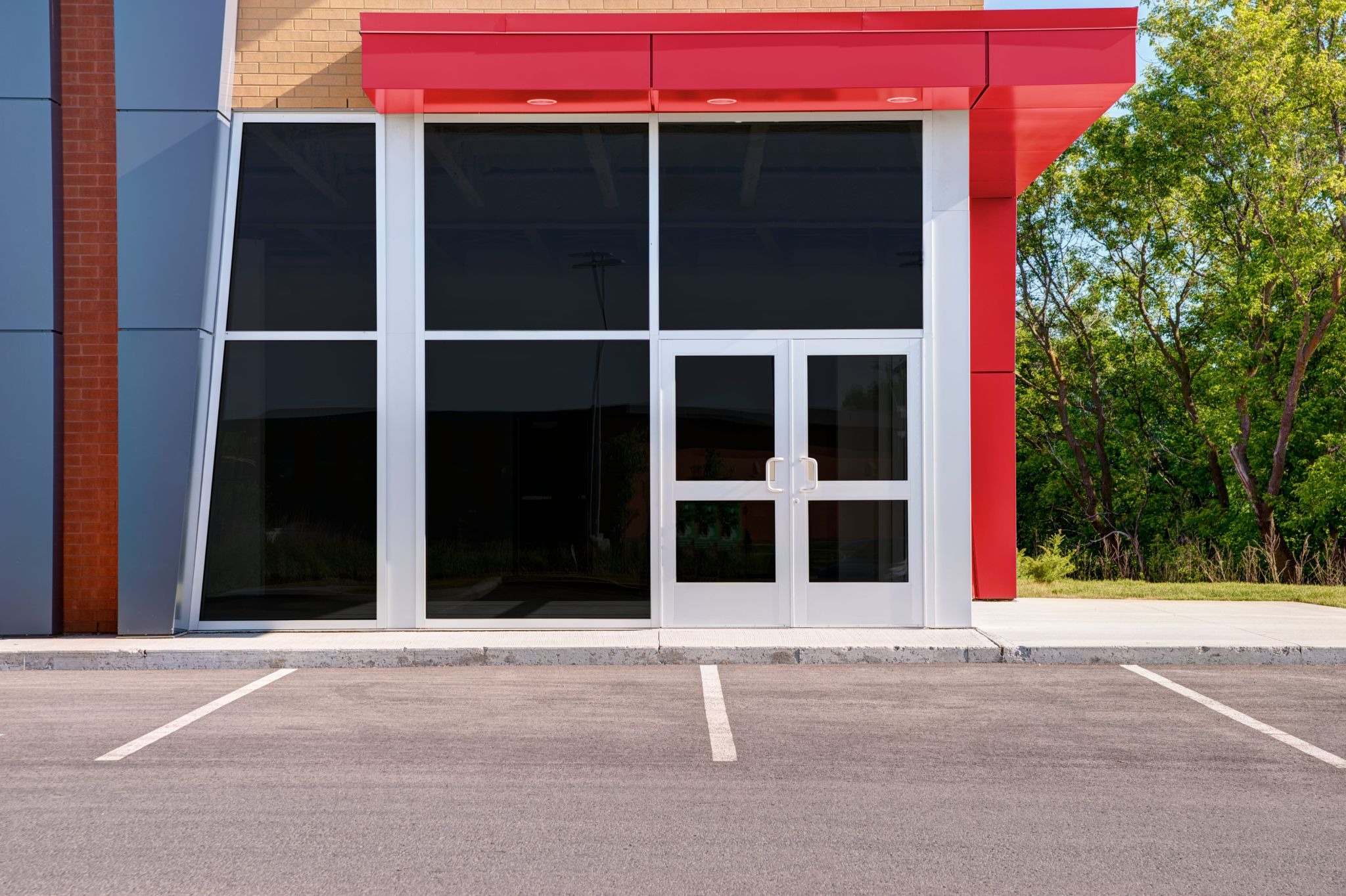
In some business estates, certain commercial units appear to be completely sealed off from the public. Their windows are heavily tinted, their doors are fitted with passcode devices with no displays and there are no customers in sight. Yet delivery riders continue arriving, collecting packages and leaving again within minutes. While these mysterious properties may look like something out of an action movie, their actual purpose is far simpler. They are hyperlocal dark stores or closed-door micro-warehouses built to fulfil online orders rather than serve walk-in customers.
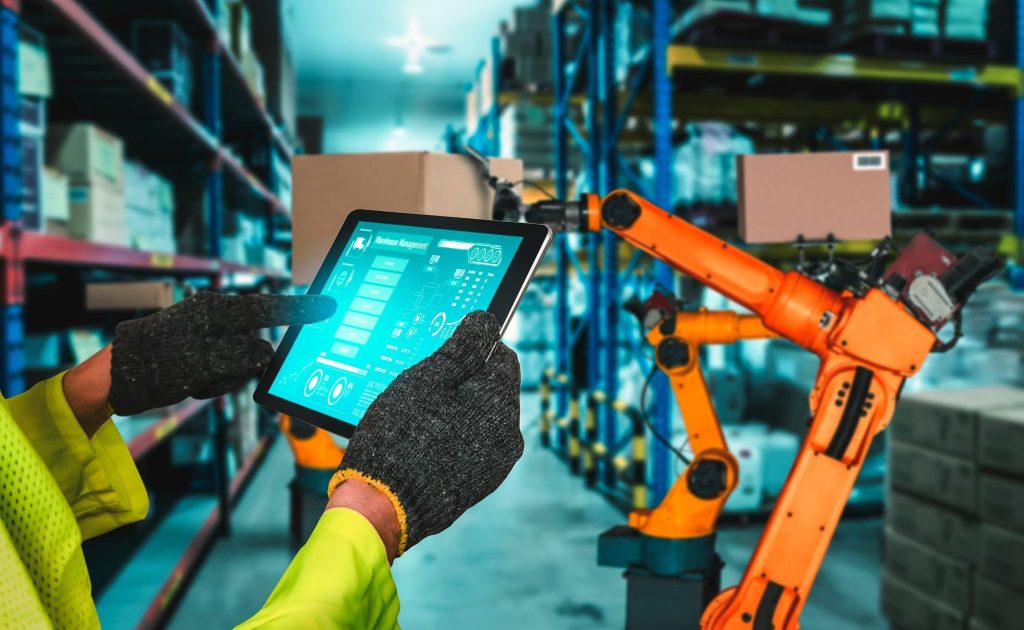
Unlike conventional retailers, dark stores do not need attractive displays, checkout counters or customer service areas. Their interiors are generally fitted with industrial shelving and organised to help workers locate, pack and dispatch orders quickly. They tend to stock frequently purchased products like toiletries, groceries and household essentials. Stock levels are usually synchronised with an online platform while access is generally limited to employees and authorised delivery riders.
Location remains important, although not for the usual retail reasons. Dark stores need to place popular products close to large groups of online customers, allowing orders to cover the final stage of their journey within a relatively limited delivery radius.
This means every quick delivery still depends on a physical property that can receive supplies, store goods and move riders in and out efficiently. For owners and managers of business estates, dark stores could therefore become a new type of tenant for units that struggle to attract conventional retailers.
The e-commerce market is diversifying
Dark stores sit within the wider quick-commerce (q-commerce) market. A private report published this year placed the Malaysian market at RM7.4bil in 2025, compared with RM6.9bil a year earlier.
For now, no official data is separating dark-store activity from the rest of the market. The closest available figures from DOSM cover e-commerce as a whole which recorded RM338bil in income in Q2 2026. This was 2.9% higher than during the same quarter last year. While not a like-for-like comparison, it gives some idea of how much business is already being conducted through digital channels.
So as q-commerce grows, perhaps it is time for the government to start tracking the sector separately. Knowing how many dark stores are operating, where they are located and how much space they occupy would help local authorities, landlords and planners understand their impact on commercial properties and urban logistics.
Growth also has a physical side. Goods ordered online must still be stored, packed and delivered. Transportation and storage revenue increased by 9.4% year-on-year during the same quarter while postal and courier services recorded stronger growth of 11.5%.
DOSM attributed the performance partly to expanding e-commerce and rising demand for express delivery. For the property industry, the trend creates a simple question: Where should goods be kept when customers expect them almost immediately?
Rethinking the value of a location
A conventional retailer generally depends on visibility, frontage and foot traffic. A dark store has little use for these features because its customers never enter the premises. Instead, operators look at population density, delivery coverage and road access. A prominent corner lot may command a premium from a restaurant or retailer but offer little extra value to a business whose sales take place entirely through an application. A less visible unit could be equally useful if riders and replenishment vehicles can reach it easily. Rear-facing shoplots and older commercial units close to residential catchments could therefore find new relevance.
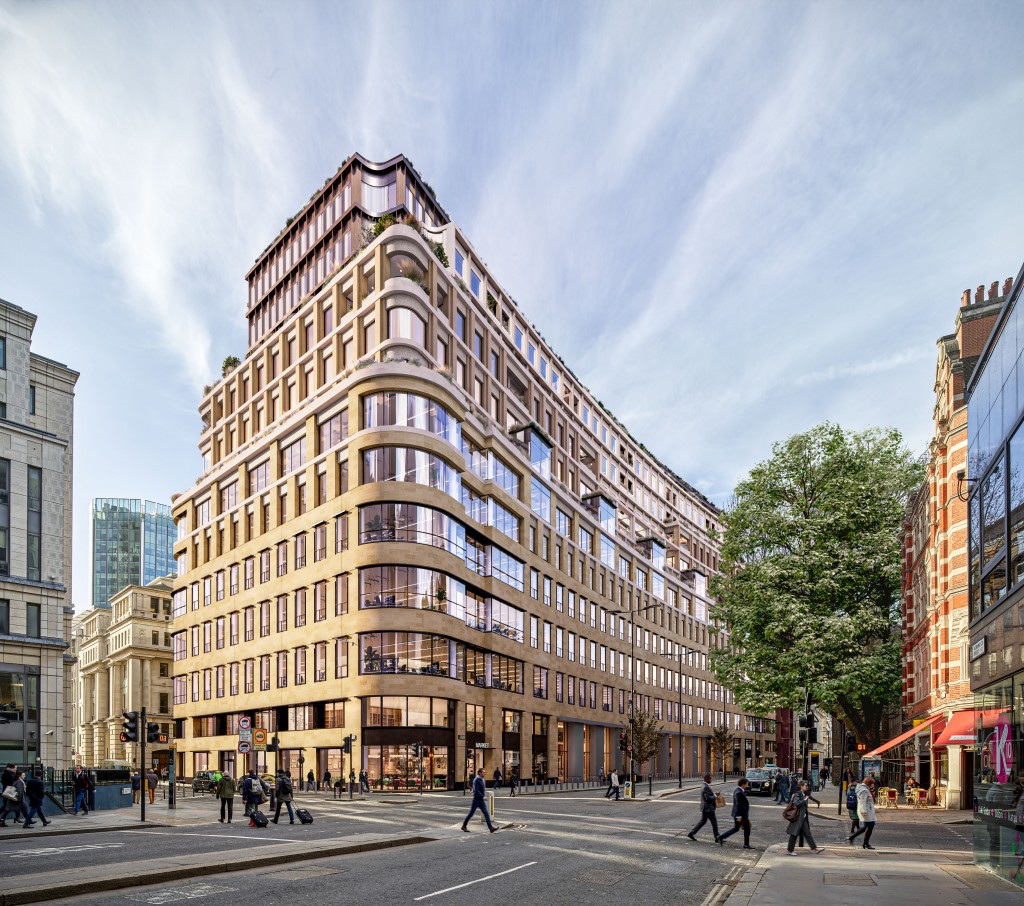
There is plenty of commercial space to reconsider. Figures from the National Property Information Centre showed that Malaysia had 996 shopping complexes providing approximately 187.4 million sq ft of retail space in 2025. Their overall occupancy rate stood at 78.9%, leaving more than one-fifth of the space unoccupied. Not every vacant property is suitable for conversion but the figures explain why landlords may consider occupiers outside the traditional retail model.
More than an empty unit
Dark stores may not need attractive frontage but an empty unit cannot become a fulfilment point simply by adding shelves. Inventories must be replenished regularly, requiring access for vans or trucks. Riders also need somewhere to park their vehicles for those few minutes. Operators carrying chilled or frozen products may need cold rooms, adding to electricity and ventilation requirements. Fresh food also brings considerations involving drainage, waste, hygiene and pest management.
The layout of the unit can also affect how efficiently a dark store operates. Higher ceilings provide more room for vertical racks while clear aisles make it easier for workers to move between the shelves and packing area. A reliable internet connection is also equally important as orders and stock levels are managed online.
Fire protection and emergency access are other important considerations. Some retail lots deep inside shopping centres may not be suitable because they lack direct loading access. Mall operating hours could also limit when riders collect orders. Business estate managers must therefore examine the estate’s roads, utilities and loading facilities. The cheapest or least visible unit may not be the most practical one.
Spillovers and replenishment trucks
Despite a dark store having no walk-in customers, there have been instances of motorbikes outside spilling onto internal roads. Replenishment vehicles may also add to the congestion during busy periods. This is especially difficult in older estates where parking is limited. Motorcycle movements, late deliveries and refrigeration equipment could also disturb neighbouring occupants. So a property beside a service entrance or loading area may therefore be more appropriate than one sharing a narrow frontage with restaurants or offices.
Dark stores also blur the distinction between retail and logistics property. Their goods are sold directly to consumers but the premises function more like compact warehouses. This overlap raises questions about approved use, licensing and property classification. Landlords and operators must establish whether the intended activities are permitted while estate management rules may impose conditions involving access, parking, loading and waste management.
Preparing estates for the next delivery
Dark stores are unlikely to replace conventional shops. Many supermarkets, pharmacies and convenience stores already fulfil online orders from existing outlets, allowing one property to serve both physical and digital customers. However, faster delivery is bringing inventories closer to consumers. Future business estates could feature proper flexible units, rider bays, service roads and loading areas that support light logistics activities.
Older estates may also be able to reposition certain secondary units where the infrastructure, access and approvals are adequate. The opportunity is not simply to fill an empty property. It is to accommodate a new generation of retail-logistics tenants without allowing convenience for online customers to become an inconvenience for everyone next door.
Stay ahead of the crowd and enjoy fresh insights on real estate, property development and lifestyle trends when you subscribe to our newsletter and follow us on social media.