By Joseph Wong
For a selected few who have a strong desire for self-sufficiency and enjoy the great outdoors, the concept of living off the grid has transitioned from a fringe survivalist fantasy to a viable lifestyle choice. In Malaysia, this movement is gaining some traction, driven by a combination of environmental consciousness and the country’s unique geographical layout. While the image of a remote tropical home powered by the sun is idyllic, the transition from a traditional urban dwelling to a self-sustaining homestead involves a complex interplay of engineering, environmental science, and, most importantly, law.
Contrary to popular belief, off-grid living is not a legal grey area in Malaysia but a recognised reality. Currently, approximately 1.5 million people in Malaysia live without direct access to the national power grid, primarily in the deep interiors of Sabah and Sarawak as well as rural pockets of the Peninsula. For these communities, being off-grid is a necessity. In sharp contrast, for a new wave of modern homesteaders, it is a deliberate choice.
Land zoning and building permits
The journey to an off-grid life does not begin with solar panels. It begins at the Land Office. In Peninsula Malaysia, all land is governed by the National Land Code. Before anyone can disconnect from society, they must ensure their lifestyle is compatible with their land title.
Residential living on land zoned for agriculture is common but comes with specific restrictions on the size and type of structures permitted. Regardless of how green or temporary a home might seem, it must adhere to the Uniform Building By-Laws 1984. This means obtaining a Development Order (DO) and building plan approval from the local council.
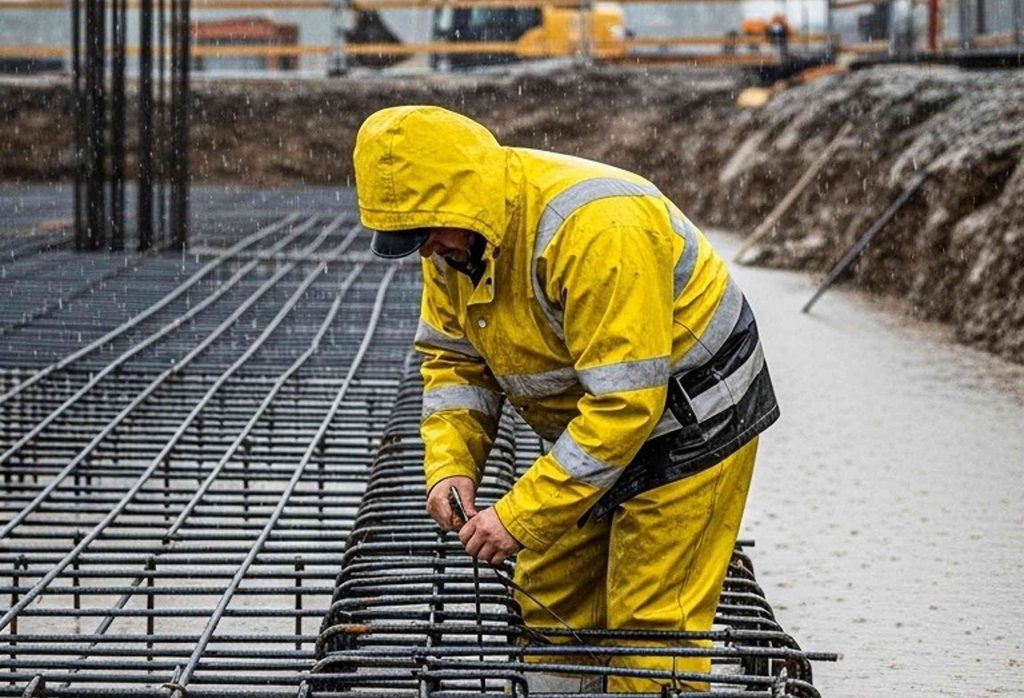
The legality of an off-grid home often hinges on safety. Authorities are less concerned with where your electricity comes from and more concerned with whether the structure is a fire hazard or if it will collapse. To remain legally compliant, the dwelling must meet standard structural safety, ventilation and fire safety requirements.
Energy and power
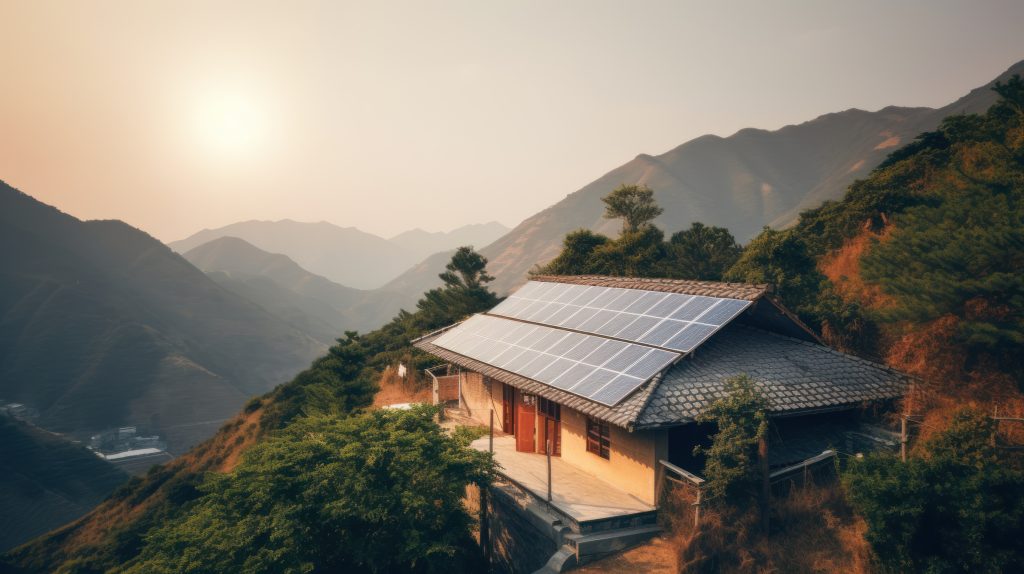
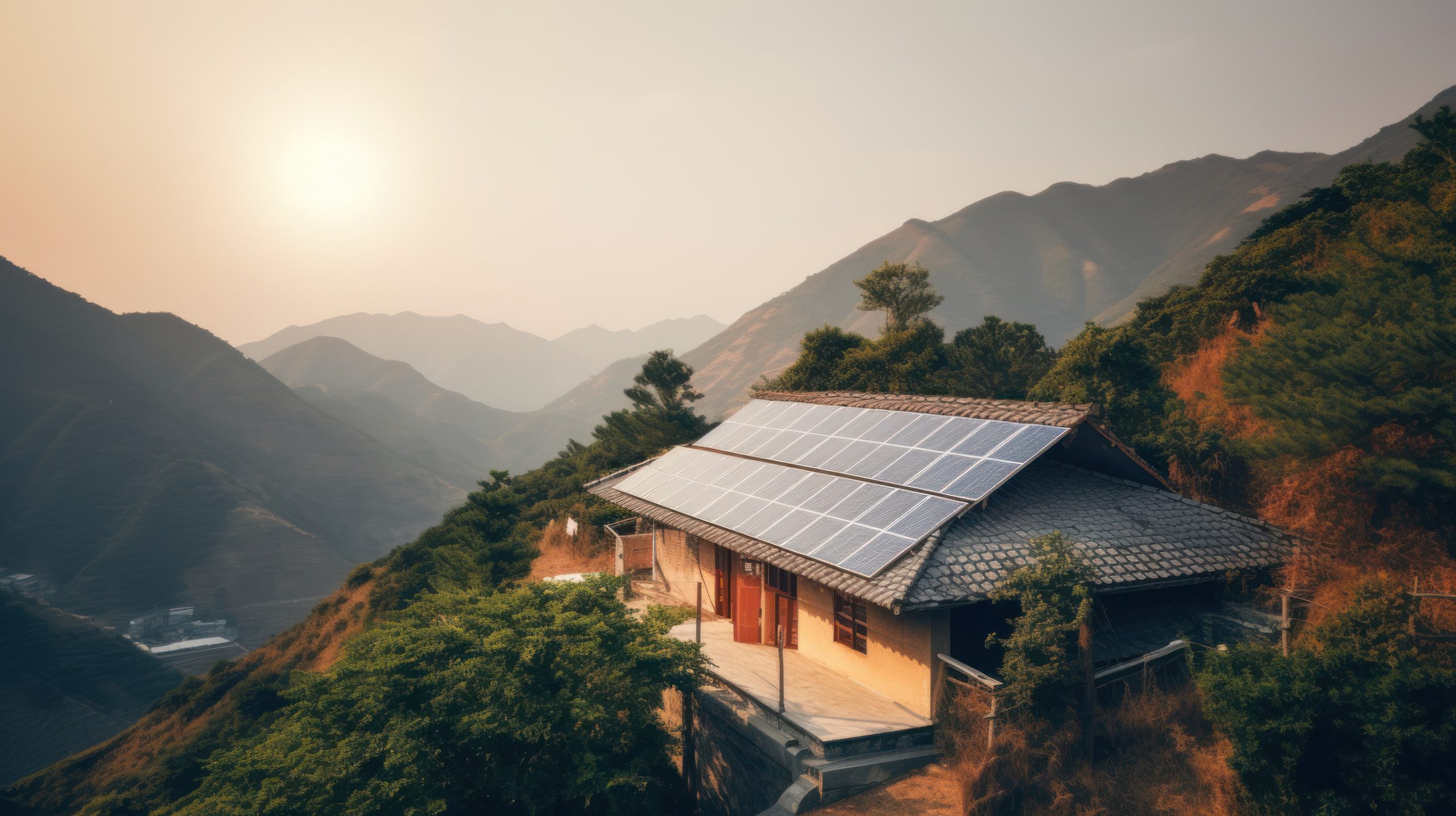
The most iconic pillar of off-grid living is energy independence. In Malaysia, a country that enjoys an average of four to six hours of direct sunlight daily, Solar Photovoltaic (PV) systems are the gold standard.
Legally, the Energy Commission, statutory body established under the Energy Commission Act 2001, regulates electricity generation in Peninsular Malaysia. In East Malaysia, the two regions have their own statutory bodies dealing with energy generation.
The critical distinction for an off-grid homesteader is the Isolated System. If a household’s solar setup is completely islanded, meaning it has no physical connection to the Electrical Utility Company (EUC) grid like Tenaga Nasional Bhd (TNB) or Sarawak Energy, it operates with significant freedom.
Unlike grid-tied systems used in Net Energy Metering (NEM), isolated systems do not require the same level of bureaucratic synchronisation with the utility provider. However, the installation must still be performed by a competent, licensed wireman or engineer. Using sub-standard batteries or faulty wiring does not just risk one’s investment, it risks legal liability if a fire spreads to neighbouring properties.
Sewage and waste
In the city, we take the flush-and-forget mentality for granted. Off-grid, home owners become the managers of their own utilities. This is where many aspiring off-gridders run into legal trouble. You cannot simply discharge greywater or sewage into a nearby stream or the ground. Malaysia’s Environmental Quality Act is strict regarding the pollution of inland waters. A lawful off-grid home must utilise an approved septic system or a sophisticated composting toilet that meets local sanitation standards. Proper waste management is the difference between a sustainable homestead and a public health hazard.
Rainwater harvesting
This is highly encouraged in Malaysia. With the country’s high annual rainfall, a properly designed harvesting system can provide enough water for washing, irrigation and, with high-level filtration, drinking. Legally, there are no restrictions on collecting what falls from the sky on one’s property, provided the storage tanks do not become breeding grounds for mosquitoes, which would violate the Health Department’s regulations regarding Dengue prevention.
Can Malaysia catch the trend?
Interestingly, there is a growing niche of high-net-worth individuals looking to build luxury off-grid estates that offer security and independence from the urban chokepoints of food and energy inflation. There are even entrepreneurs offering short-stay off-grid holiday homes. This trend represents a unique opportunity for Malaysia’s property and construction sectors. There is a potential market for turnkey off-grid solutions. Businesses that specialise in high-tech, self-sustaining homes that comply with all Malaysian regulations stand to gain from being the pioneers of this trend. This is also where the lines become blurred, as the conversation shifts from a genuine desire for an off-grid lifestyle to entrepreneurs exploiting grey areas for quick profits from the short-stay vacation market.
After all, the whole idea of living off-grid is partially enticed by the thought of no more utility bills. However, just as the government faces a conundrum with oil subsidies and revenue, the homesteader faces a capital expenditure (CAPEX) versus operational expenditure (OPEX) trade-off.
- CAPEX: A robust lithium-battery backup and solar array capable of running air conditioning in Malaysia’s humidity can cost upwards of RM50,000 to RM100,000.
- OPEX: While monthly bills are zero, the sinking fund for equipment replacement (inverters every 10 years, batteries every 15) is a cost that must be factored into the long-term feasibility of the home.
With certainty, off-grid living in Malaysia is a legally viable, albeit technically demanding, path. However, it requires a deep respect for the land and a meticulous approach to local regulations.
For those willing to navigate the permits and the technology, the message is clear. The grid is optional but excellence is mandatory. In the heart of the Malaysian tropics, the sun is shining, the rain is falling and the law is on the side of those who build responsibly.
This article was first published in StarBiz 7.
Stay ahead of the crowd and enjoy fresh insights on real estate, property development and lifestyle trends when you subscribe to our newsletter and follow us on social media.