

By Joseph Wong
Malaysia’s residential real estate sector is witnessing an unprecedented surge in interest from buyers from China, driven by a profound evolution in buyer profiles. Offshore speculative investors who once dominated cross-border sales with large-scale off-plan purchases have largely stepped aside. In their place is a new generation of end-user buyers who are affluent families, expatriates and high-net-worth individuals intent on establishing primary or secondary residences in the country.
According to data released by property technology group Juwai IQI, Chinese demand for Malaysian homes reached a decade high in the first half of this year. Malaysia has ascended to become the fourth most popular global destination for Chinese residential property buyers, jumping from sixth position in 2025 and seventh from 2022 through 2024.
"Malaysia’s share of all Chinese overseas buying enquiries has climbed significantly," noted Juwai IQI co-founder and group chief executive officer Kashif Ansari. "Just 2.8% of global enquiries by Chinese home buyers went to Malaysia in 2024. That number jumped to 4.5% in 2025. In the first half of this year, Malaysia’s share hit a new high of 7.3%. Never before in this decade has Malaysia been so popular with buyers from China."
In the global rankings for Chinese buyers, Malaysia now trails only Thailand, Australia and the UK, having successfully leapfrogged major established markets including the fifth-ranked United States and popular European golden visa destinations like Greece. Within Southeast Asia, Malaysia holds a firm second position behind Thailand, having steadily outpaced regional peers like Vietnam.
China's domestic real estate woes
To understand the record momentum in Malaysia, one must look at the structural pressures within mainland China’s property market. The domestic downturn, ignited in 2021 by liquidity crises among major developers such as Evergrande and Country Garden, had fundamentally altered wealth-preservation strategies.
In major Chinese cities, residential property prices fell by 8.57% year-on-year in 2024, with new-build transaction volumes contracting by 14.1%. By early 2025, unsold residential inventory across China reached 4537.85 million sq ft which is the highest level since 2018. With domestic market stabilisation not anticipated until late 2026, Chinese high-net-worth individuals (HNWIs) and ultra-high-net-worth individuals (UHNWIs) have actively sought to diversify their wealth into stable, yield-generating international real estate.
Simultaneously, the motivations driving cross-border property purchases have undergone a permanent shift away from traditional emigration and speculation toward lifestyle-driven end-use. Emigration as a primary goal dropped sharply from 11.0% of buyers in 2019 to just 3.0% in recent trends while purchases motivated by lifestyle and family use surged to 94.0%, up from a historically mixed, speculative focus. Concurrently, the buyer demographic evolved from middle-class buyers purchasing off-plan properties to UHNWIs and genuine end-users seeking personal residences.
While middle-class Chinese capital controls and economic headwinds have muted mass-market speculative buying overseas, wealthy buyers are deploying equity into markets that offer tangible lifestyle, healthcare, and educational upgrades.
Higher-tier transaction volumes
Market statistics from Malaysia’s National Property Information Centre (Napic) closely reflect the high-end purchasing activity highlighted by Juwai IQI. In the first quarter of the year, the premium segment, comprising residential properties valued at RM1mil and above, was the sole price bracket to record positive transaction growth, expanding by 1.8% year-on-year. Properties priced above RM1mil accounted for 9.2% of all residential transactions in Q1, up from 8.3% in 2025 and 7.9% in 2024.
Napic data confirms that mainland Chinese citizens are the primary foreign investor demographic in Malaysian housing. Investing RM835mil in residential property over a six-month period, Chinese buyers represented approximately 51% of total foreign capital deployed into Malaysian housing, outpacing traditional cross-border capital from Singapore. On an annualised basis, this capital flow represents over RM1.6bil in direct residential investment.
Education, lifestyle and established expat hubs
The modern Chinese home buyer in Malaysia is predominantly motivated by lifestyle factors and educational access for their children. China’s hyper-competitive national academic system (gaokao) has led many parents to seek holistic, English-medium learning environments that provide clear pathways to top-tier global universities.
Malaysia’s unique proposition, offering affordable, high-quality international schools, a low cost of living, cultural alignment and widespread English usage, makes it a natural sanctuary for family relocation.
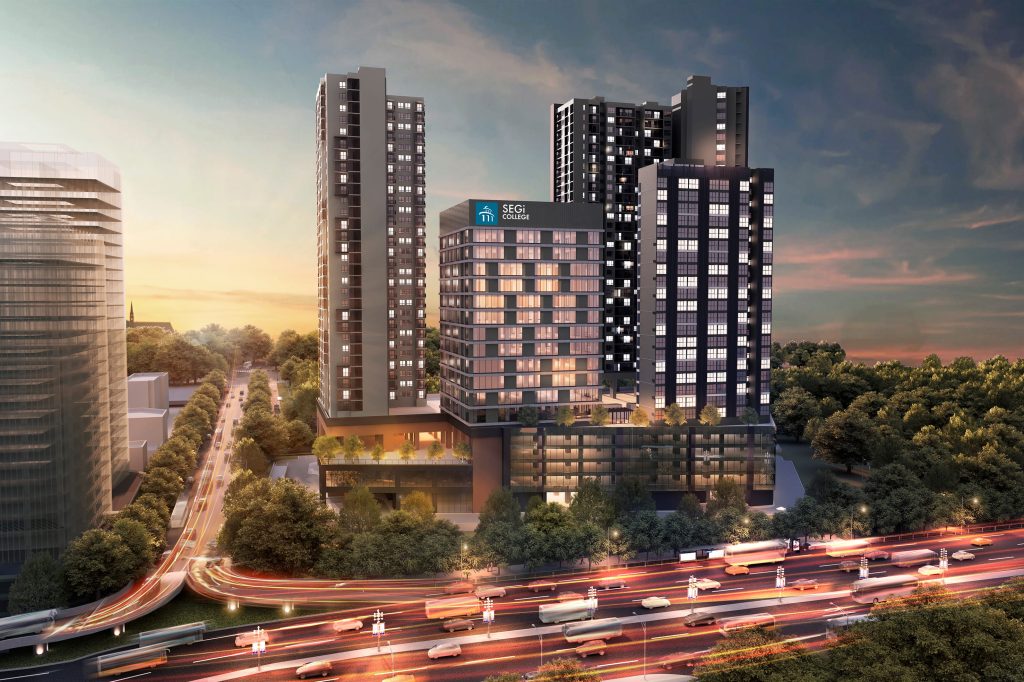
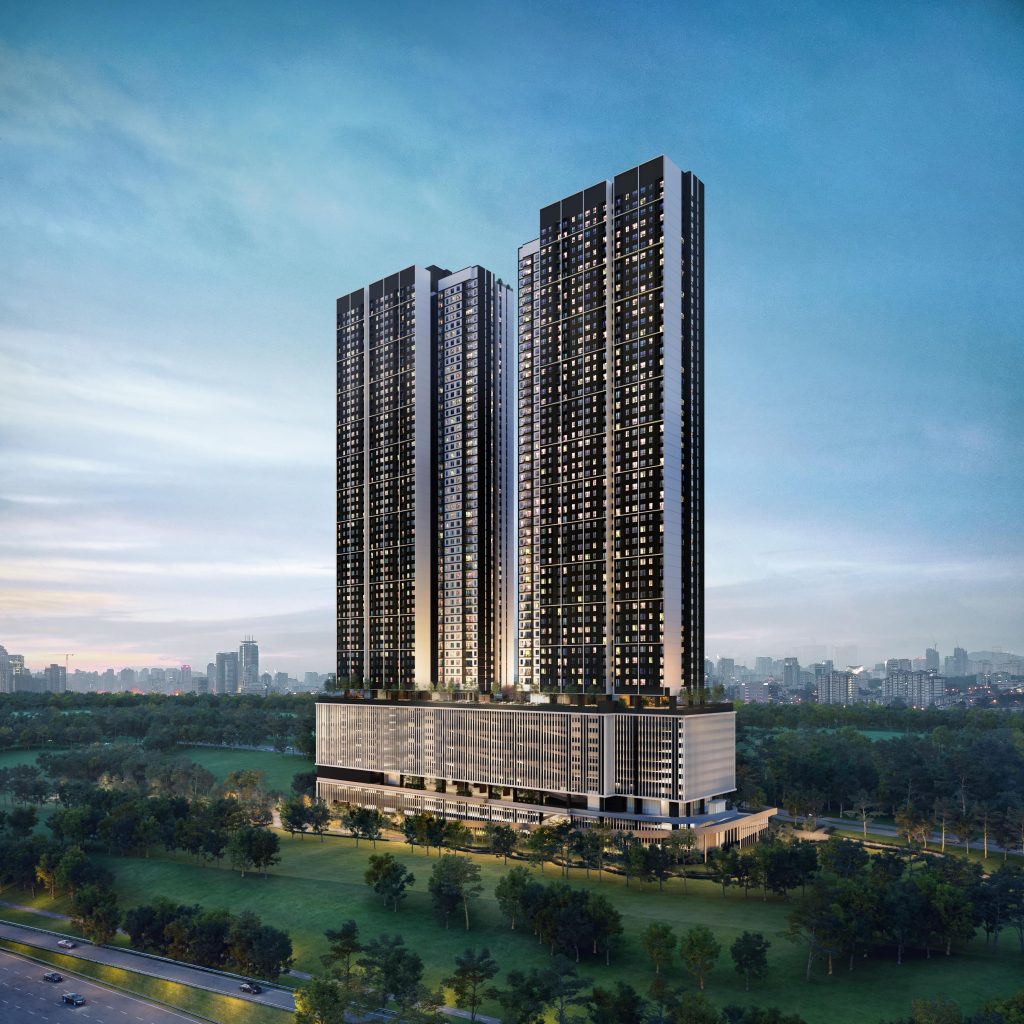
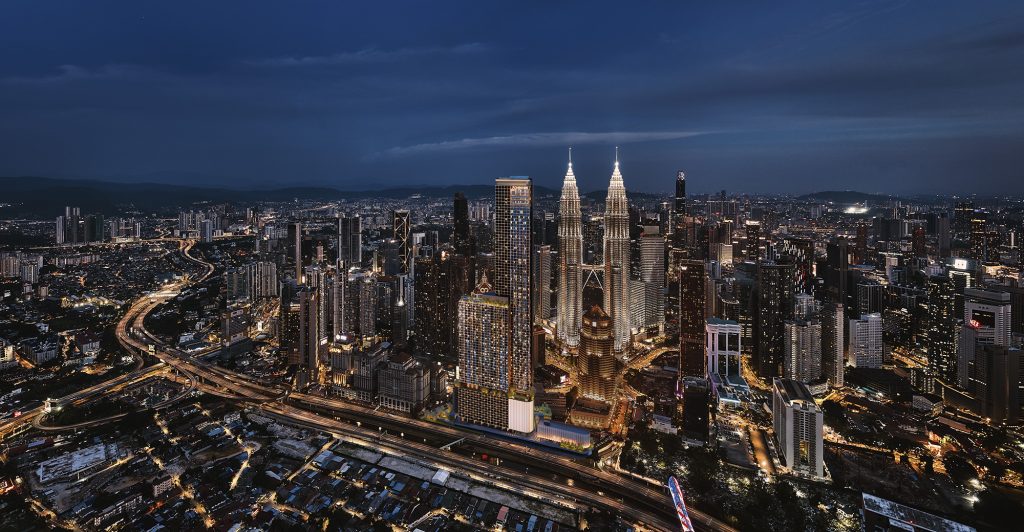
Rather than buying unbuilt units in isolated mega-developments, today’s Chinese buyers are gravitating toward established, amenity-rich neighbourhoods. Established residential enclaves such as Mont Kiara and Desa ParkCity in Kuala Lumpur, alongside premium landed and high-rise developments in Penang, top the list due to their proximity to international schools, medical centres and retail amenities.
The MM2H catalyst
Reinforcing this residential migration is the resurgent popularity of the Malaysia My Second Home (MM2H) residency program. Despite public misconceptions that MM2H interest had cooled, revised program tiers and streamlined processing frameworks have driven a massive rebound in approvals.
Chinese nationals account for more than 50% of all new MM2H visa applications. Last year alone, the program approved 9,038 total participants, generating an estimated RM3.875bil in economic value for Malaysia, including RM1.512bil in direct real estate acquisitions tied to visa requirements.
With the MM2H program now approving 67% more participants annually than it did across three prior years combined (2021–2023), the residency pathway provides a stable framework for long-term residency and property ownership.
As global capital diversifies away from volatile domestic markets and navigating Western property markets becomes more complex due to regulatory hurdles, Malaysia’s value proposition stands out.
"We expect Chinese buyers’ momentum to continue through the second half of the year," concluded Ansari. "Malaysia offers good schools, an attractive lifestyle, an admirable culture and a predictable path to residency through MM2H. Those factors will keep drawing families and investment to the country."
Driven by demographic fundamentals rather than short-term financial speculation, China’s renewed engagement with Malaysian real estate marks a sustainable, high-value chapter for the nation's property sector.
This article was first published in StarBiz 7.
Stay ahead of the crowd and enjoy fresh insights on real estate, property development and lifestyle trends when you subscribe to our newsletter and follow us on social media.