Multi-generational living used to focus on ageing parents. Today, developers are designing homes for a different reality. They are thinking about working adult children who need their own space, privacy and independence without leaving home. This change is subtle but it reflects a broader shift in both culture and economics. For many Malaysian families, the adult child who moved back during the pandemic or never left at all has become a long-term fixture in the household. What started as a temporary arrangement has quietly reshaped how many families live.
Population and dependency
Malaysia’s population is gradually ageing. In 2025, the country’s median age rose to 31.3 years, up from 30.9 in 2024, reflecting an overall shift towards an older demographic. According to the Statistics Department, the working-class population aged 15 to 64 years made up 70.4% of the total, marking a slight increase from 70.2% in 2024. The share of Malaysians aged 65 and above rose 8% in 2025 compared to 7.6%, a year earlier. At the same time, the proportion of children aged 0 to 14 declined to 21.6%, compared with 22.2% in 2024.
These shifts are clearer when viewed through dependency ratios which measure how many children and elderly people are supported by every 100 working-age individuals. The total dependency ratio eased slightly to 42.1 in 2025 from 42.5 in 2024. The decline was mainly due to fewer children, as the youth dependency ratio fell to 30.7 from 31.6. However, the old-age dependency ratio rose to 11.4 from 10.9, highlighting the growing number of elderly Malaysians.
Overall, the data points to a gradual demographic shift, with fewer young people and more seniors shaping the country’s future. But demographics alone do not explain what is happening in Malaysia’s housing market. Developers are responding to real-life pressures on families, from the cost of urban living to cultural expectations and financial realities. Homes are being redesigned to accommodate adult children who stay at home longer than previous generations, balancing independence with shared family life.
Beyond the conventional
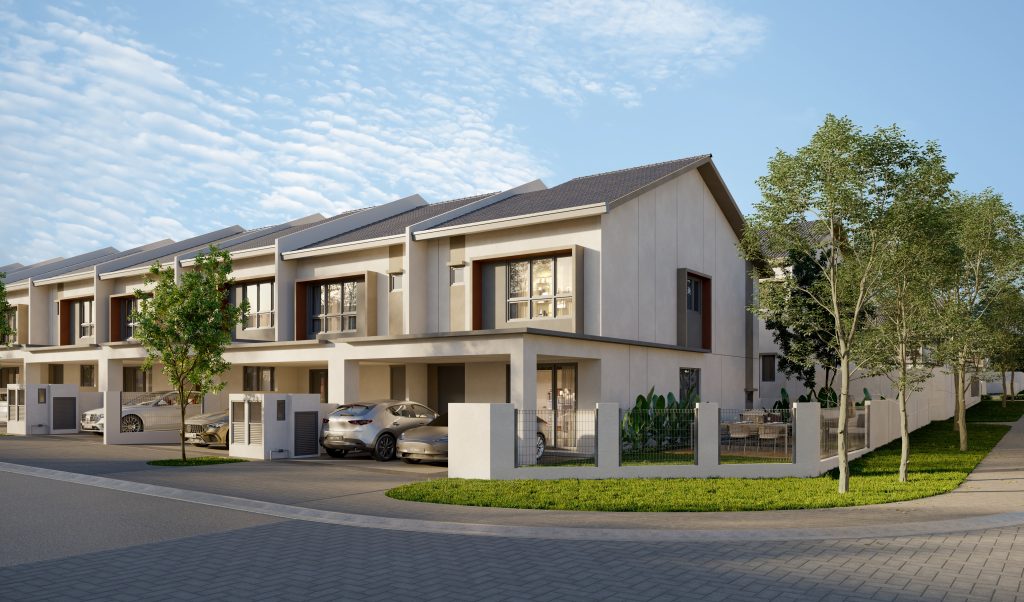
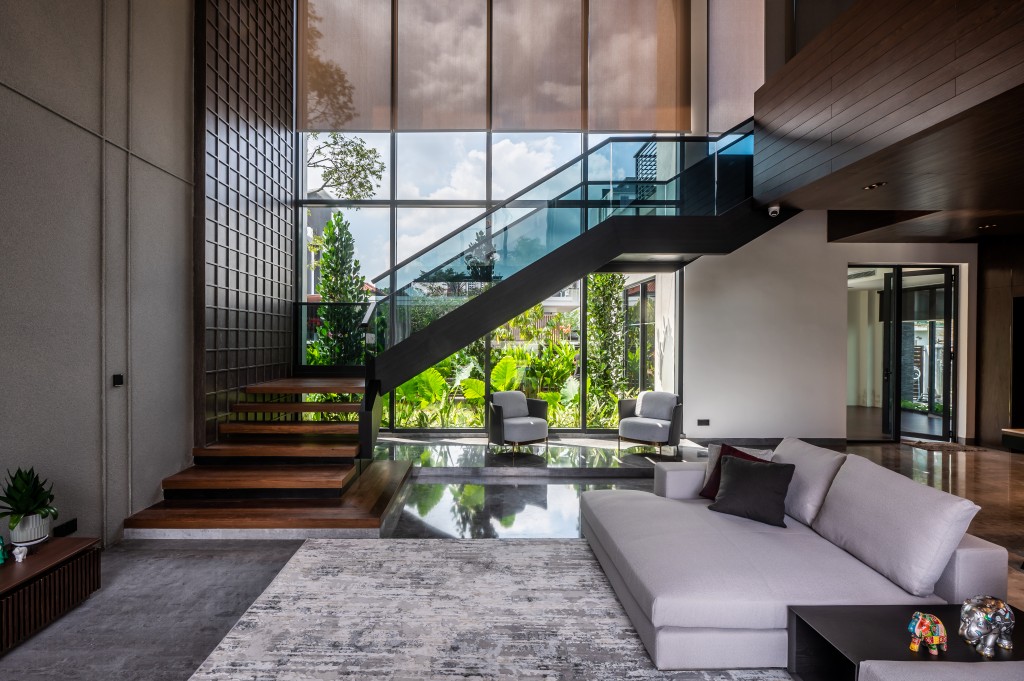
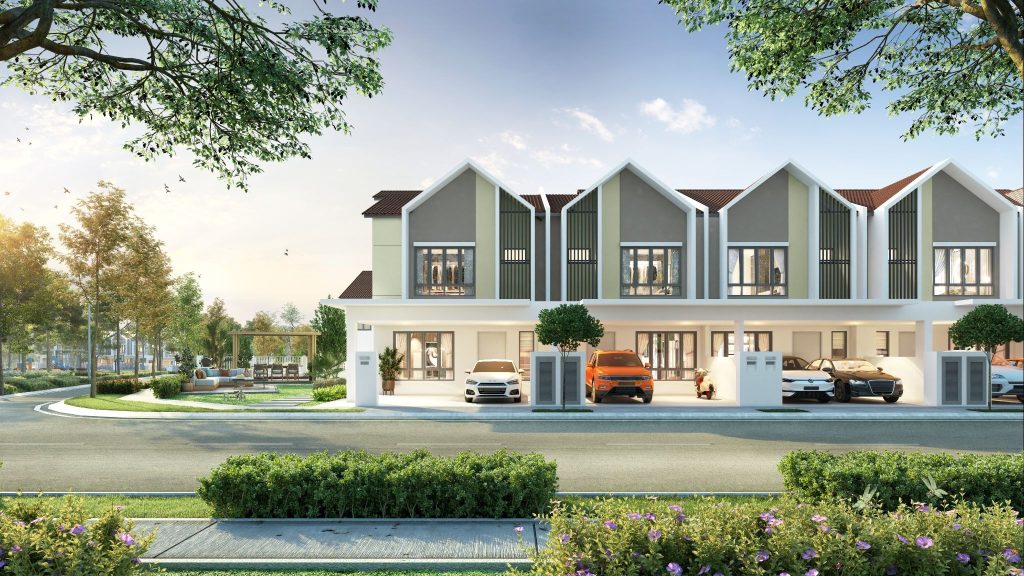
Across urban townships and high-rise projects, subtle changes are emerging. More developers are introducing dual entrances, so one part of a home can function almost as a self-contained unit. Others include lockable studio spaces or extra master bedrooms that allow adult children to have their own privacy while remaining under the same roof. Splitting utilities and separating meters make it easier for families to manage expenses independently.
These features do not exactly get marketed as homes for adult children. They are described as flexible layouts, rental-friendly spaces or multi-generational designs. But the conventional is shifting because developers have been paying attention to how Malaysians are actually living now.
Important considerations
Affordability is a key driver. While the majority of Malaysians are of working age, wages and property prices do not always move at the same pace. For young adults in urban centres, staying at home offers financial breathing room. It allows them to save, manage debt or invest in their careers without the immediate pressure of rent or mortgage repayments.
Families are also rethinking how they share responsibilities. Pooling resources can make sense when it comes to bills, mortgage payments and caregiving. Living under one roof makes it easier to support both children and ageing parents, especially when care for seniors becomes a long-term consideration.
Privacy has become a priority in these multi-generational households. Adult children working full-time or running businesses from home need separation from the main household flow. Developers are responding with layouts that allow different members of the family to coexist without feeling cramped. Flexible partitions, additional bathrooms that can accommodate wheelchairs and private lounge areas are becoming increasingly common.
The shift is not just about bedrooms and walls. Multi-generational living has always been accepted in Malaysia. What is different now is the age of those who remain in the family home. Adult children in their twenties and thirties are staying longer, not because of cultural obligation alone but often because of financial necessity and lifestyle choice.
Developers definitely see an opportunity in this trend. Homes with dual entrances, additional suites and flexible layouts appeal to buyers who need privacy without leaving the family unit. Some projects even position these spaces as potential rental units, allowing adult children or parents to generate income while staying on the property. These are actually strategic moves that align with a changing market while giving families better options.
Overall, the economic pressures are real. Urban property prices continue to rise faster than wages in many cities, making independent living increasingly difficult. Renting or buying a small apartment can be expensive and commuting adds both time and cost. For many young Malaysians, staying with family becomes the most viable option and developers are adapting their designs accordingly.
Building for today’s families
For developers, this has long-term implications. Townships and high-rise projects need to accommodate higher adult occupancy per unit. Shared facilities, parking, utilities and common areas must reflect these changing household structures. Homes that were once designed solely around typical families back then are now being reimagined to balance independence and togetherness under one roof.
Design choices now often include semi-private suites or flexible partitions that can transform shared spaces into independent living areas. Even mid-market projects are promoting the idea of independent living within a shared home as a selling point. It is an acknowledgement that the modern Malaysian household is evolving quietly but very decisively.
The implications extend beyond design. Socially, families are negotiating privacy, independence and intergenerational support in ways that were very uncommon a decade ago. Financially, households are pooling resources to manage costs more efficiently. Culturally, staying at home longer is increasingly seen as practical rather than a failure to leave the nest.
Whether this trend will persist depends on multiple factors. If wages grow and housing affordability improves, younger adults may once again seek independent living earlier. If economic pressures continue or if caregiving needs expand with an ageing population, multi-generational living may become the default rather than the exception.
Families are living differently and housing is evolving with them. Developers are responding not with dramatic campaigns but with practical solutions. Benefits like extra bedrooms, flexible partitions, dual entrances and separate utilities are fortunately being more and more included at inception.
It is a shift that is subtle but significant. Homes are being designed for the children who never moved out and in doing so, they are reflecting a changing society technically in transition where financial pressures, cultural norms and ageing demographics converge under the same roof.
This article was first published in StarBiz7.
Stay ahead of the crowd and enjoy fresh insights on real estate, property development and lifestyle trends when you subscribe to our newsletter and follow us on social media.