Malaysia's mountain developments have come a long way from colonial hill station
Malaysia's mountains have long captured the imagination of developers. Once prized for their cool climate and scenic landscapes, the country's highlands have evolved from quiet colonial retreats into thriving tourism destinations, full-fledged resorts and bustling townships that even have government offices.
But while modern engineering has made it possible to build where previous generations could not, experts say the biggest challenge today is no longer conquering the terrain. Instead, it is striking the right balance between development, environmental stewardship and long-term resilience.
Long before Malaysia's mountain peaks became part and parcel with large-scale tourism developments, hill stations such as Penang Hill, Bukit Larut, Fraser's Hill and Cameron Highlands were established as escapes from the tropical heat during the colonial era.
Unlike today's mountain destinations however, these early developments were actually never intended to accommodate hundreds of thousands of visitors. Their purpose focused more on the practical side like providing cooler climates for British administrators, healing facilities and small communities surrounded by cool forests.
Building on elevated terrain during that period was no easy feat. Without modern excavation equipment or geotechnical engineering, constructing roads and transporting building materials up steep slopes was a slow and labour-intensive process. Narrow winding roads, unpredictable weather and difficult terrain naturally limited both the pace and scale of developments trying to make their marks.
As a result, most hill stations remained relatively low density. Clusters of colonial bungalows, rest houses, churches and administrative buildings were carefully woven into the landscape, leaving much of the surrounding forests untouched.
From seasonal to year-round cash flow
Following Malaysia’s independence, its aspirations for its highlands began to change. Advances in engineering, coupled with improved transport infrastructure and a growing tourism industry completely transformed mountains from seasonal retreats into year-round economic assets.
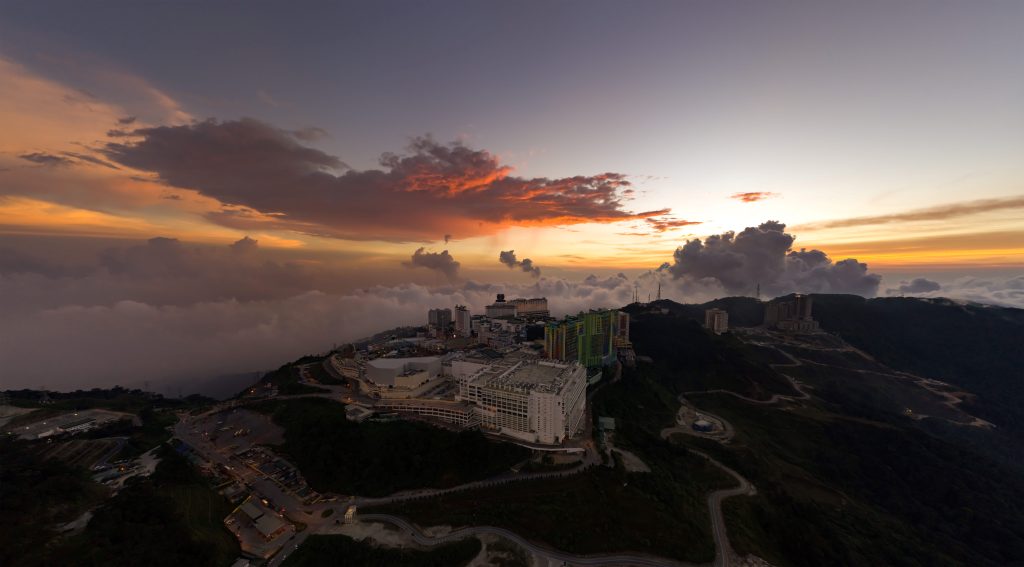
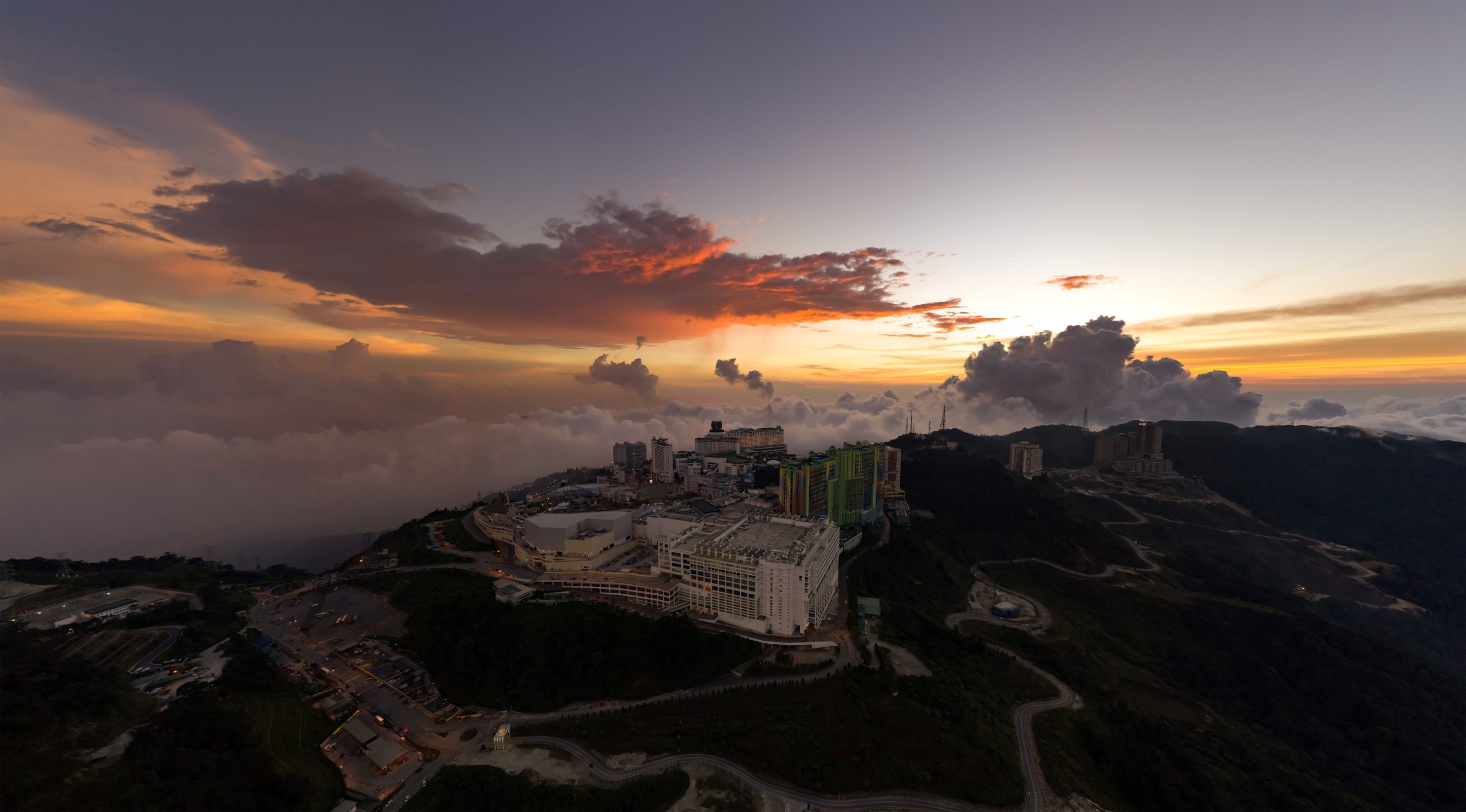
The shift became increasingly evident once these mountain developments expanded beyond accommodation to include hotels, retail outlets and entertainment attractions like casinos. Eventually, integrated townships came into the picture as well. Instead of simply providing an escape from the lowlands, these developments became packaged destinations in their own right.
Elsewhere, developments such as Berjaya Hills adopted themed lifestyle concepts inspired by European villages while Mount Jerai capitalised on its natural scenery to offer a quieter resort experience overlooking the Straits of Malacca.
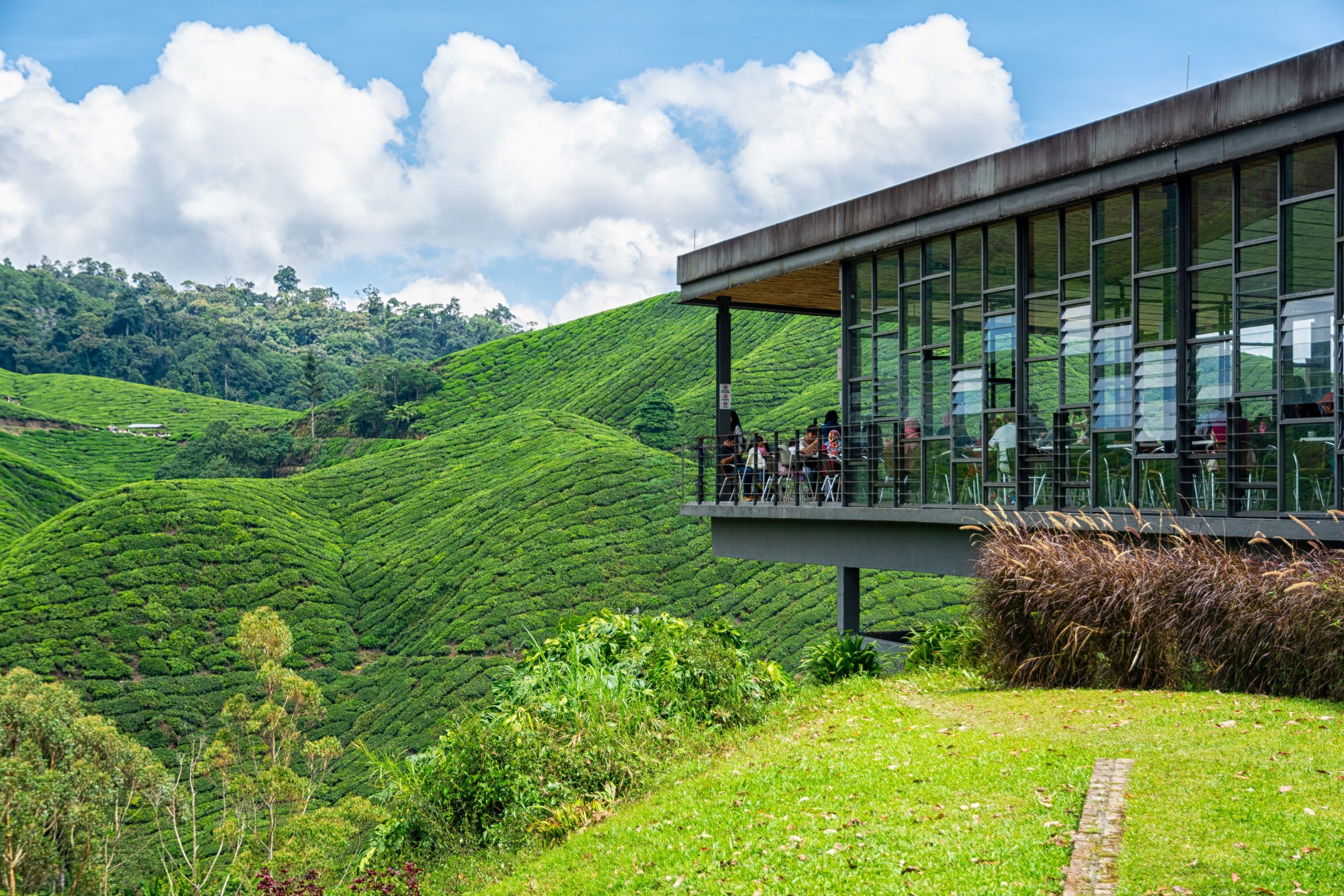
On the other hand, Cameron Highlands evolved along a different path. Rather than becoming a single master-planned resort, it grew into Malaysia's largest highland settlement, combining tourism with tea plantations, vegetable farms and established townships such as Tanah Rata and Brinchang.
Each reflects a different approach to mountain development, demonstrating that there is no one-size-fits-all model for building in elevated landscapes. So it can be said that today's engineering capabilities have undoubtedly expanded what is technically possible.
Sophisticated geotechnical investigations, slope stabilisation systems, retaining structures and digital terrain modelling allow developers to tackle terrain that would once have been considered prohibitively difficult. Yet the conversation surrounding mountain development has become even more complex.
If the biggest obstacle decades ago was reaching the summit, today's challenge lies in ensuring these developments remain safe, sustainable and environmentally responsible long after construction is completed. Malaysia's tropical climate caused even more problems. Intense rainfall can place significant pressure on slopes, making drainage design, erosion control and long-term maintenance just as critical as the initial engineering works. At the same time, mountain ecosystems often serve as important water catchments and biodiversity hotspots, requiring developers to carefully consider the cumulative impact of construction.
Preventing hilltop accidents
As environmental awareness has grown, so too has regulatory oversight because hill-slope developments today typically undergo far more rigorous planning requirements than their historical counterparts, with checkboxes like environmental impact assessments, geotechnical studies and compliance with local authority guidelines becoming key parts of the approval process.
Malaysia's mountainous ambitions have never been deterred by daunting terrain, because every hilltop development has to begin with ambition. Turning steep, once-inaccessible landscapes into thriving communities has required decades of engineering innovation, careful planning and an ever-evolving understanding of the natural environment.
So, can it be said that each generation has faced a different mountain to climb? Earlier developers had to grapple with accessibility and engineering constraints in uncertain territory. Today's developers perform more efficiently but must also contend with environmental stewardship, climate resilience and sustainable planning.
Overall, the focus is shifting away from whether Malaysia can build on mountains to how it should. Early hill stations were shaped by the engineering limitations of their time. Modern mountain developments are increasingly defined by questions of sustainability and resilience. The technology to build higher is getting more and more advanced. So, the greater challenge now is ensuring every new project respects the very landscapes that made Malaysia's mountains worth building on in the first place.
The technology to build higher has never been more advanced. The greater challenge now is building responsibly.
Stay ahead of the crowd and enjoy fresh insights on real estate, property development and lifestyle trends when you subscribe to our newsletter and follow us on social media.