While master planning succeeds at residences, the same need to happen for cities
By: Yip Wai Fong
Malaysia boasts several well-known master-planned developments, so much so that it is easy to take for granted that master planning began before the nation’s 69 years of independence, helping it reach the limelight it enjoys today.
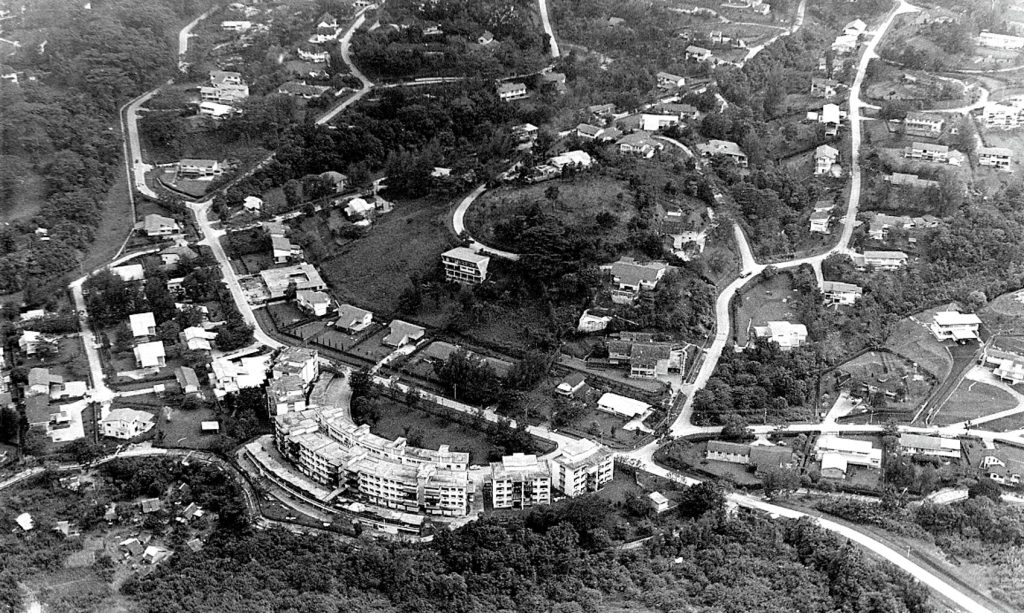
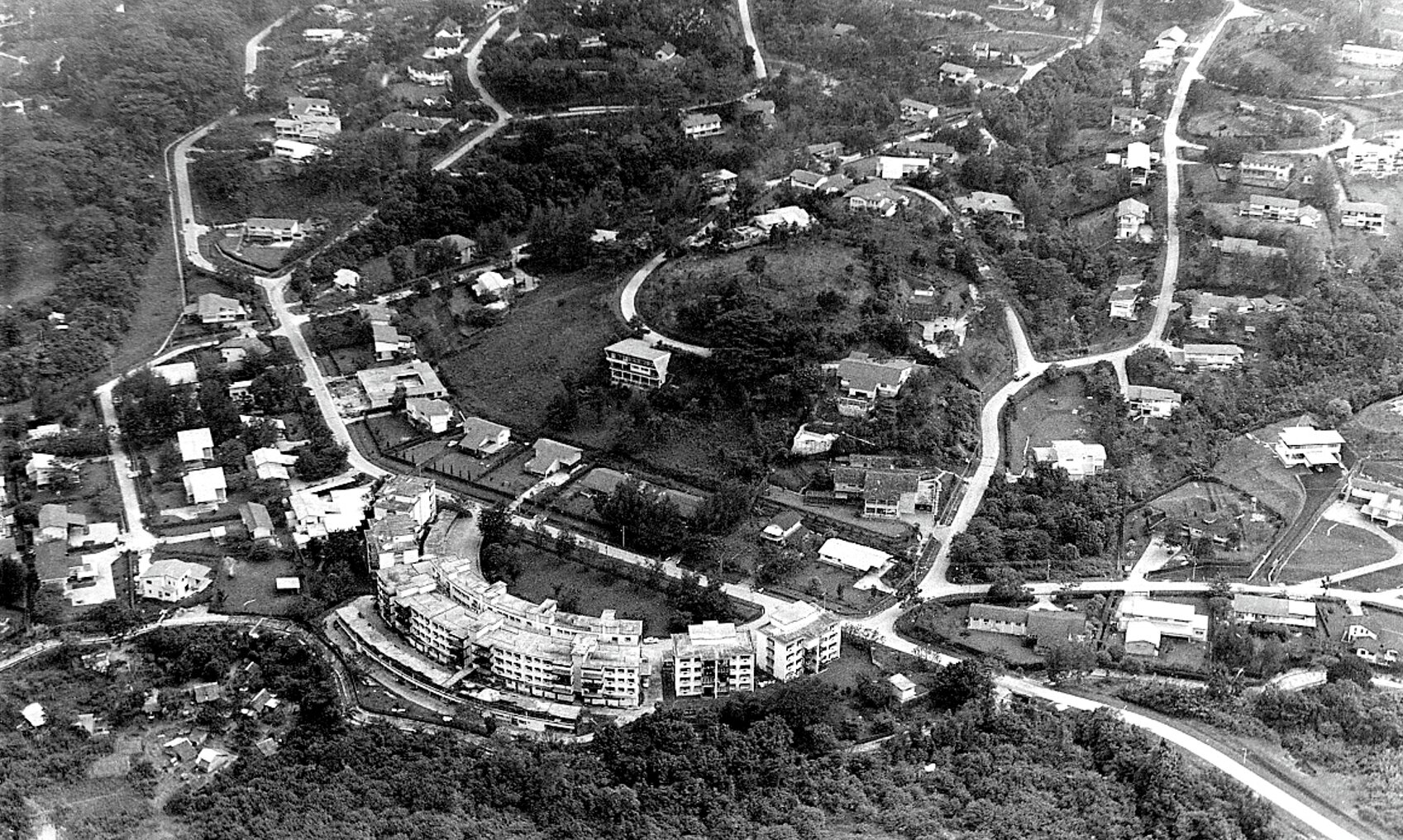
Seemingly ubiquitous, master planning denotes a thoughtfully conceived, well-planned site primed for a vibrant community. Indeed, one of Malaysia’s first known master-planned communities started post-World War II with the intention of creating a first-class residential area. This was how Booty & Edwards sole proprietor and architect Arthur Oakley Coltman described Kenny Hills, which was later renamed Bukit Tunku and became Kuala Lumpur’s oldest prestigious address.
Coltman knew this firsthand because he developed Kenny Hills in a joint venture with Ewart Land Development Company in 1950. To Coltman, Kenny Hills, a former rubber plantation, was a blank canvas for the newly wealthy, though developing it was no less challenging. His firm constructed 8km of roads, laying down water pipes and basic infrastructure for about 150 houses. The 200-acre site was subdivided into lots to cater to the affordability of a growing professional class and senior civil servants looking for land to build homes.
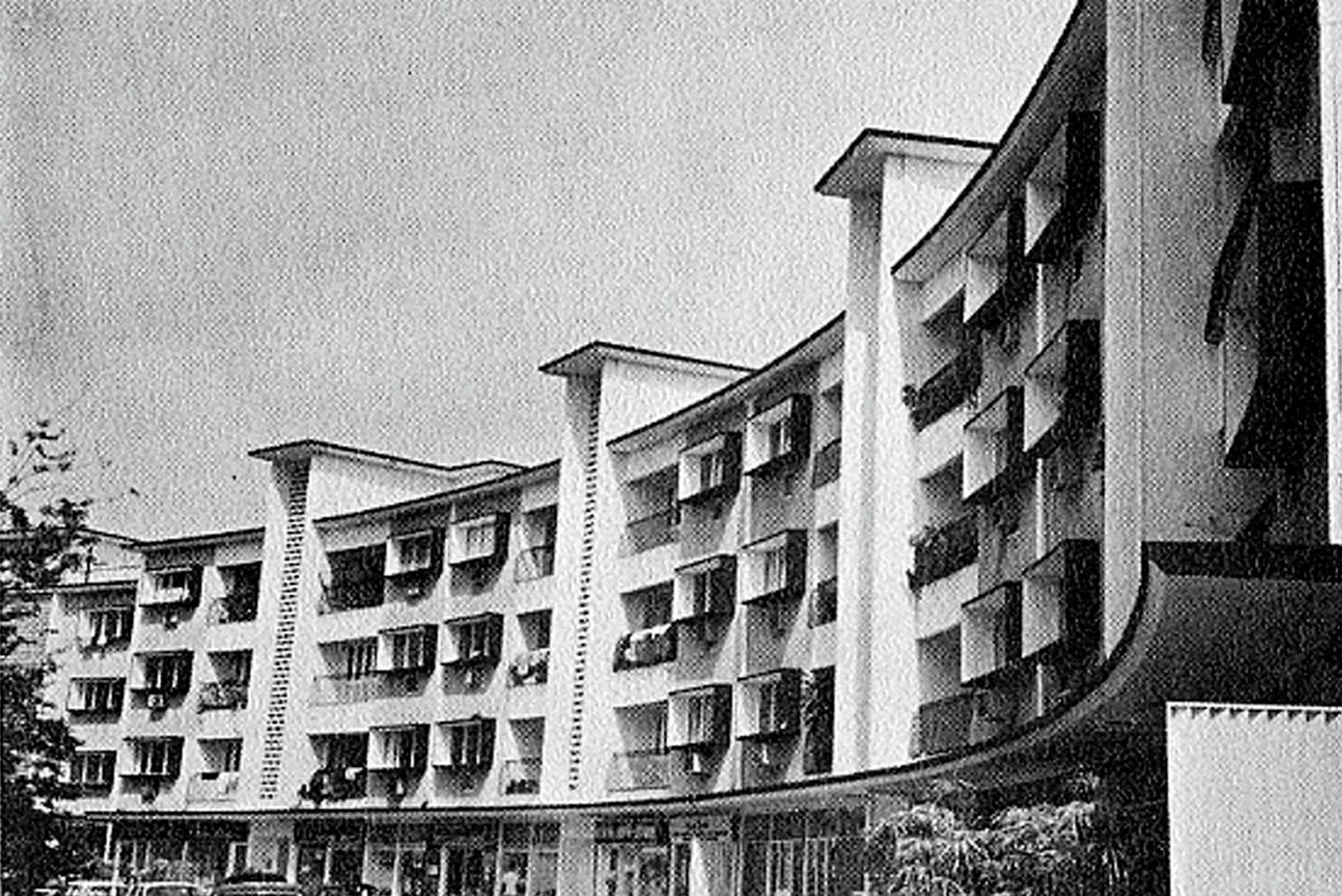
Coltman’s memoir gives sparse details of the Kenny Hills development but it recorded an important concept: curation of building schemes. Now a standard practice at varying levels in master planning, this approach has its roots in Kenny Hills where the developer retained a degree of control over what could be erected on each plot to ensure the area remained a strictly residential neighbourhood. Coltman’s firm would eventually design no fewer than 30 houses and flats for clients in the area, including Coltman’s (completed in 1954) and that of his successor, Kington Loo (completed in 1960). It also designed The Crescent, a series of four-storey apartment blocks integrated with ground-floor retail for Selangor Properties which had rebranded it as The Stories of Taman Tunku.
Booty & Edwards later became BEP Akitek and celebrated its centenary by publishing a monograph that includes Coltman’s memoir. Following the lineage of Kenny Hills, BEP Akitek continued designing master-planned communities such as Sierramas, the first to introduce zero-lot homes, and the celebrated Desa ParkCity, a master plan that established landed strata as a new residential standard in Malaysia.
Master planning vibrant communities
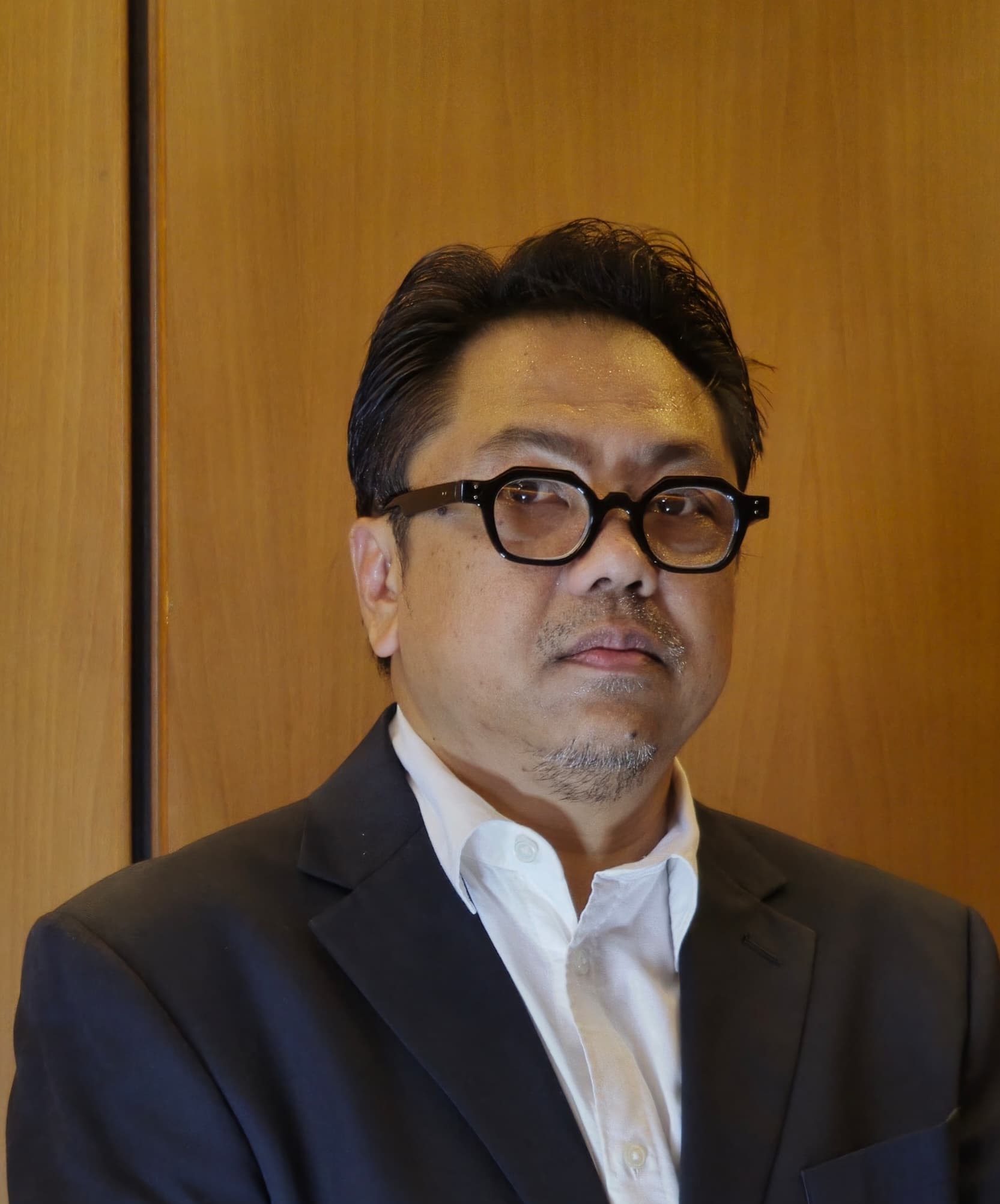
BEP Akitek director Johan Abdul Samad told StarProperty that a good master plan is a meticulous balance of a multitude of elements, taking deep account of end-user needs, the broader community and the environment. In Kenny Hills, Johan noted that the development took painstaking measures to preserve hilly contours whereas in Desa ParkCity, a former quarry site of more than 300 acres was rejuvenated.
“There wasn't a cut-and-fill (at Kenny Hills). Our older directors said every development followed the contours (of the site) and retained many of the native trees. That’s why, especially in the older times, many of the bungalows were on stilts. The challenge back then was how to handle nature carefully,” he said.
“In Desa ParkCity, we had a different canvas. We provided a lot more facilities but we also made sure we don’t overprovide; otherwise, it affects financial feasibility (of the project). We paid attention to details like the composition of the housing, where they are located, the location of the commercial components, the distance between one another, the width of the road and down to the drainage. You don’t see the drain at Desa ParkCity. We hid it to make the area look pleasant. To us, it was a big success. Finding a way to hide the cables and the TNB substation was a big success to us,” he said. “A good master plan is when the concepts remain in use for more than ten years. When it does, you know that people have accepted it and it wasn’t forced upon the area.”
Designing for walkability
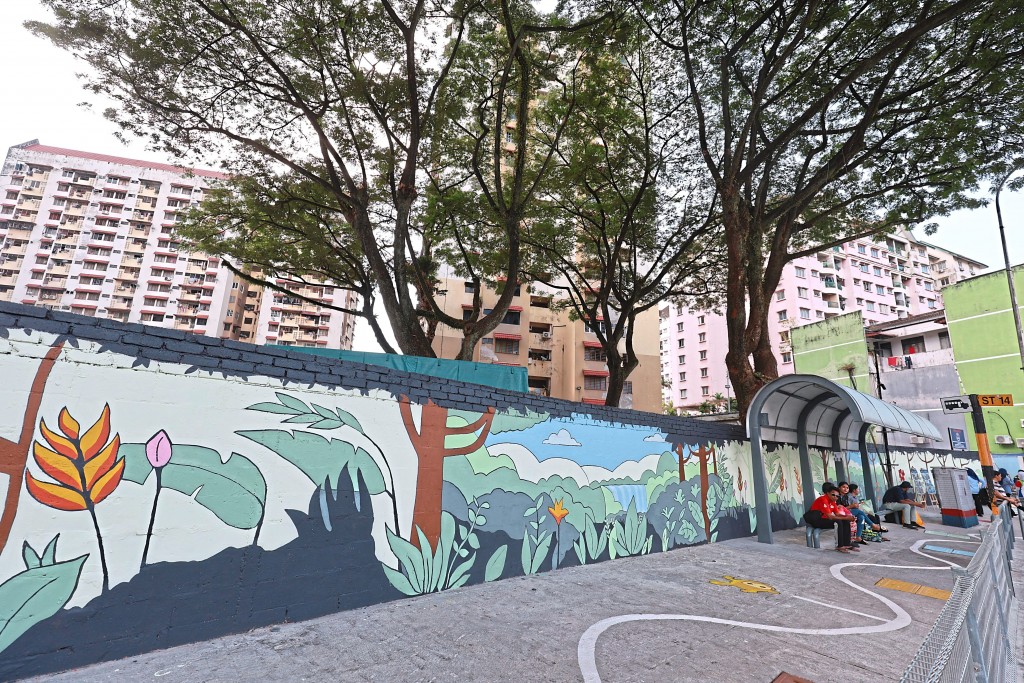
While master planning in Malaysia has achieved great success in the residential realm, there is a growing need for this success to extend into the wider urban environment. As city dwellers demand better integrated environments, walkability and transit-oriented planning are no longer viewed as lifestyle concepts; they are becoming an essential part of urban life.
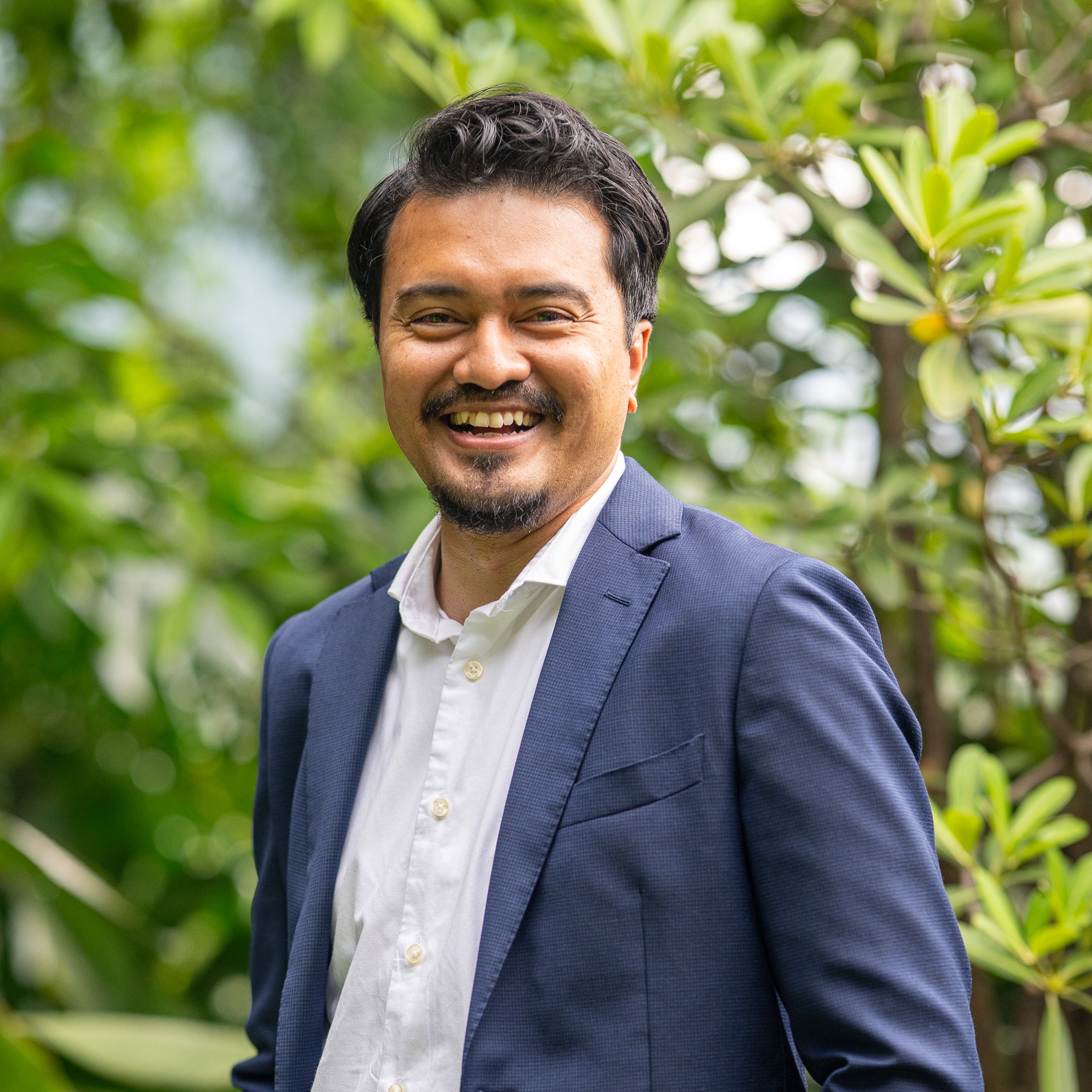
In particular, cultivating a culture of walkability remains challenging. Elevated walkways in urban areas, while solving weather-related issues, pull vitality off the streets, according to GDP Architects director Fathuddin Kamaruddin.
“Elevated walkways work well in certain cities like Tokyo, but in KL, you move people up off the street level and you take away the footfall from the businesses on the street. You see an interesting place, like a pocket park or a retail area or F&B on the street while you are on the elevated walkway and you want to go and take a look, (but) you’ll have to walk to the end of the walkway, get down (and walk back to the site of interest). The seamless connectivity, barrier-free elements aren’t in place on our street (although) we are getting there slowly,” he said.
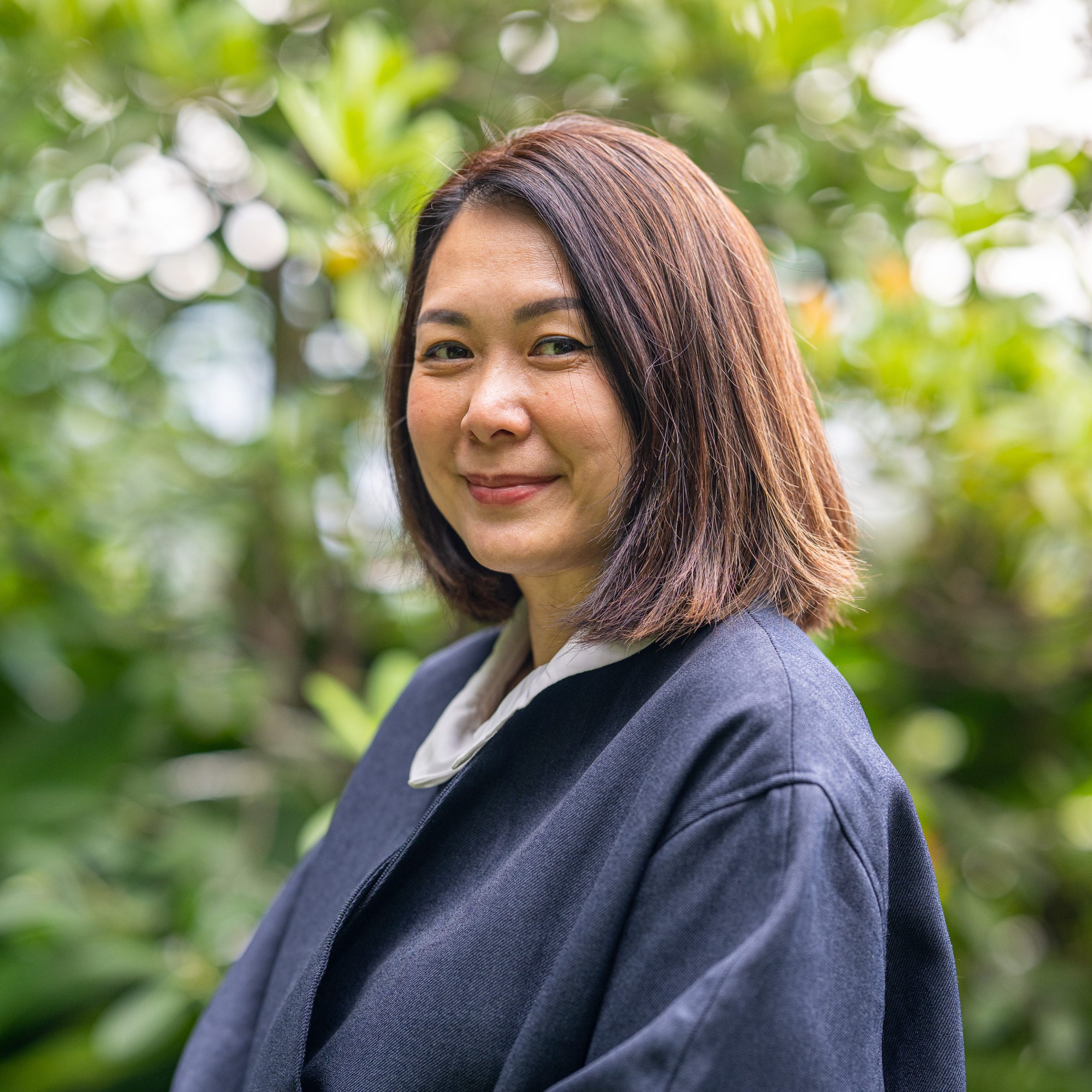
Fathuddin’s colleague, director Loke Chew Ping, added that current policies prioritising motorways should be re-evaluated.
“When we do a large development, we need to submit a TIA (Traffic Impact Assessment) and the reaction of the TIA is always for more roads, because we are going to generate more cars in the development. We really need to question why we react to development this way? This is fundamentally not ideal and without the TIA that says you have enough roads to cater to this amount of cars, you do not get your approval,” she said.
Milestones and future directions
The journey of master planning in Malaysia, which began as a niche discipline serving affluent enclaves like Kenny Hills, now faces the need to address broader urbanisation challenges.
Proactive and human-centric design, Johan noted, directly influences the community habit. This is demonstrated in Desa ParkCity where walkability becomes a preferred way of living.
“We made pedestrian walkways a high priority. We made proper walkways and people became willing to walk. What you see along your walk is not just about having trees and plants but also about what type of plants. You have to show people a better choice is what they need,” he said.
Stay ahead of the crowd and enjoy fresh insights on real estate, property development and lifestyle trends when you subscribe to our newsletter and follow us on social media.