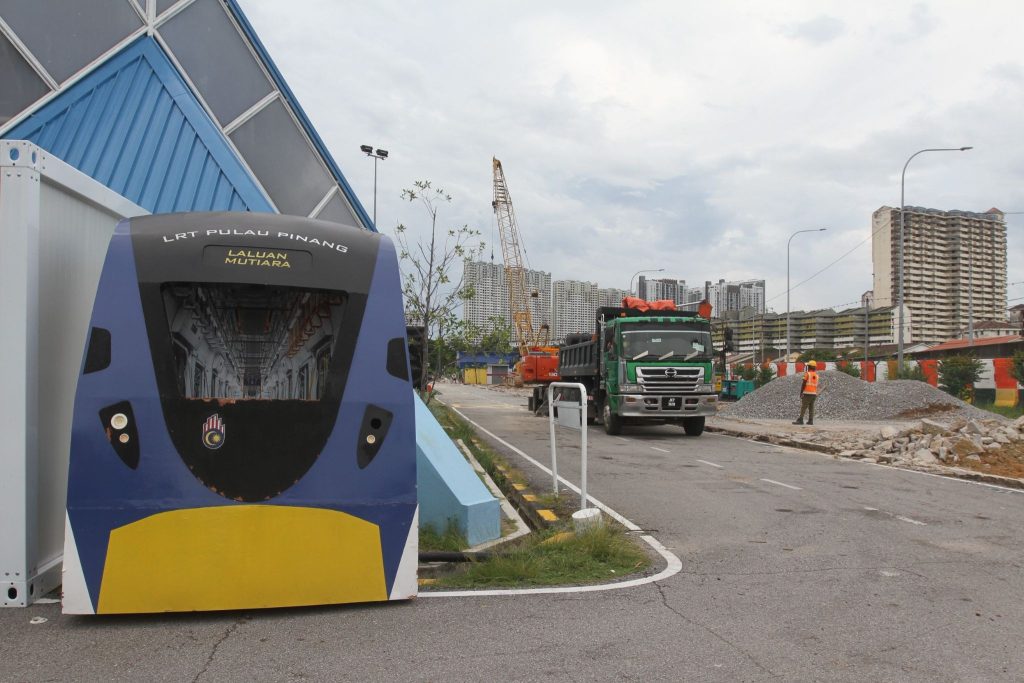
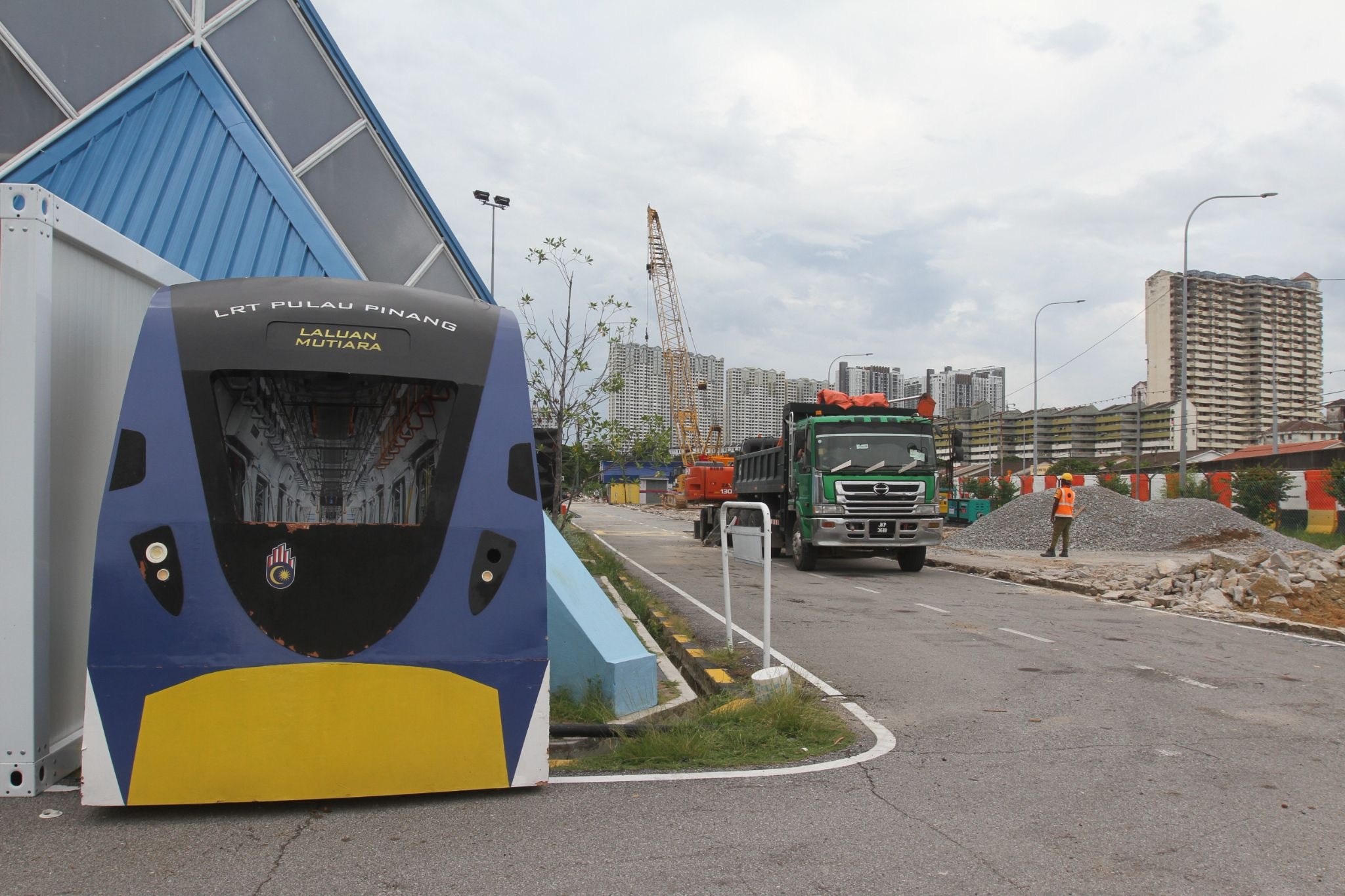
The upcoming Penang LRT is already shaping expectations in the property market, especially along future rail corridors where improved connectivity is often linked to stronger demand, rising property values and new development activity. But while the project is expected to generate stronger market interest, the Penang government says its broader significance lies in long-term urban transformation rather than short-term speculation.
As part of the broader Penang Transport Master Plan, the LRT is expected to improve connectivity across key residential and employment corridors, particularly in areas that consistently suffer from traffic congestion. For developers and home buyers alike, rail infrastructure is often closely watched as accessibility improvements tend to influence both development activity and buyer sentiment over time.
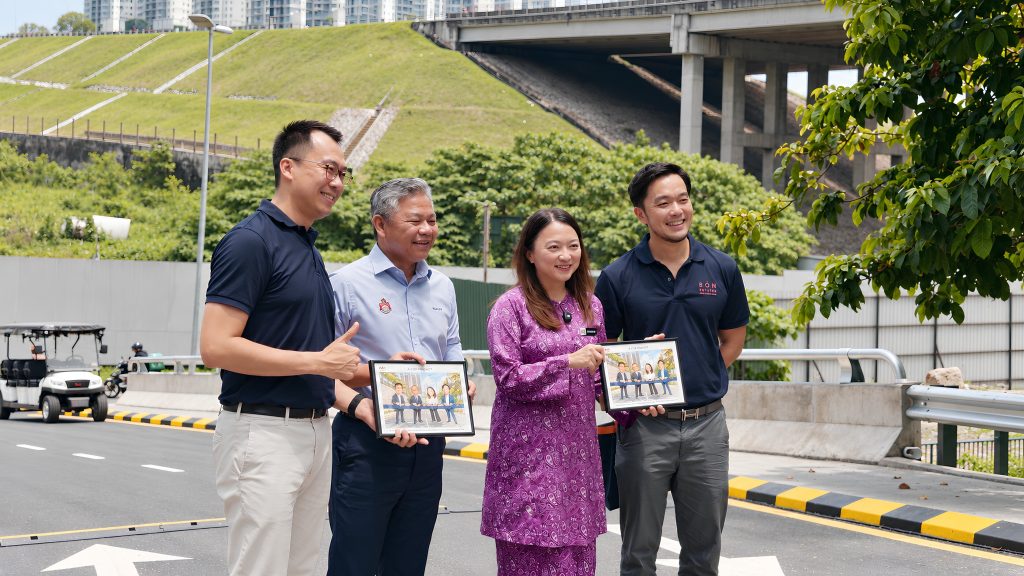
To better understand what this could mean for Penang’s property landscape, Star Biz7 reached out to Penang infrastructure, transport and digital committee chairman Zairil Khir Johari who said the LRT should be viewed primarily as a long-term public infrastructure investment intended to reshape the state’s urban economy over time.
“The Penang LRT should not be viewed purely as a short-term market catalyst or speculative trigger,” reaffirmed Zairil. He added that while certain expectations may already be reflected in selected property segments, the project’s aim is much broader in its target impact and lies in the long-term structural transformation that reliable urban rail transit can bring to Penang’s urban economy.
Rather than functioning solely as a transport system, he said the LRT is intended to improve connectivity, reduce reliance on private vehicles and strengthen integration between residential, commercial and industrial areas.
Rail projects often spark expectations of higher property values, especially in areas with better connectivity. But whether prices actually move and by how much, usually depends on things like station access, nearby amenities, feeder transport and how surrounding areas are developed over time. In most cases, any meaningful gains tend to happen gradually rather than overnight.
For buyers and developers, this means the impact of the Penang LRT is less likely to be immediate. Some areas with stronger connectivity and supporting infrastructure may gain traction earlier than others. Other broader benefits are likely to play out more gradually as the surrounding ecosystem takes shape.
Beyond existing high-value corridors
That being said, locals still question whether rail-led growth could end up benefiting already established high-value areas more than new affordable locations. Past rail projects usually drew stronger market interest to places near stations, particularly where better accessibility supports denser development and commercial activity.
Another concern was whether these benefits would become concentrated in already established urban pockets, all while affordability pressures persist elsewhere. Zairil acknowledged these concerns but reaffirmed that the LRT alignment was planned based on mobility demand and ridership potential instead of a property development perspective.
According to him, the alignment was deliberately planned along high-density residential, commercial and employment corridors to maximise ridership potential and strengthen the public transport backbone of the state.
By connecting residential catchments, industrial zones, education hubs and employment centres, the state government hopes the LRT will benefit a broader segment of communities across different income groups.
The rail corridor is also being positioned as a catalyst for transit-oriented development (TOD) where future growth is organised around public transport accessibility rather than continued dependence on private vehicles. Importantly, Zairil stressed that TOD planning along the corridor is not intended to cater exclusively to premium developments.
If implemented well, TOD planning could also help create more walkable neighbourhoods where homes, workplaces, amenities and public transport are better connected. Over time, this may not only improve convenience for residents but also support more sustainable patterns of urban growth across the state.
The broader vision instead is to support integrated communities such as affordable housing, commercial activity, public amenities, pedestrian connectivity and multimodal transport integration within accessible distances from stations.
“In this regard, the Penang LRT is expected to support a more balanced urban growth pattern over the long term where different segments of society can benefit from improved mobility, accessibility and economic opportunities,” he said.
Planning discipline key
For the state government, successful TOD implementation involves much more than simply increasing density near stations. “Genuine TOD must be supported by integrated land use planning, pedestrian connectivity, public realm improvements, feeder bus integration and appropriate development controls,” said Zairil.
He added that planning around station areas would continue to be guided through master planning and regulatory oversight to ensure surrounding locations evolve into liveable, accessible and economically productive urban centres rather than ad-hoc development clusters.
Among locations currently being prioritised for TOD master planning are Tapak Pesta Sungai Nibong and Bandar Sri Pinang because they are expected to play strategic roles in supporting coordinated growth along the rail corridor.
Short-term disruption, long-term gains
As with any major infrastructure project, the transition period is expected to bring temporary disruption before longer-term benefits begin to emerge. For residents and businesses located along future construction corridors, the implementation period may prove challenging as road diversions, construction activity and temporary accessibility issues become part of daily life.
According to Zairil, among the challenges often underestimated during the construction phase are traffic management complexities, utility relocation works, temporary impacts on businesses and residents, construction logistics within dense urban areas, as well as the need for sustained public communication and stakeholder coordination.
“The state government, project implementer (MRT Corporation) and relevant agencies will continue to prioritise mitigation measures, public engagement and phased traffic management strategies to minimise disruption as much as possible throughout the implementation period,” he said.
It all will depend on how smoothly the rail infrastructure is delivered and how effectively surrounding development is planned in the years ahead. But for now, the Penang government’s position is clear. The Penang LRT is intended to function not as a short-term property catalyst but as a long-term investment in mobility, connectivity and urban transformation, one that could gradually reshape how people live, work and move across the state.
Stay ahead of the crowd and enjoy fresh insights on real estate, property development and lifestyle trends when you subscribe to our newsletter and follow us on social media.