

Madani Housing Reforms to empower homebuyers in 2026
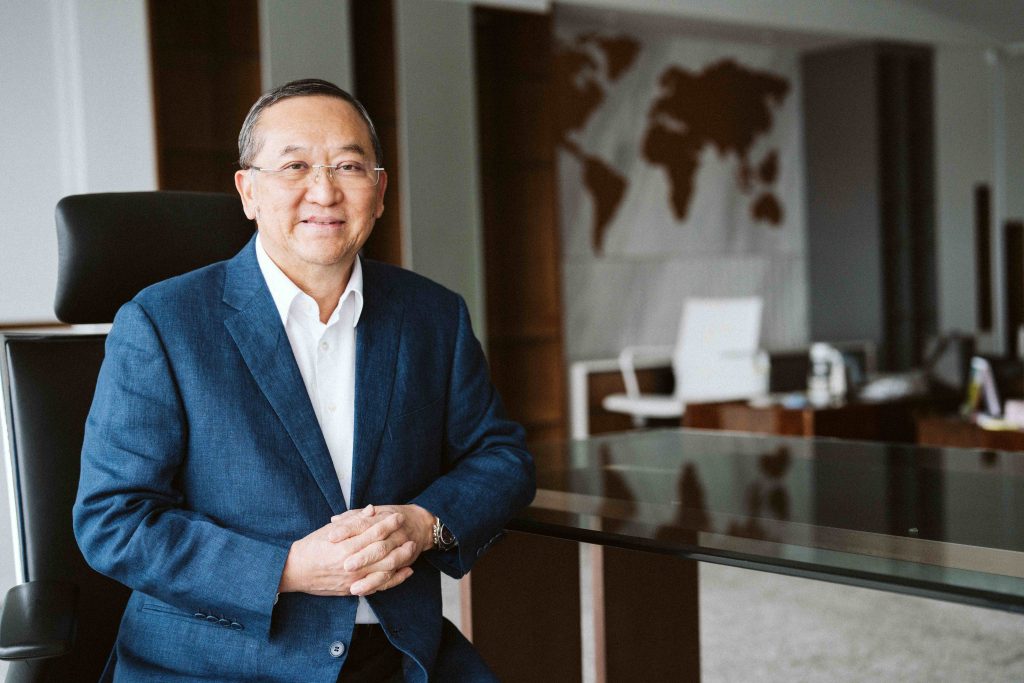
Contributed by Nga Kor Ming
As the calendar year of 2025 draws to a close, it is a crucial moment for us at the Ministry of Housing and Local Government (KPKT) to pause, reflect and chart the course for the promising year ahead. The past twelve months have been defined by an unyielding commitment to the MADANI framework, translating visionary national goals into tangible reforms that directly impact the daily lives of the rakyat. Our core mission remains focused on ensuring every Malaysian has access to quality, affordable and safe dwellings within liveable communities.
The journey has required strategic adjustment. While key economic indicators pointed towards market stabilisation—with developers exercising prudence in new project launches—we have utilised this period not for stagnation but for strengthening the regulatory and financial foundations of our housing sector. The groundwork laid in 2025 will be the resilient base upon which we build the expansion of 2026.
Strengthening the pillars of homeownership
A primary focus for KPKT remains the urgent need to close the affordability gap. Our policy responses in 2025 were tailored to provide crucial support to those navigating the path to homeownership. In fact, I am pleased to share that the MADANI government has surpassed our target to provide 500,000 affordable housing units under the 12th Malaysia Plan. As of 30th September 2025, we have approved the construction of 511,544 affordable housing units.
The continuous support through financial mechanisms has been vital. The extension of the stamp duty exemption for memorandum of transfers and loan agreements for homes priced up to RM500,000, now securing relief until December 2027, has provided essential savings and market confidence for first-time buyers.
Furthermore, recognising the unique financial challenges faced by young professionals, the Youth Housing Financing Scheme under the Public Sector Home Financing Board has been extended, with financing limits raised up to RM1 million. These measures underscore our unwavering focus on affordability and on empowering the next generation of Malaysian homeowners.
Road to zero sick projects: MADANI Housing Reforms
More fundamentally, 2025 saw the introduction of the framework for the MADANI Housing Reforms. These comprehensive reforms are not merely administrative changes; they are a necessary systemic overhaul designed to standardise governance, increase transparency and enhance the overall efficiency of the housing development sector.
The proposed Real Property Development Act (RPDA) aims to replace Act 118 and update legal provisions in line with current market needs and land-use types, including the coverage of emerging development models such as mixed-use concepts like resi-office developments. Collectively, the RPDA would enable the diversification of Sale and Purchase Agreement (SPA) formats to better reflect present-day development realities while also facilitating the use of technology to enhance the ease of doing business through more streamlined approvals and greater transparency among developers, buyers and authorities.
Another key reform is the adoption of the Housing Integrated Management System (HIMS). Through this digital platform, all financial transactions including payments to consultants, lawyers and financing institutions, as well as redemption sums, are digitally recorded and monitored to ensure buyers’ interests are protected.
The system will be integrated with major banks, with CIMB set to be the first to fully implement the system from mid-2026. By providing real-time oversight and a clear audit trail, HIMS could strengthen enforcement, prevent manipulation and misuse of buyers’ funds, and significantly reduce the risk of sick and abandoned projects.
We look forward to expediting the implementation of these reforms, particularly the new Real Property Development Bill, which is currently being finalised before being presented to the Cabinet. This legislative modernisation is essential for creating a predictable environment that encourages developers to invest confidently in the nation’s future housing needs.
The urban renewal imperative
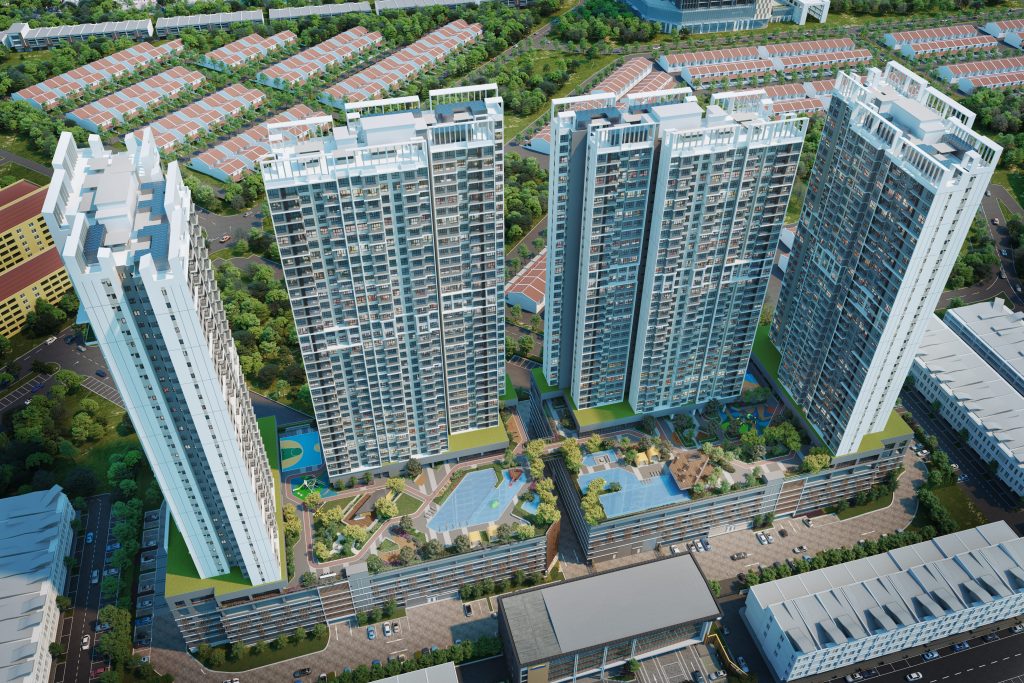
A defining policy mandate for KPKT is the transition from sprawling urban expansion to smart, vertical and sustainable intensification. This involves the critical and often complex challenge of urban renewal.
Our cities, particularly mature centres like Kuala Lumpur and parts of Selangor, contain high-density stratified properties—many of which are over 50 years old—that are deteriorating, unsafe and fail to optimise valuable urban land. The proposed Urban Renewal Act is the legislative tool required to address this critical issue.
I firmly believe that renewal must not be an option but an imperative for safety and liveability. The Act is necessary to introduce a lower, more workable consensus mechanism for redevelopment projects, enabling long-stalled regeneration to finally proceed. This will unlock fragmented brownfield sites, promoting higher-density, transit-oriented developments (TODs) that better serve the modern urban populace.
However, acceleration must be balanced with equity. As we move forward with urban renewal, KPKT is committed to implementing robust social safeguards: transparent valuation models, clear relocation frameworks and independent mediation. Our focus is on ensuring that development upholds the dignity and community heritage of long-standing residents, especially our elderly and low-income citizens. Renewal must be done not just for economic gain but for the collective good.
ESG resilience: Our shared responsibility
Sustainability is no longer an optional add-on; it is a regulatory requirement and a moral obligation. Our commitment to national net-zero goals necessitates a decisive shift in how we build and manage our built environment.
This aligns with Malaysia’s role as the President of the UN-Habitat Assembly. In line with the 13th Malaysia Plan, we aim to expand the use of Industrialised Building Systems (IBS) and other modular technologies in public housing to reduce construction costs, noise pollution and construction waste.
Meanwhile, local government bodies are being empowered to prioritise climate resilience. This includes enhanced focus on passive water management standards, ensuring increased permeable surfaces and the integration of multifunctional public spaces that double as flood retention parks. We must ensure our urban planning frameworks value environmental performance and human comfort, mitigating the risks posed by increasing weather extremes.
A call to collaboration
As we prepare for 2026, I am confident in the resilience and innovation of the Malaysian property industry. The challenges—from navigating new regulatory frameworks like the potential stamp duty increase for foreign buyers, to clarifying the scope of the new Real Property Development Act—are points for continued, constructive engagement.
The government has played its part by setting ambitious goals, providing financial relief and initiating vital legislative change. Now, we call upon developers and local authorities to uphold their nation-building role: to deliver quality and affordable homes, to innovate with sustainable methodologies and to embrace the vision of a resilient, liveable and MADANI Malaysia for all.
Stay ahead of the crowd and enjoy fresh insights on real estate, property development and lifestyle trends when you subscribe to our newsletter and follow us on social media.