Malaysia’s luxury real estate market is shifting from ostentatious grandeur to wellness and liveability
Not too long ago, luxury homes were easy to identify. They stood tall over Kuala Lumpur’s skyline, carried prestigious postcodes and came dressed in imported marble, soaring ceilings and grand entrances. During this era, bigger was better, grander was inherently desirable and addresses such as KLCC, Mont Kiara and Bangsar became the ultimate shorthand for success.
Today, however, affluent buyers are beginning to see luxury differently. Instead of asking how large a home is, they are asking how it can actively improve their lives. Does it simplify daily routines, offer greater privacy or create spaces where families can spend more meaningful time together surrounded by greener surroundings?
These questions are quietly reshaping Malaysia’s luxury residential landscape at a highly significant time. According to the Property Market Report 2025 by the Valuation and Property Services Department (JPPH), Malaysia recorded 416,421 property transactions worth RM241.87bil in 2025. While the total transaction volume dipped marginally by 1%, the transaction value rose 4.1% year-on-year, marking a notable decade-high.
The figures suggest a clear shift in buyer behaviour. Rather than buying more, they are buying better. At the upper end of the market, wealthy Malaysians are moving away from homes as mere status symbols, choosing properties based on how well they support a lifestyle centred on wellness, convenience and meaningful daily living.
Beyond size and status
This behavioural shift is fundamentally changing how developers define luxury. In earlier market cycles, luxury was strictly measured by iconic architecture, towering height and imported finishes. While these elements still matter, they are no longer the ultimate deciding factors for buyers.
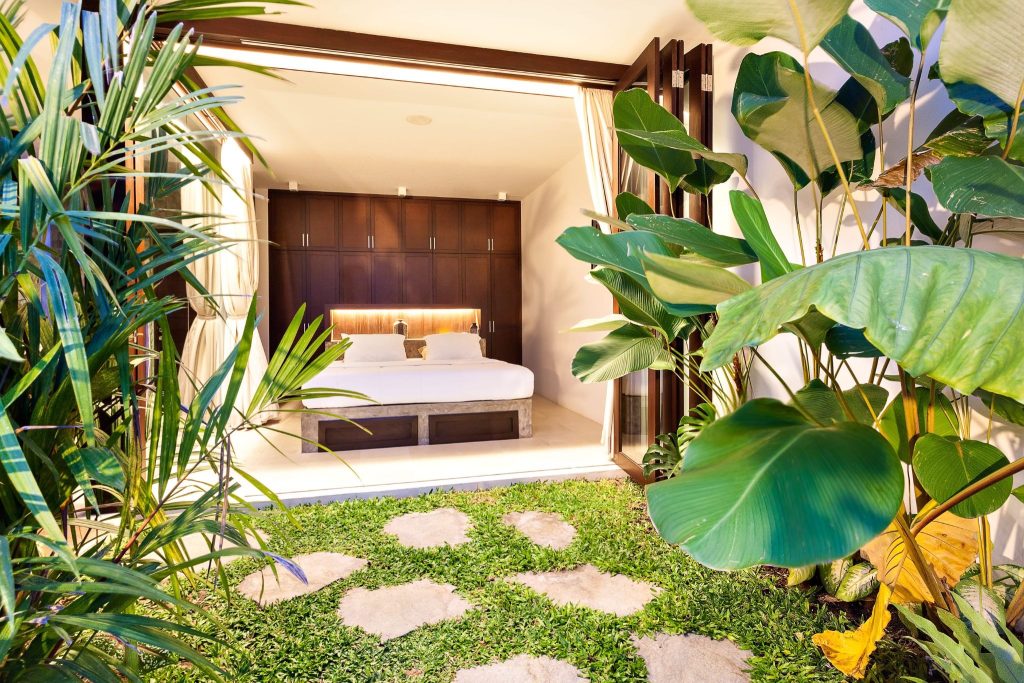
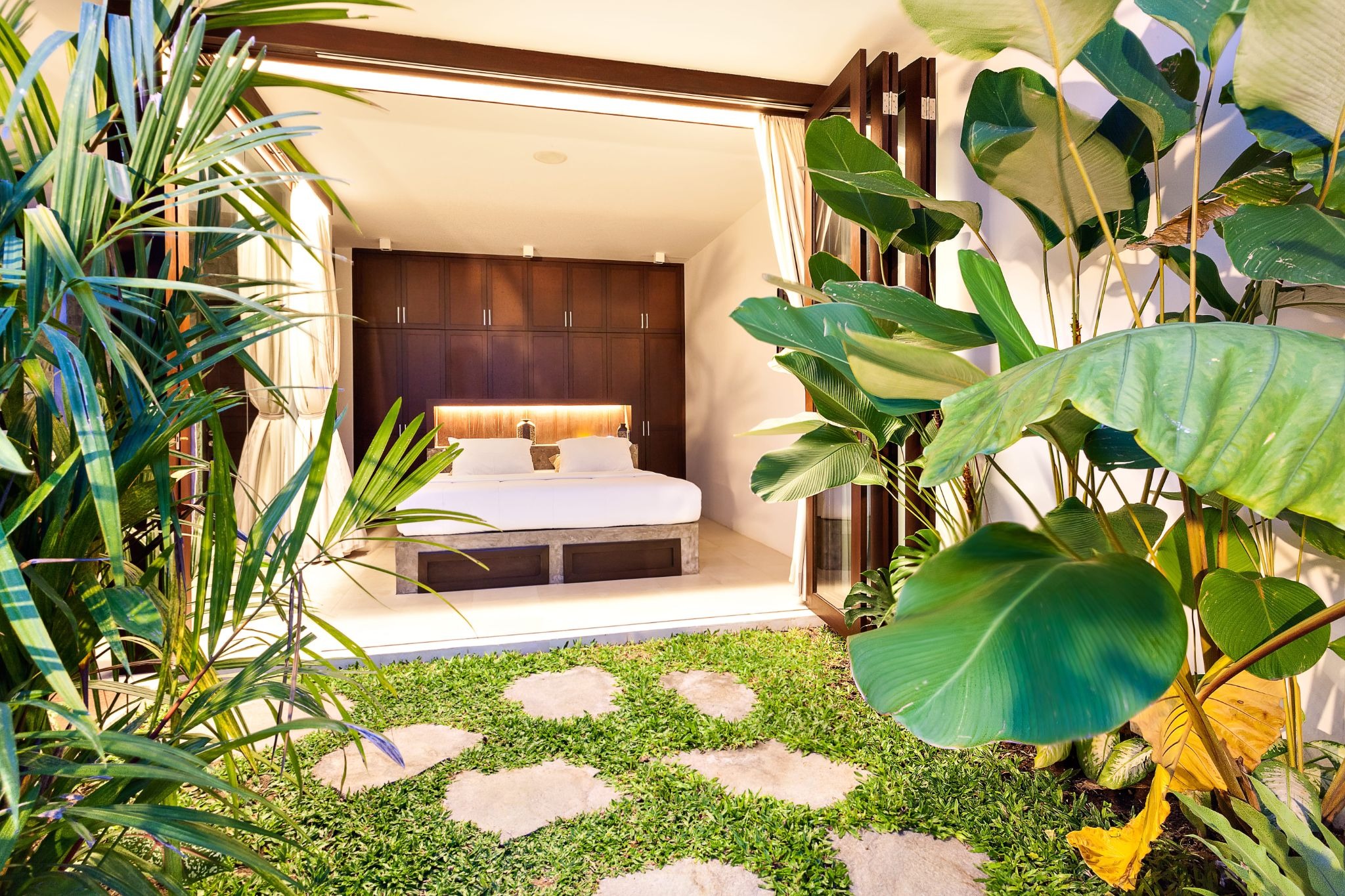
Today, the core focus has pivoted to how well a home serves its residents. Consequently, low-density layouts have become a prime selling point, wellness facilities are treated as central features and green spaces are meticulously planned from the very outset rather than added as an afterthought. In short, luxury is becoming far more livable.
This directly reflects broader lifestyle transformations. Years after the pandemic permanently reshaped work and living patterns, many Malaysians continue to prioritise health and wellbeing. This is heavily reflected in official transaction data from the National Property Information Centre (Napic) which shows that landed properties (led by terraced and semi-detached houses) consistently command over 50% of all residential transactions nationwide, vastly outperforming high-rise properties which account for just under 14%.
For affluent buyers, these preferences are amplified. A private garden, a winding walking trail or a landscaped courtyard may not be as visually striking as a grand lobby but they increasingly carry more weight in final decision-making. Homes featuring natural ventilation, biophilic design and flexible layouts are rapidly gaining traction while smart home systems, once seen as a luxury add-on, are now expected as a baseline standard for convenience and security. The luxury buyer today is no longer just purchasing a residence, they are investing in long-term quality of life.
New geography of luxury
As priorities evolve, the definition of a prime address is shifting as well. While traditional hotspots like KLCC, Bangsar and Mont Kiara remain strongholds of luxury demand, they are no longer the exclusive markers of prestige.
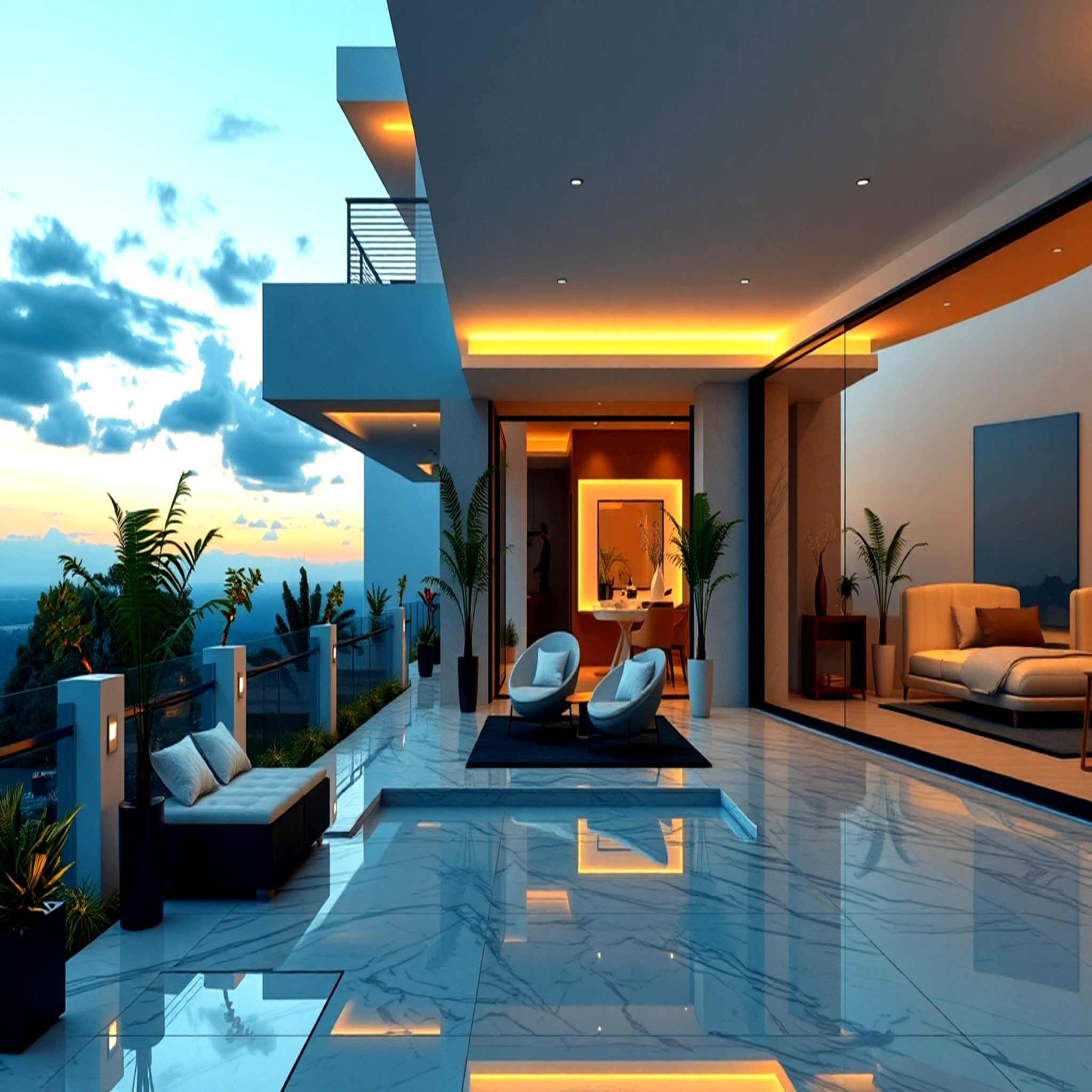
Luxury is steadily extending beyond the congested city centre. Neighbourhoods like Bukit Tunku, Kenny Hills and Damansara Heights continue to command immense attention for their lush greenery, unmatched privacy and generous land sizes. Concurrently, Ampang is seeing renewed interest as buyers seek quieter, low-density surroundings without sacrificing city connectivity.
Over in Selangor, exclusive gated communities in Kota Kemuning, Sierramas and parts of Petaling Jaya are attracting affluent families seeking a slower, more deliberate pace of life. In a dense urban environment, space and privacy have become luxury assets in their own right.
This marks an important evolution in real estate logic. For decades, direct proximity to the city centre defined luxury living. Today, true convenience is tied to balance—maintaining effortless access to the city without sacrificing peace and quiet.
JPPH data reinforces this resilience in demand. Kuala Lumpur remains Malaysia’s most expensive housing market, with average prices sitting above RM810,000, followed closely by Selangor at RM567,505. Furthermore, while the national House Price Index rose to 233.1 points, Napic data indicates that transaction values remain resilient despite lower overall volumes. This strongly suggests a market preference for quality, enduring developments over speculative buying. Location still matters but it is no longer the only factor that matters.
Rise of experiential luxury
Nowhere is this shift more evident than in the evolution of experience-driven residential design where modern developments are modelled entirely around integrated lifestyle concepts. Ultimately, the market is undergoing a profound paradigm shift, moving away from simple property ownership toward a total immersion in experiential living. Affluent buyers are no longer merely purchasing a prestigious address; they are investing in a lifestyle meticulously curated around convenience, wellness and community.
Wellness is becoming a central pillar. High-performance fitness centres, yoga decks, walking trails, spa facilities and access to greenery are increasingly viewed as essentials rather than luxuries.
Convenience matters just as much. Concierge services, integrated smart home systems, seamless parcel management and retail or dining offerings within walking distance are changing how residents interact with their surroundings.
Community is also taking on greater importance. Shared lounges, social spaces and curated resident events are designed to encourage interaction and create a stronger sense of belonging.
The shift extends to the way people work and spend their time. Flexible layouts, co-working spaces and quieter residential environments are increasingly sought after as affluent buyers look for homes that support hybrid lifestyles and changing family needs.
Most of all, experiential luxury is about creating spaces that enrich everyday living. Homes are no longer seen merely as assets or status symbols but as places that promote well-being, strengthen family connections and offer moments of calm in increasingly busy urban environments. This trend is already visible across Kuala Lumpur’s luxury residential market.
At Four Seasons Place Kuala Lumpur, residents enjoy hotel-style services, direct access to upscale retail and dining, and amenities designed to create a seamless urban lifestyle. The development positions itself not simply as a luxury residence but as an integrated living environment centred on service and convenience.
A similar philosophy can be seen at The Exchange TRX Residences where homes are integrated into a mixed-use precinct anchored by a 10-acre public park, retail offerings and direct connectivity to Kuala Lumpur’s MRT network. The project places a strong emphasis on sustainability, community engagement and wellbeing, reflecting the growing preference for experience-led living.
Hospitality-inspired living is also gaining traction through branded residences. Projects such as Banyan Tree Residences Kuala Lumpur and Conlay Residences offer concierge services, resort-style amenities and curated lifestyle experiences that extend beyond the home itself. Buyers are increasingly drawn to the consistency of service and the sense of trust associated with established hospitality brands.
This is not merely a Malaysian phenomenon. Knight Frank’s Global Branded Residences Report 2025 noted that branded residences worldwide have grown from 169 developments in 2011 to 611 today, with the number expected to exceed 1,000 by 2030. Increasingly, buyers are seeking homes that deliver not just prestige but also wellness, community and meaningful experiences.
Developers are responding
Developers are adapting to these new market demands with impressive speed, moving away from standalone structures to build holistic lifestyle ecosystems. This philosophy is highly visible in nature-centric developments like Park Regent at Desa ParkCity.
Rather than focusing solely on height, this joint venture by ParkCity and CapitaLand integrates 505 low-density luxury apartments with direct access to the township’s Central Lake. Units are specifically crafted around biophilic principles, featuring private lift lobbies, expansive balconies, massive window openings to maximise natural ventilation and cascading sky gardens that bring nature directly into the high-rise structure.
Another prime example is Botanik Point in Ampang’s Taman Zooview enclave. Developed by Urban Hallmark Properties, this freehold project deliberately challenges traditional density metrics by capping construction at just 46 townvillas and semi-detached homes, despite planning permissions allowing for 108 units on the 1.78-acre site. Critically, 30% of the site’s original forest terrain and mature trees have been preserved as a private nature reserve. Rather than clearing the land, the architecture prioritises the pre-existing ecosystem, incorporating air wells, cross-ventilation stacks and provisional GreenRE Platinum standards to let residents live within a raw hillside sanctuary.
Further expanding on this community-driven approach within the same township is Noöra, an integrated development designed around Nordic-inspired, multi-generational co-living. It features a fourth-place architectural concept where public spaces act as direct extensions of individual living rooms. The project moves beyond basic amenities by incorporating dedicated work lofts, reading nooks, communal kitchens and creative workshops on every amenity floor to combat social isolation and foster organic neighbourly interaction.
On an even grander scale, pioneering masterplans are centring the entire residential experience around healthcare, longevity and personal well-being. A prime example is KL Wellness City in Bukit Jalil, an RM11bil mega-township designed from the ground up as Southeast Asia’s first integrated medical and wellness ecosystem. Its residential components, including The Nobel Healthcare Park and The Vividz, are physically integrated with a state-of-the-art international tertiary hospital, medical specialist suites and a fitness-based Central Park. The architecture features wheelchair-accessible covered walkways, dedicated cycling trails, wellness studios and therapeutic gardens, turning healthy daily habits into a seamless part of urban residential life.
The ultimate goal for developers is to build impressive, towering structures that simplify and enhance everyday living. This marks a clear evolution in luxury thinking. Where developers once competed entirely on height and scale, the next phase of real estate will be defined by how well a development improves daily life.
Prestigious addresses and top-tier architectural quality will always hold value. However, tomorrow’s luxury home will be judged less by what it outwardly displays and far more by how deeply it supports the people who live inside it. For Malaysia’s affluent buyers, that is becoming the most meaningful luxury of all.
Stay ahead of the crowd and enjoy fresh insights on real estate, property development and lifestyle trends when you subscribe to our newsletter and follow us on social media.