Connectivity, inclusive design and practical shared spaces shape how residents experience a neighbourhood
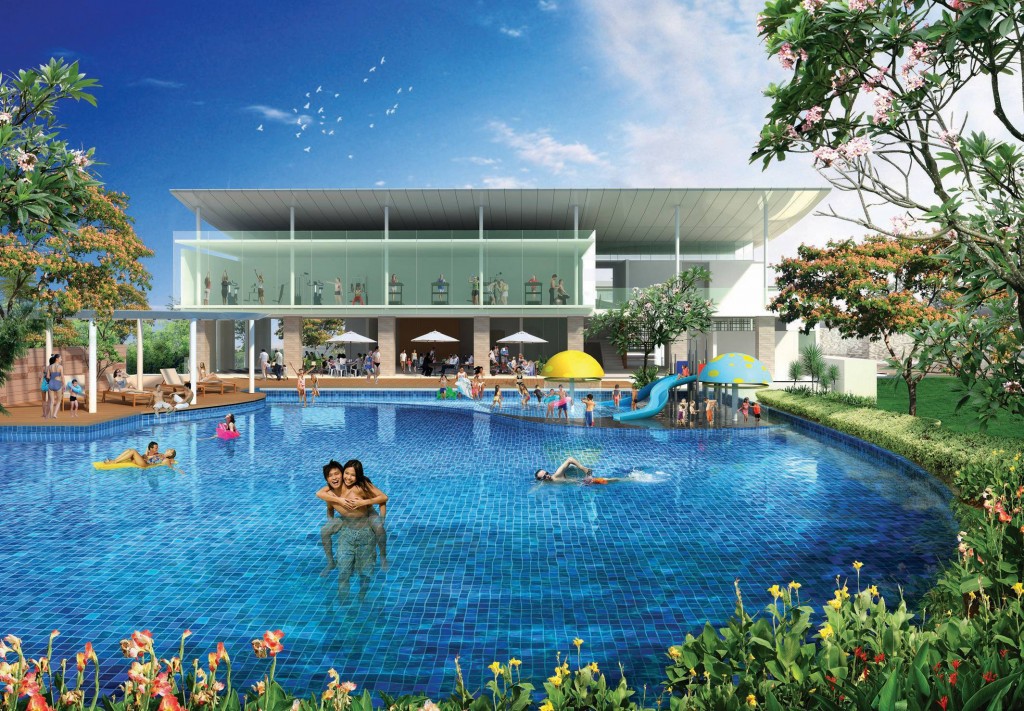
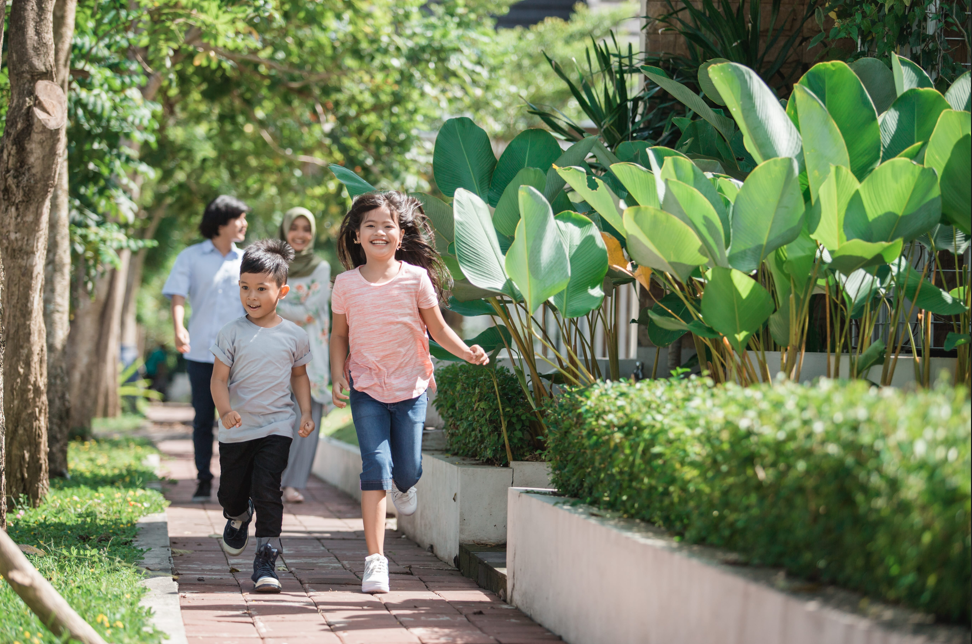
Every neighbourhood possesses its own distinct character and attraction. Perhaps it is a serene park where residents can mingle or a shaded walkway that leads to a charming cluster of shoplots. Little experiences like these help prospective buyers picture themselves living there. For those who move in, they offer opportunities to settle into neighbourhood life and enjoy the spaces beyond their homes.
These are the experiences through which property developers shape the character of Malaysian neighbourhoods. Planning a project involves making decisions about the placement of homes, shops and recreational areas, as well as convenient routes for people to move through the development. These connections influence whether walking feels convenient, while the design of shared spaces affects who can access and use them.
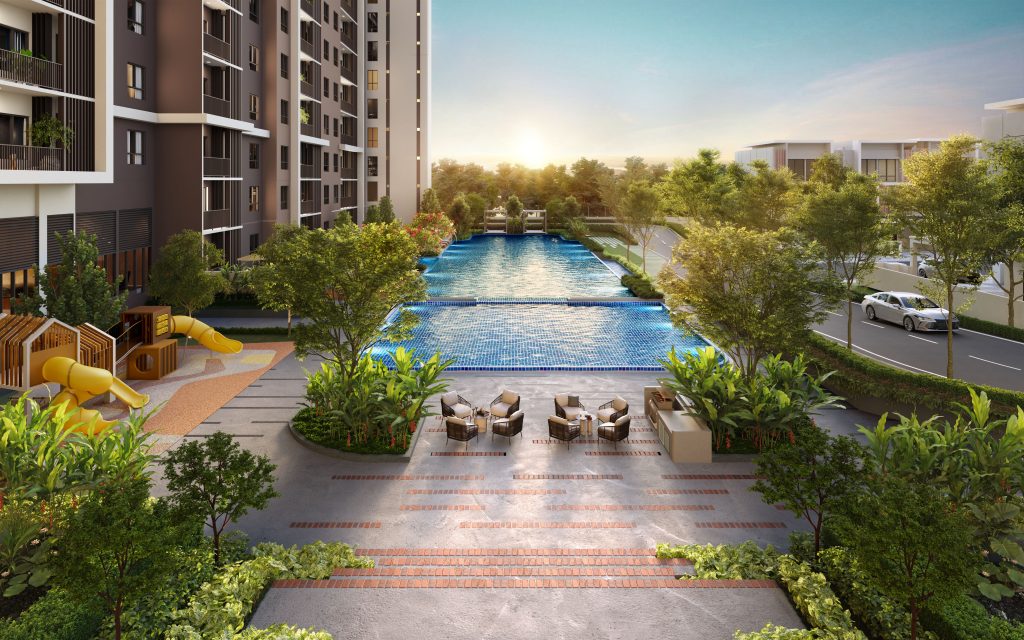
Take landscaping, for example. Beautiful scenery may draw attention when a project is first launched, yet its lasting appeal depends on whether residents find it useful, comfortable and worth returning to. As households grow and their needs change, the quality of the surrounding neighbourhood becomes an increasingly important part of the residential experience.
These considerations give meaning to placemaking ingenuity, a focus of the Malaysia Developer Awards (MDA). Creating a distinctive place involves understanding how people will use it and how it can become part of their daily lives.
Stakeholder proposals
From an industry standpoint, the responses gathered ahead of the StarProperty Budget 2027 Roundtable provided valuable insights. Among them was a proposal for a Malaysia Liveability Incentive, which called for developments to be rewarded for the quality of life they create, with an emphasis on connectivity, walkability, sustainability and community amenities.
The proposal also brought commuting time and accessibility into the broader discussion of affordability. For a multigenerational household juggling work, school and daily errands, the location and planning of a development can influence daily expenses and routines well beyond its purchase price. This is where placemaking becomes particularly relevant. A neighbourhood’s amenities gain value through the way they work together. Convenient connections between homes, recreational spaces and shops make it easier for residents to include these places in their routines, while shared facilities provide opportunities for neighbours to meet.
The StarProperty Budget 2027 memorandum addresses this relationship through its recommendations on demand-led urban planning. It identifies the separation of residential developments from commercial hubs, employment centres and mass transit networks as a concern, calling for better coordination between housing and the infrastructure surrounding it.
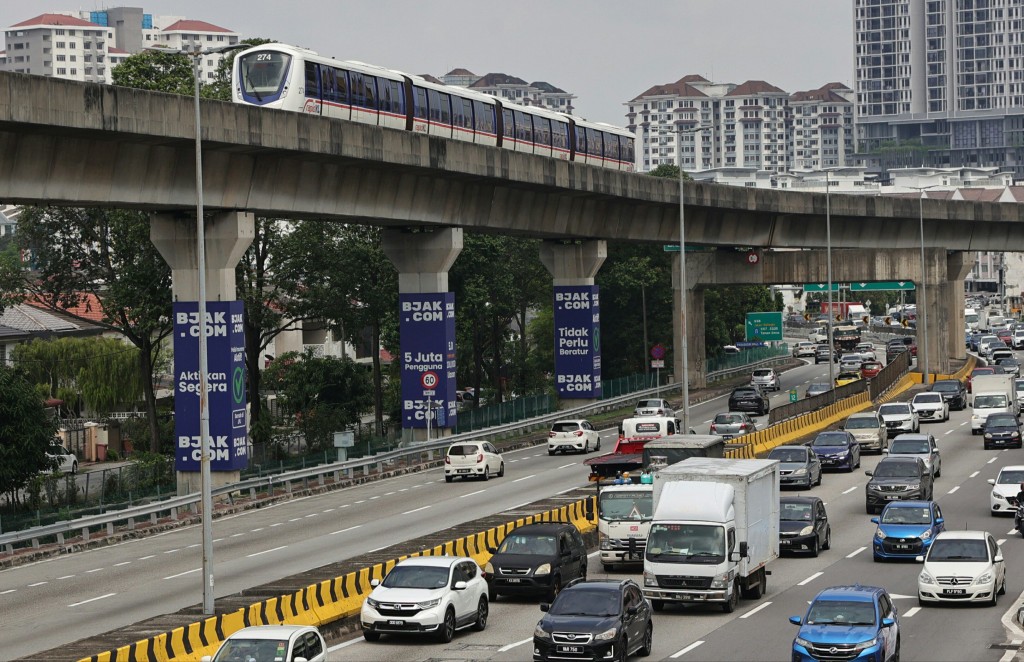
For developers, it recommended designing integrated townships that bring homes together with commercial amenities, local employment opportunities and a range of transport options. The implication for placemaking is quite practical in the sense that the spaces between destinations deserve as much consideration as the destinations themselves.
Rain or shine
There is also Malaysian weather to take into account. When the sun is blazing or a sudden downpour sends pedestrians scurrying for cover, is there adequate shade, shelter or somewhere to rest? These considerations matter to residents of different ages and abilities. A young adult, a parent with a pushchair and an older person using a wheelchair may experience the same space very differently.
Fittingly, the memorandum proposed support for developments incorporating universal accessibility, elderly- and disabled-friendly features, multi-generational layouts, community infrastructure and direct public transport connections. It also encouraged a more diverse range of homes to accommodate people at different stages of life. For older residents, access to a communal area should be easy enough to make the journey worthwhile. Families need clear paths with room for pushchairs. A bench or two can give neighbours a place to sit and chat without having to buy a meal or drink.
Planning for these needs gives a neighbourhood the flexibility to serve its community over time. Residents should be able to remain involved in local life as their circumstances change, whether they are raising children, caring for family members or entering retirement.
Placemaking in established urban areas
Opportunities to create comfortable, welcoming spaces also exist in established neighbourhoods. In a response ahead of the Budget roundtable, there was a proposal for an Urban Regeneration and Adaptive Reuse Framework, particularly within transit-oriented developments. The proposal centres on making better use of existing urban assets and transport infrastructure to support connected communities.
Such an approach brings a different set of considerations. Existing neighbourhoods already have familiar routes, gathering places and patterns of activity. Renewal offers an opportunity to improve their usability while considering what residents already value about the area. Keeping a place useful also requires attention to its upkeep. Facilities have ongoing costs that eventually add to residents’ household expenses. Decisions made during the planning stage can therefore influence how affordable a development remains to live in.
The placemaking judging criterion
During the judging sessions of project presentations earlier this year, Placemaking Ingenuity is the creation of placemaking spots within a township or development that encourage interaction among residents and visitors.
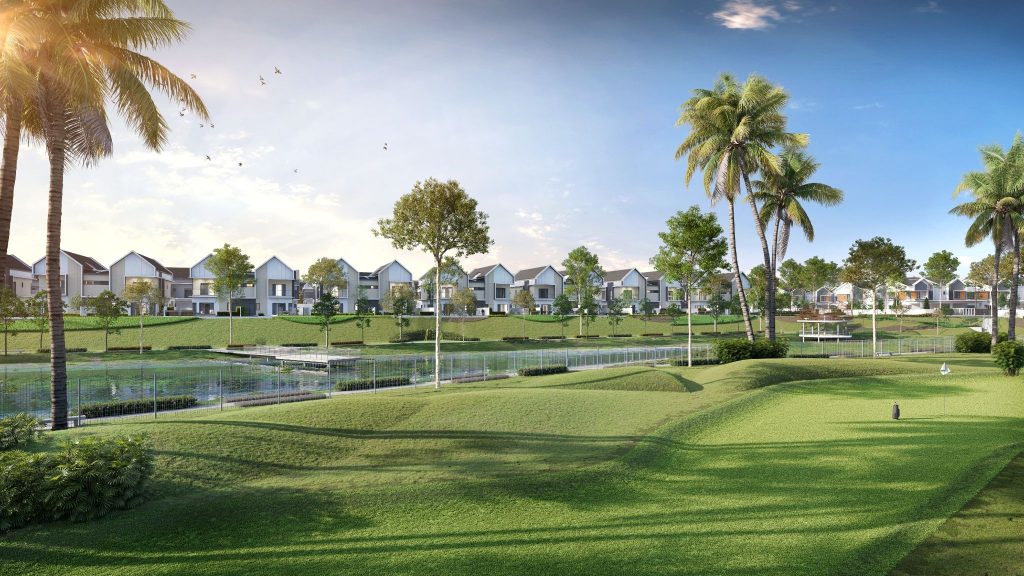
Part one assessed the concept and objective of placemaking, which is essentially the inception of the big idea. For example, whether there are unique selling points that residents can enjoy such as a water feature in a park. Assessment is also on the realisation plan of the overall design, any unique strategies adopted or how the concept was realised and its strategies. Lastly, branding and marketing were judged based on the implemented strategies and whether it bred successful awareness of the project.
The official rankings
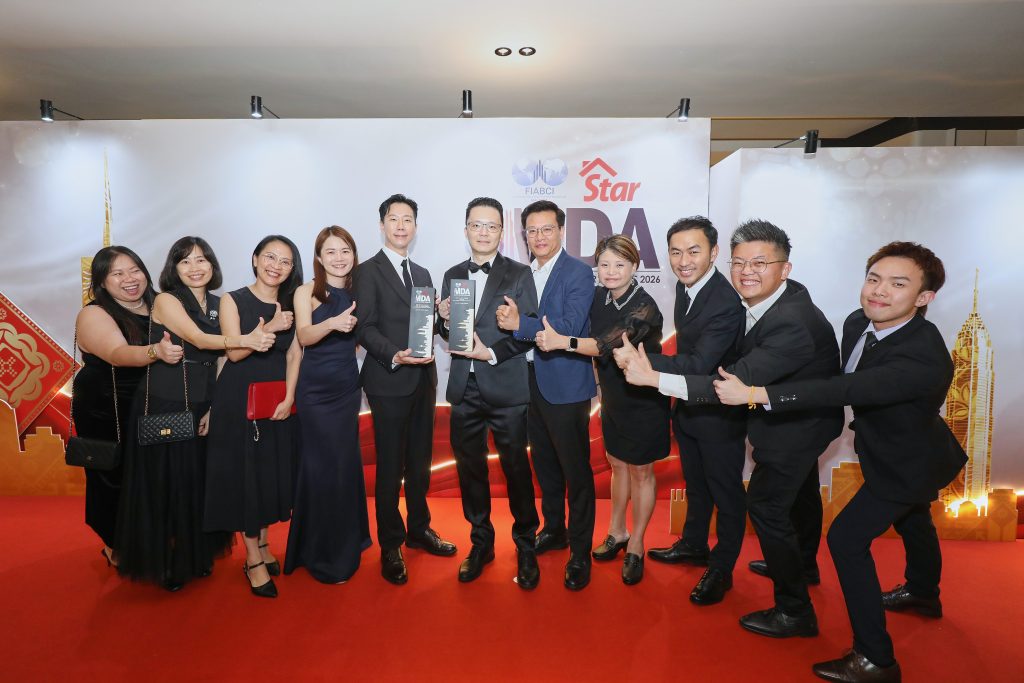
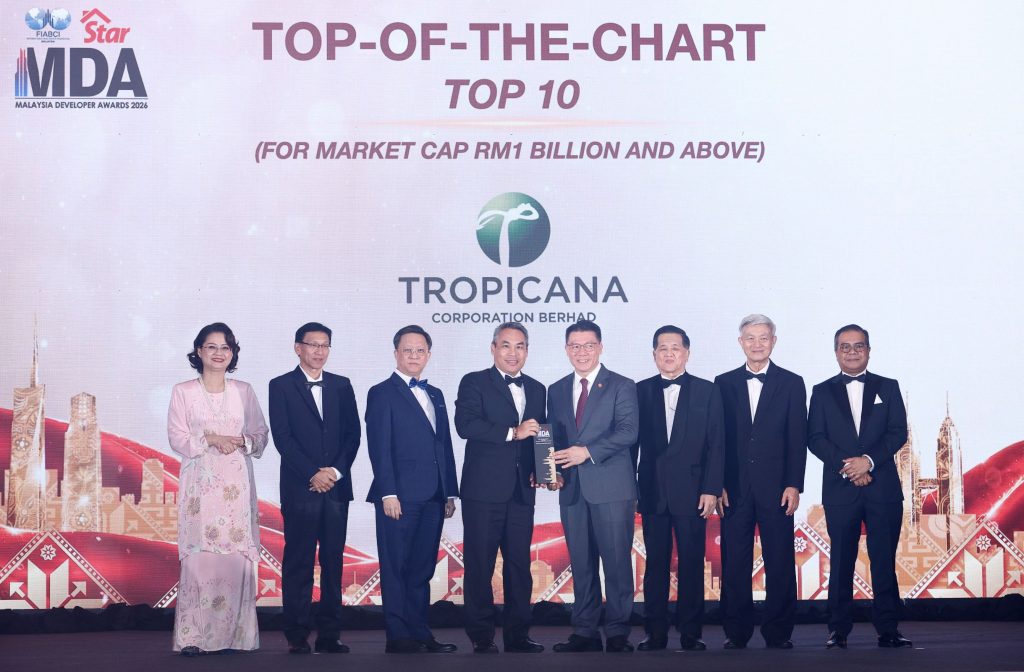
This year at the MDA award presentation, Sime Darby Property Bhd topped the Placemaking Ingenuity rankings in the RM1bil and Above tier, while Avaland Bhd led the Below RM1bil category. Their achievements underline the value of thoughtful planning in creating welcoming spaces that bring people together and give neighbourhoods a character of their own.
RANKING BY PLACEMAKING
| (RM1bil & Above Category) |
|---|
| Sime Darby Property Bhd |
| IOI Properties Group Bhd |
| SP Setia Bhd |
| UEM Sunrise Bhd |
| Tropicana Corporation Bhd |
| Eastern & Oriental Bhd |
| MRCB |
| Matrix Concepts Holdings Bhd |
| OSK Holdings Bhd |
| IGB Bhd |
| (Below RM1bil Category) |
|---|
| Avaland Bhd |
| AME Elite Consortium Bhd |
| Sunsuria Bhd |
| LBS Bina Group Bhd |
| Eupe Corporation Bhd |
| Glomac Bhd |
| WCT Holdings Bhd |
| AYER Holdings Bhd |
| BCB Bhd |
| Paramount Corporation Bhd |
Stay ahead of the crowd and enjoy fresh insights on real estate, property development and lifestyle trends when you subscribe to our newsletter and follow us on social media.