Safeguarding long-term enterprise value is crucial
In the real estate development sector, the true measure of corporate success extends far beyond isolated quarterly spikes or temporary surges in sales. The definitive benchmark of an industry leader is the ability to sustain growth over decades. Achieving genuine, long-term endurance requires more than just prime land banks, architectural ingenuity and compelling marketing campaigns. Developers must possess deep internal fortitude, driven by operational rigour, disciplined capital allocation and visionary leadership, to navigate shifting economic cycles. Without a robust financial infrastructure, even the most promising business models risk structural failure when market headwinds emerge.
At the core of this enduring capability lies financial prudence. Prudence does not imply passive risk aversion, but rather, it represents the strategic management of corporate resources to maintain balance sheet flexibility while capitalising on high-yield opportunities. Operational resilience and financial agility are the true determinants of a developer's trajectory. Companies that embed these principles into their core corporate governance position themselves to weather macroeconomic turbulence, absorb interest rate fluctuations and secure a lasting competitive advantage.
Evaluating future readiness
The Sustainability attribute within the Top-of-the-Chart (TOTC) Awards serves as an objective audit of a developer's future readiness and structural endurance. To provide a sharper, more rigorous measure of corporate resilience, the selection committee refined its quantitative evaluation framework for the 2026 assessment. Rather than relying on single-year snapshots, the assessment scrutinises multi-year balance sheet health, focusing on key liquidity and solvency indicators across three consecutive financial years from 2023 to 2025.
The evaluation rigorously audits a firm's net gearing ratios to measure reliance on debt relative to equity, prioritising developers actively deleveraging their balance sheets. It simultaneously examines working capital ratios to ensure short-term liquidity can seamlessly meet operational obligations, alongside net operating cash flow consistency to verify that earnings are backed by actual liquidity rather than paper profits. Finally, the framework tracks project execution predictability to reward firms that bring planned developments to completion without costly delays or capital drains. Developers that demonstrate disciplined capital management, predictable execution and strong liquidity reserves earn top rankings in this vital category.
Benchmark performers in financial resilience
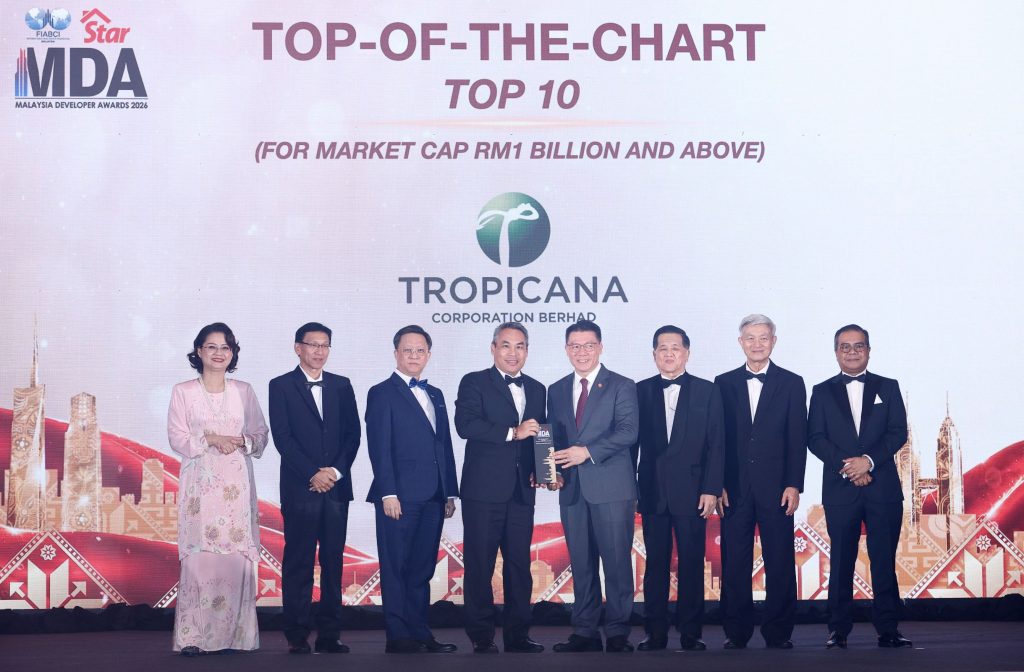
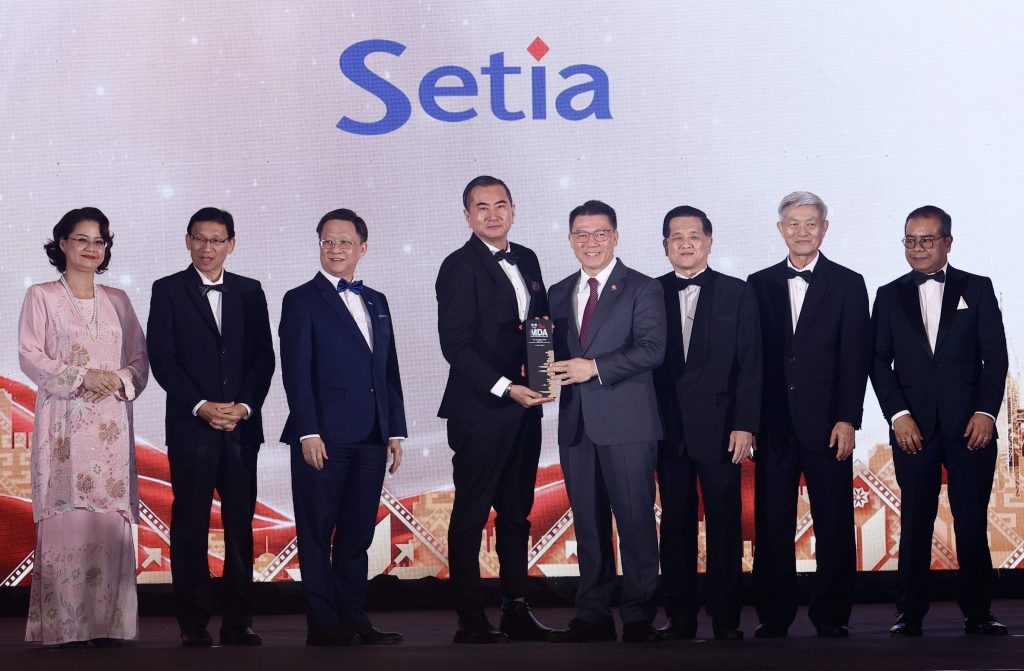
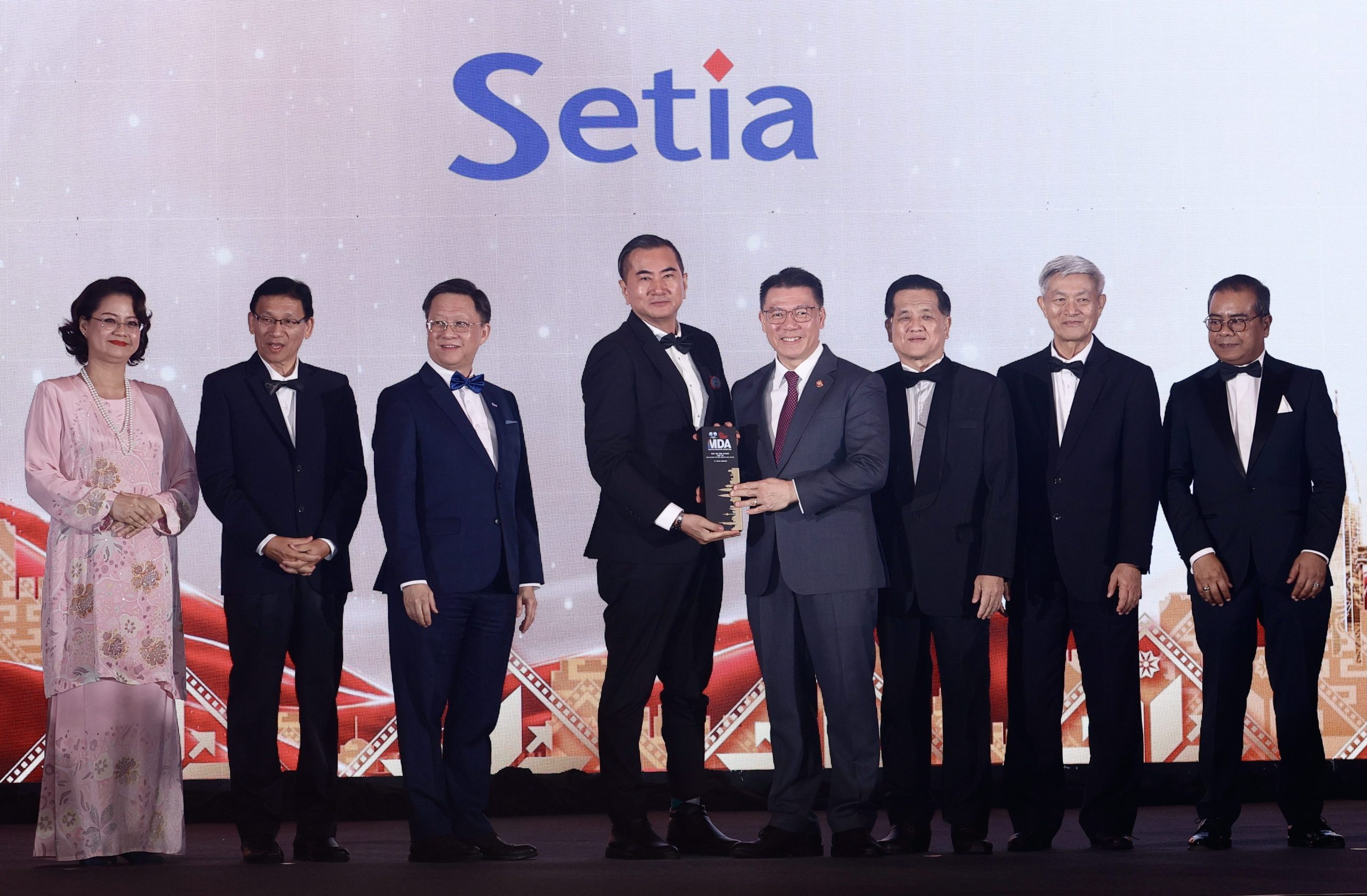
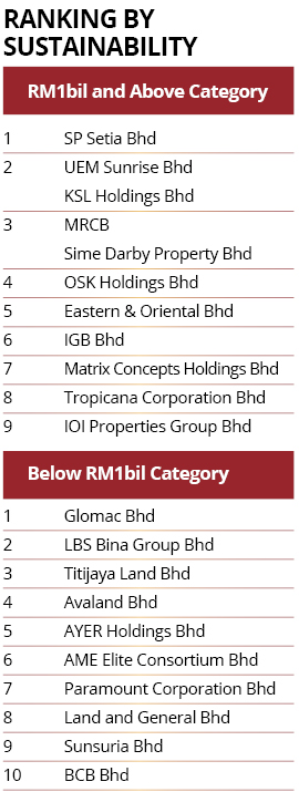
The 2026 TOTC Sustainability rankings highlighted two standout developers whose proactive financial management sets the standard across their respective market capitalisation tiers. In the RM1bil and Above category, SP Setia Bhd claimed top honours for the Sustainability attribute, delivering an exemplary display of balance sheet optimisation. SP Setia’s victory was anchored by aggressive, strategic debt reduction, successfully slashing its net gearing ratio by 16 percentage points—bringing it down from 49% to a highly resilient 33%. Combined with a robust working capital ratio and consistent, positive cash flow generation, the group demonstrated exceptional capital discipline, strengthening its balance sheet to comfortably fund upcoming master-planned launches while maintaining an optimal risk profile.
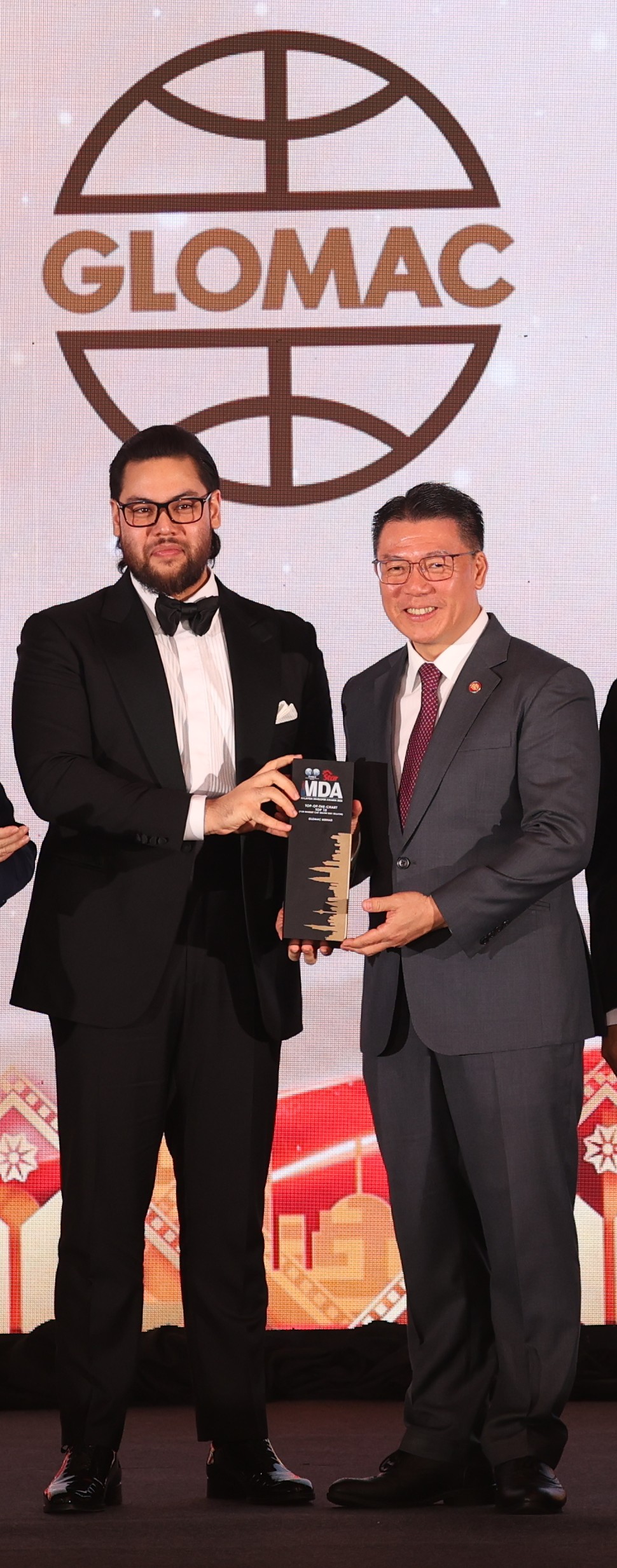
In the Below RM1bil category, Glomac Bhd emerged as the frontrunner in financial sustainability. While Glomac did not top every single isolated sub-criterion, its balanced, high-ranking performance across all liquidity metrics demonstrated outstanding financial prudence. Glomac’s sustained reduction of outstanding debt, paired with healthy cash reserves and disciplined working capital management, reflects superior operational survivability compared to many of its mid-tier peers.
Sustainability as an operational imperative
The results of the MDA 2026 TOTC rankings prove that financial sustainability is not merely a defensive tactic but the ultimate offensive strategy for long-term expansion. Continuous, rigorous monitoring of balance sheet fundamentals ensures that developers remain agile, enabling them to acquire distressed assets during downturns and execute large-scale developments during recoveries.
By celebrating developers that prioritise financial prudence alongside creative placemaking, the MDA 2026 reinforces a fundamental truth: true industry leadership is built on a foundation of unyielding financial health. Developers that embed operational resilience into their organisational DNA safeguard their own corporate legacy while strengthening the broader stability of Malaysia’s real estate ecosystem.
Stay ahead of the crowd and enjoy fresh insights on real estate, property development and lifestyle trends when you subscribe to our newsletter and follow us on social media.