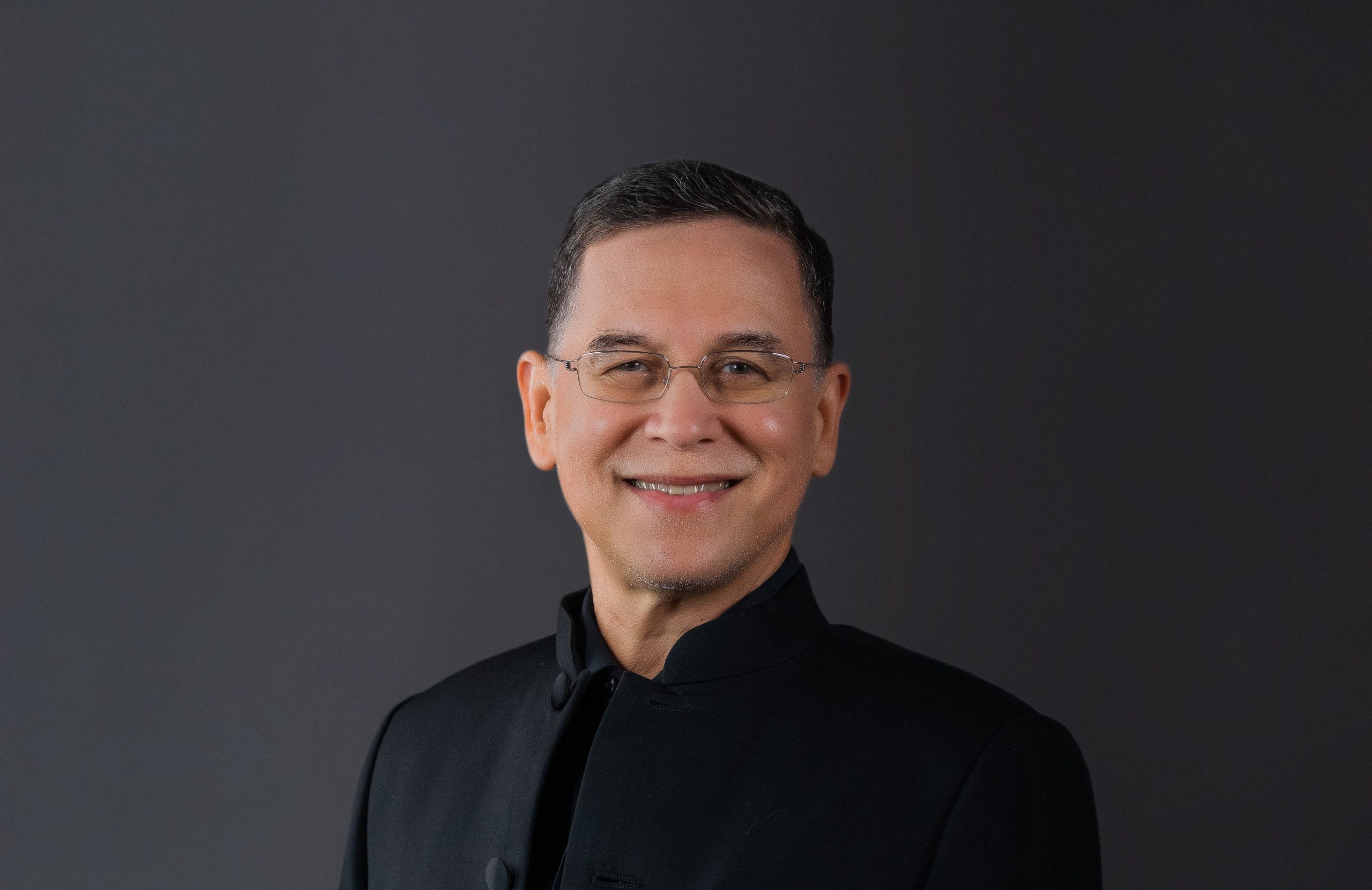
Contributed by David Mizan Hashim
Reflections on our nation’s capital (Part 2)
To set the stage for the story of Kuala Lumpur, my article last year outlined the background of how and why the great cities of European empires arose in recent history. The explosion of human flourishing in the West, beginning with the Renaissance, followed by the Enlightenment and the Industrial Revolution, further catalysed by the rise of capitalism, was certainly an underlying driver for the rise of grand urban centres in Europe.
However, a primary funding source in most cases for these mega public projects was the wealth extracted by imperial powers from colonial holdings in the undeveloped world, including Malaya. Such extraction, in the form of raw or processed commodities and slavery in some places, in large part paid for the opulent palaces, edifices and gardens that we so admire in Paris, London and Berlin today.
Meanwhile, back in the colonised world of the late 2nd Millennium, villages and towns struggled to emerge into larger urban concentrations. Due to the subjugation by foreign powers, native societies in America, Africa and Asia (with the notable exception of China and India) had no significant unified centres of state authority in recent memory. Mostly, they were small tribal or feudal communities led by local competing mercantile organisations and minor warring kingdoms. Thus, they were not only subjugated by better-organised and technically superior colonising civilisations but they were also unable or unmotivated to otherwise muster the resources needed to build enduring edifices and cities on their own.
But there had always been silver linings brewing in the rule by Western colonists. The first was the quality of infrastructure and underlying urban planning which formed the foundation for future city growth. The other silver lining, especially in Malaya, was the unintentional yet very obvious emergence of a truly diverse ethnic and multi-cultural fabric, predominantly in our cities. Over recent centuries, three European nations had imprinted their unique cultures on Malaya to varying degrees. But far more importantly, the importation of Chinese and Indian immigrant labourers to Malaya by the British, starting in the late 18th century, truly had a transformative effect on our culture, especially within Georgetown, Melaka and of course Kuala Lumpur.
The city rises
Like all cultural melting pots around the world throughout history, the combination of rich human diversity and population density in cities such as Kuala Lumpur, especially, sparked the enthusiasm to grow, expand and ignite the spirit of capitalism. Our nation’s indigenous Malays, together with their Chinese and Indian counterparts, eventually evolved into the ideal cultural-ethnic partnership to later exploit the era of globalisation in South-east Asia.
Once we regained control of our country after independence in 1957, the work of nation-building (figuratively and literally) could begin with patriotic fervour. Unlike the ostentatious administrative buildings built by and for the colonial governments, these new projects were to serve the rakyat. Neo-colonial architectural styles, so preferred by pre-independence administrators, were intentionally replaced by modernist forms and expressions. Kuala Lumpur was becoming more than just a city but a symbol of a new, modern, independent and self-confident nation.
Thus, in the late 50s and 60s, there began to arise in Kuala Lumpur large modern public edifices in celebration of our new nationhood. Grand stadiums, universities, hospitals, government complexes, courthouses, airports, highways, public parks and more were erected. Also built during this dynamic period were Bank Negara, Masjid Negara, Zoo Negara and Muzium Negara. These complemented the more meagre private investments in mostly individual shop-houses in the older commercial centres of our cities. Kuala Lumpur was beginning to rise.
By the 70s, private capital began to make its contribution to the city. Commercial offices, hotels and apartment towers began to define a skyline, especially in Kuala Lumpur. During the waning decades of the late 20th century, our cities experienced unparalleled growth due to a combination of expanding population, rural-urban migration and immigration. Private interests had begun to define the city. Central business districts (CBDs) began to shift away from the congested old urban centres of their Chinatowns and Little Indias to where expansive land plot sizes could accommodate gradually larger and larger building complexes.
Especially in the last three or four decades, despite local, regional and global economic setbacks, Kuala Lumpur persevered and flourished. To keep pace with the unanticipated soaring demand and pressures to accommodate a surging population within the city, and further pressured by capitalist zeal and the inflow of foreign capital, regulatory city plans were repeatedly issued and then revised again to the consternation of older city folk. The seemingly haphazard city planning we witness today in Kuala Lumpur’s streets and neighbourhoods is a testament to this period of unbridled enthusiasm and ever-evolving regulatory frameworks.
Today and Beyond
Today, as the cities of Malaysia, especially Kuala Lumpur, continue to evolve, they will face a future defined by many challenges. Three of them are highlighted here:
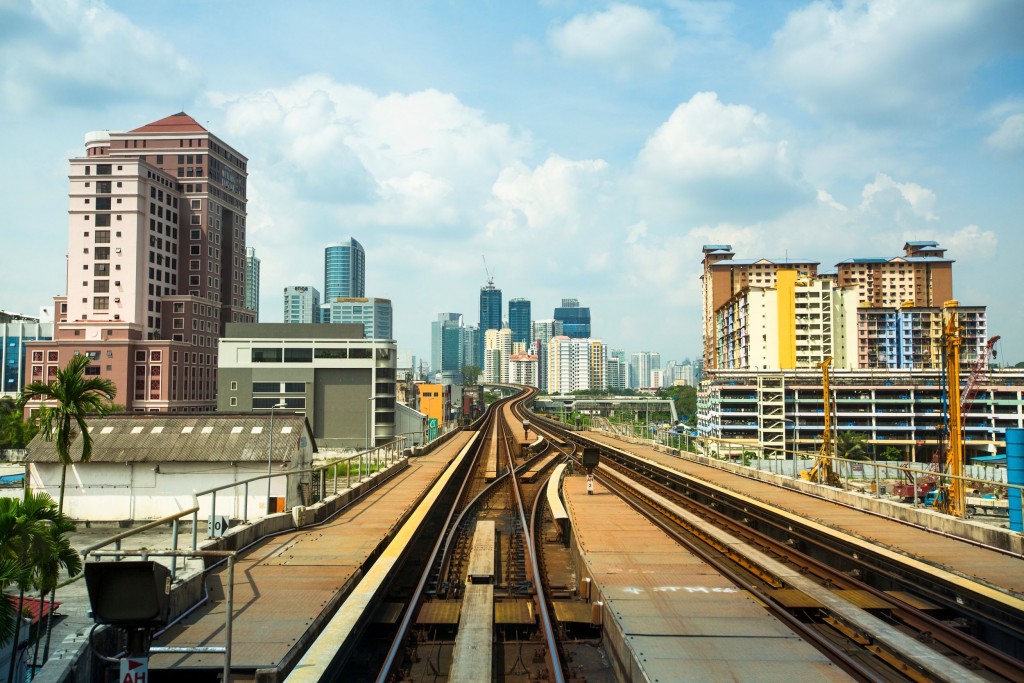
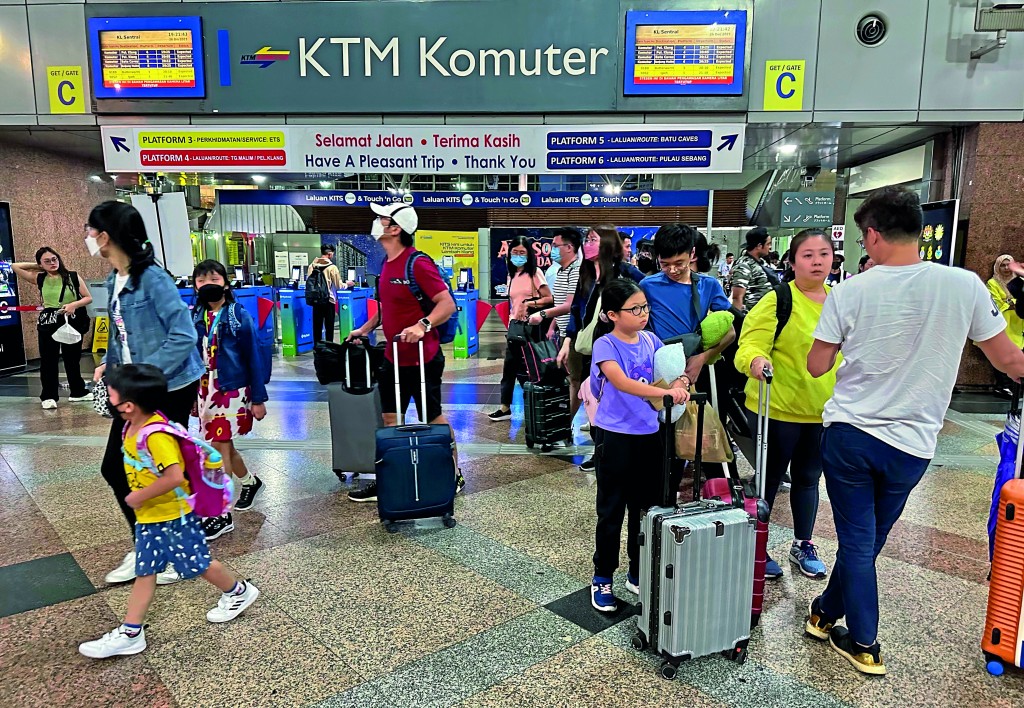
Firstly, public mass transportation and physical connectivity are existential to the viability of any city and Kuala Lumpur is lagging behind the metrics of most cities of equivalent size in the developed world. Until the MRT3 line is completed to complement the other MRT, LRT, monorail and bus networks and the last-mile connectivity is in place, our capital will not achieve its potential. But once an integrated public transport system, complemented by a pedestrian-friendly urban fabric, exists, Kuala Lumpur can begin to wean itself off its car-biased past and begin its transformation into a world-class city.
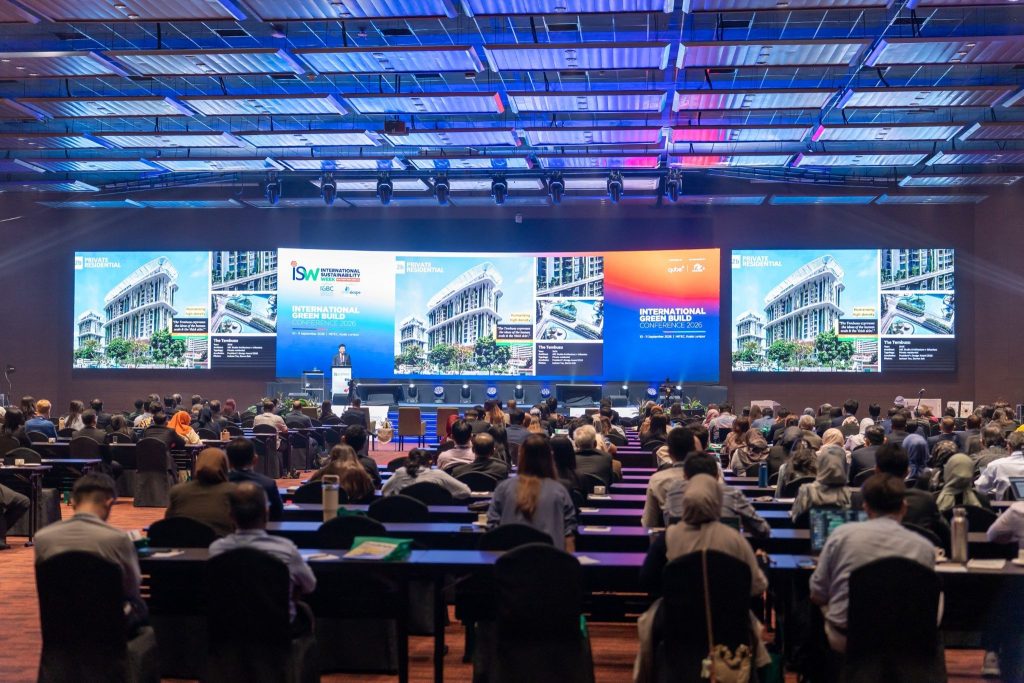
Secondly, addressing climate change and energy conservation are absolutely essential to the health of any city. A resilient response to the detrimental effects of rising temperatures and the associated unpredictable, destructive weather that accompanies it will require an unprecedented degree of coordination and funding. This is one area in which Kuala Lumpur is sorely behind. The focus over the next few years will have to be on energy reduction and conservation, effective waste recycling and management, ecological sustainability and retrofitting our buildings to face the coming climate crisis. Without an integrated approach to the environment, our capital city, like many others, will not be a pleasant place to live.
Lastly, the historical conservation of our older urban fabric and the buildings of which it is comprised have become increasingly important to the character of cities. Unfortunately, until recently, Kuala Lumpur has not done enough to conserve its urban heritage. The conservation of Kampung Baru, Chinatown/Medan Pasar and Little India will be key to it becoming a world-class city on par with its European counterparts. These enclaves are especially relevant to our history as a multi-ethnic society. But the focus should be on conservation by adaptive reuse to bring life, economic activity and energy back to these neighbourhoods and not merely historic preservation. Given this historic context and the current challenges explained above, what does the future hold for Kuala Lumpur?
Stay ahead of the crowd and enjoy fresh insights on real estate, property development and lifestyle trends when you subscribe to our newsletter and follow us on social media.