Architects balance sleek aesthetics, comfort and safety
In Malaysia’s hot and humid climate, reflective glass is now a common feature in modern construction. It is used to manage solar heat while projecting an image of luxury, progress and affluence. Towering glass facades are now telling of contemporary city skylines, promising panoramic views, abundant daylight and a sleek, modern aesthetic. Yet the growing reliance on glass has also raised an important question: how much glass is too much glass?
Excessive glazing typically refers to large expanses of unshaded or low-performance glass that can lead to higher energy consumption, overheating and reduced occupant comfort. When it comes to such high-performance glazing, especially in glass-heavy and ambitious buildings, there will always be issues to consider when the window-to-wall ratio (WWR) goes beyond its threshold. Even when east- and west-facing facades that do not have adequate shading or performance measures can pose an issue later on down the road. This is why the balance between aesthetic appeal and environmental performance has always been a challenge for architects based in tropical environments.
Glass as a symbol of modernity
The construction industry has evolved significantly, learning to balance performance, safety and efficiency as cities grow denser and populations expand. In many global capitals, skyscrapers have become powerful symbols of modernity and technological ambition. Iconic towers such as Merdeka 118, Shanghai Tower and Burj Khalifa demonstrate how glass has come to define contemporary architecture. Beyond their structural achievements, these buildings function as national landmarks that project economic strength and urban identity while also serving as case studies in the challenges of large-scale glazing.
Merdeka 118: local innovation in glass
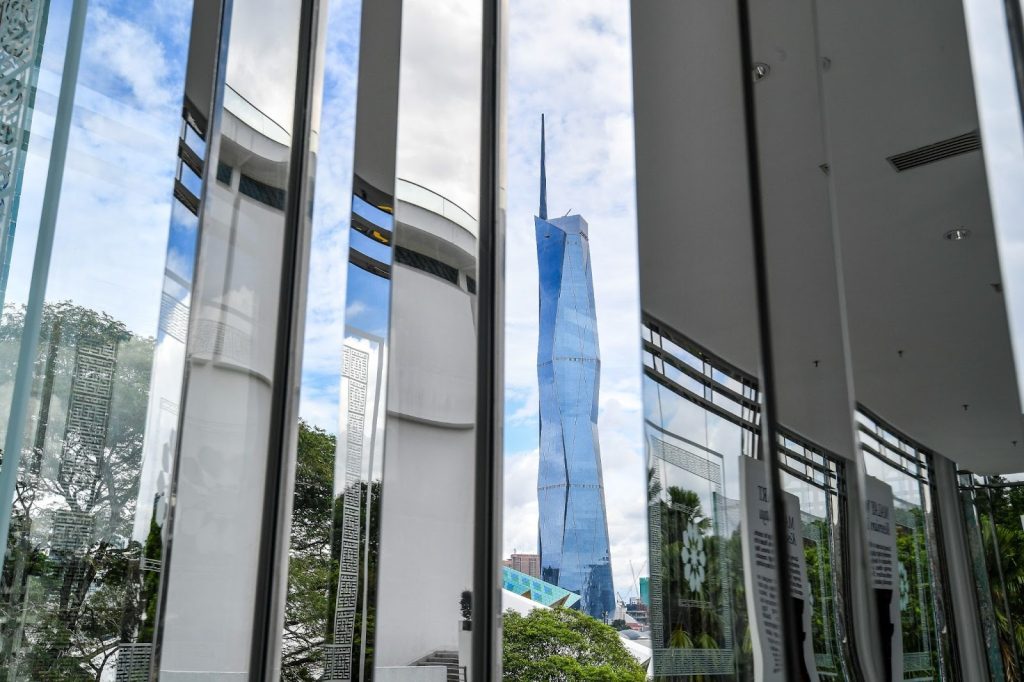
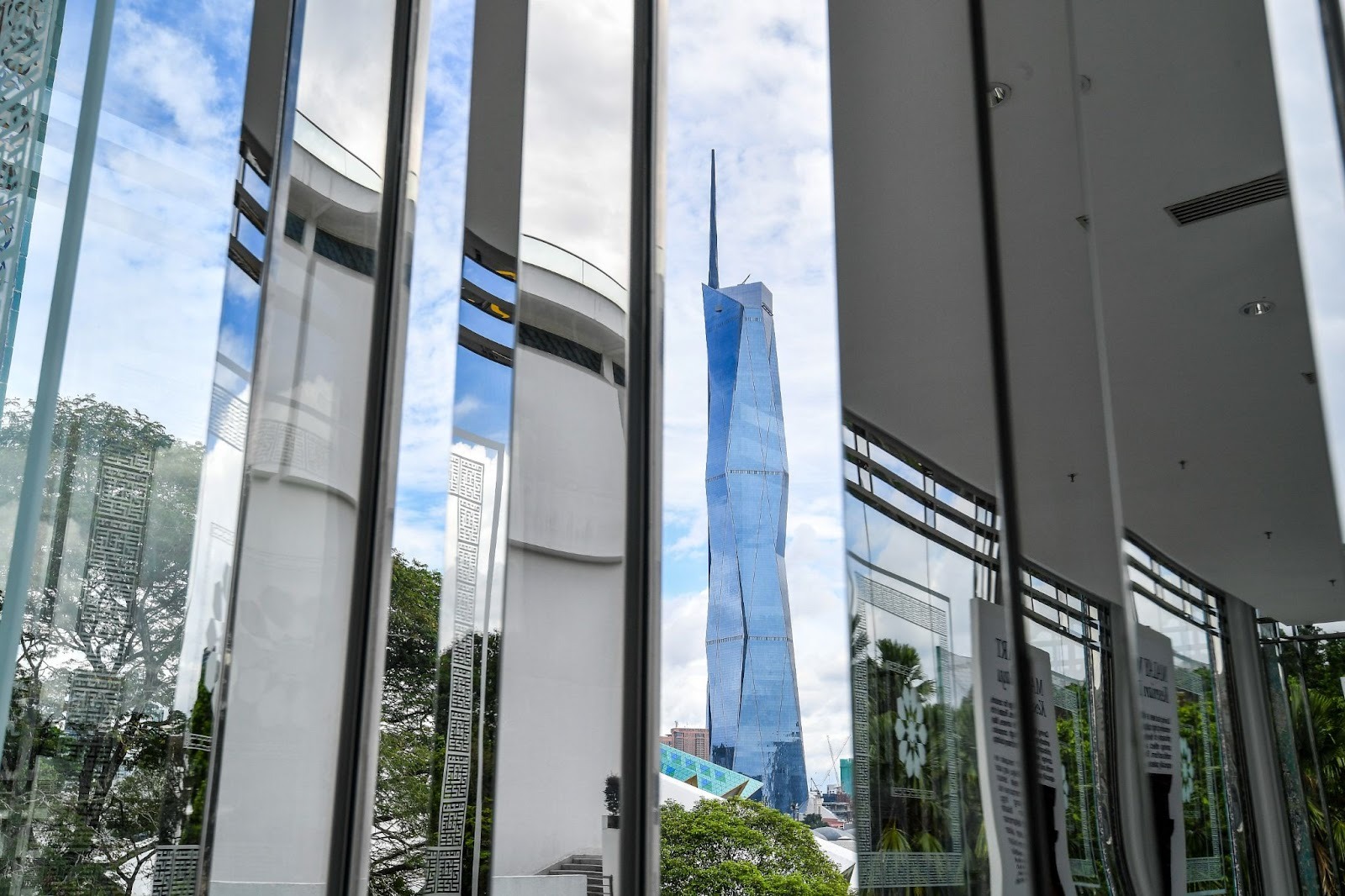
Closer to home, Merdeka 118 stands as one of the most striking examples of glass-driven design. The supertall tower is unique with a distinctive diamond-faceted facade. It was achieved by incorporating 18,144 triangular glass panels, covering an approximate 114,000 sq m. These panels are constructed using high-performance glazing technologies, including low-emissivity (low-E) coatings and titanium layers to really reduce ultraviolet radiation and heat transmission while still allowing natural daylight to seep into the interior. By cutting down on solar heat build-up, the glass helps maintain indoor comfort and also reduces the tower’s system strain in mechanical cooling.
The tower also houses the world’s tallest glass elevators which travel along the exterior of the building at speeds of up to eight metres per second, offering passengers a panoramic ascent to the 118th floor in about 60 seconds. While advances in glazing technology have made glass-heavy facades more feasible, architects say the question is no longer about whether glass should be used but how it should be used responsibly.
Glass and the tropical challenge
StarProperty spoke to Veritas Design Group (Veritas) principal and director Alif Arif Iskandar Abd Wahab and vice president Lillian as well as Malaysian Institute of Architects (PAM) president Adrianta Aziz to get their take on the use of glass in high-rise buildings.
Alif noted that glass became synonymous with modern architecture long before today’s skyline race. “Glass became synonymous with modern architecture partly because of advances in manufacturing but also due to its early use in tuberculosis sanatoriums in the 1920s. Large windows and glass-enclosed verandas were designed to maximise sunlight and fresh air which were believed to have bactericidal effects. Later, the same principle was carried into modern office buildings where glass allowed natural daylight to reach workstations,” he said.
Yet in Malaysia’s tropical climate, the material poses challenges. “Glass facades have undeniable visual appeal. They frame skyline views and capture daylight but they are also one of the most thermally challenging materials in building design, particularly in Kuala Lumpur’s tropical climate. Imagine a facade that is 80% glass exposed daily to 35°C heat. The question of how much glass is too much suddenly becomes very real,” explained Alif.
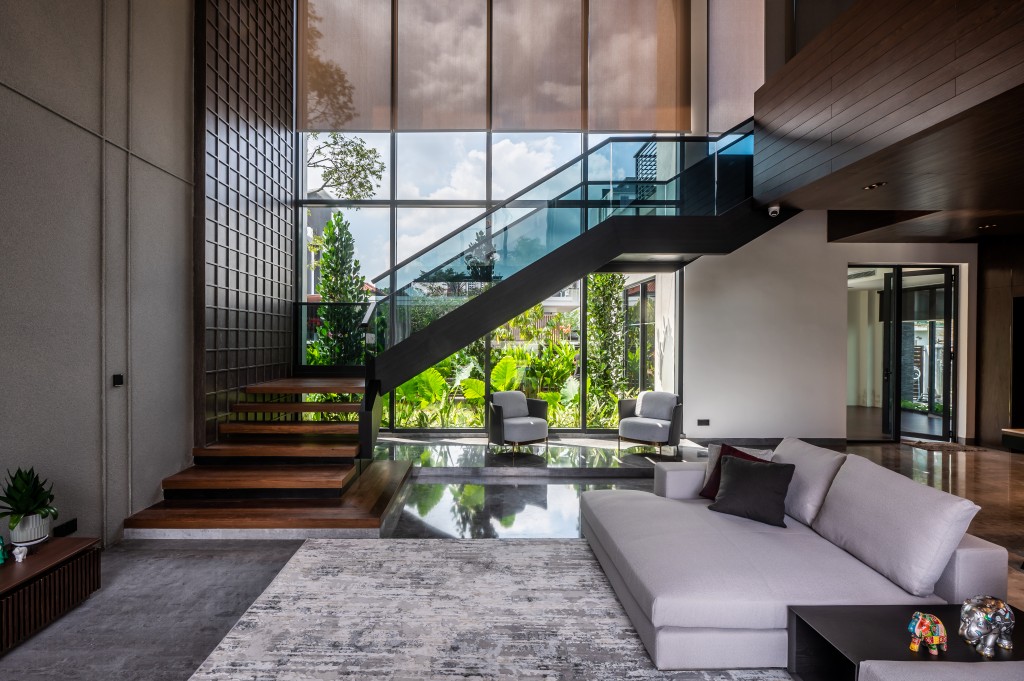
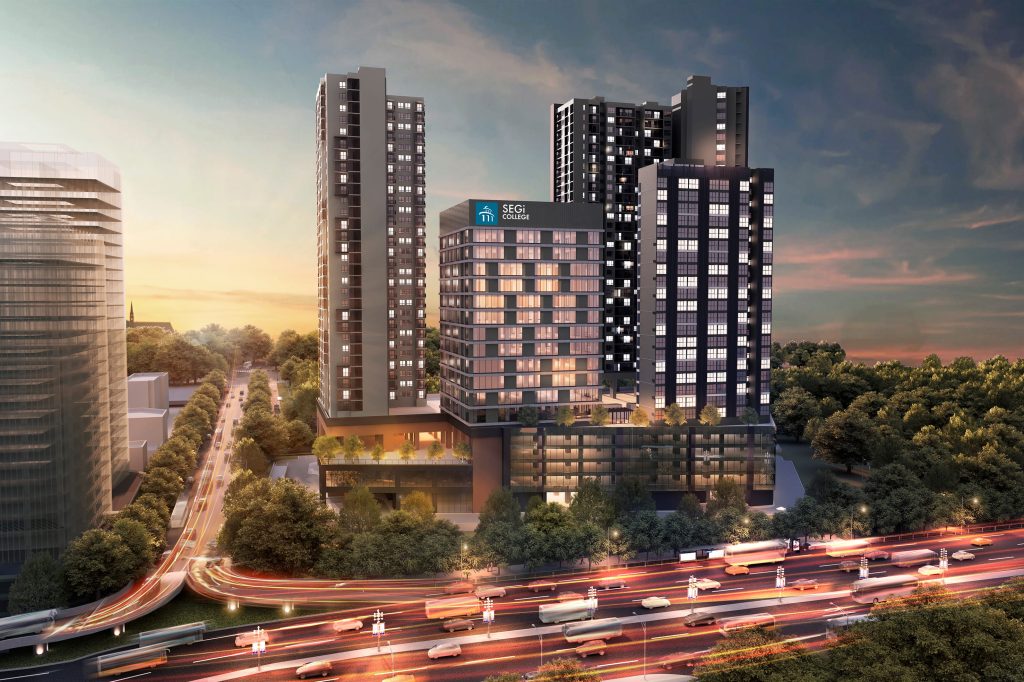
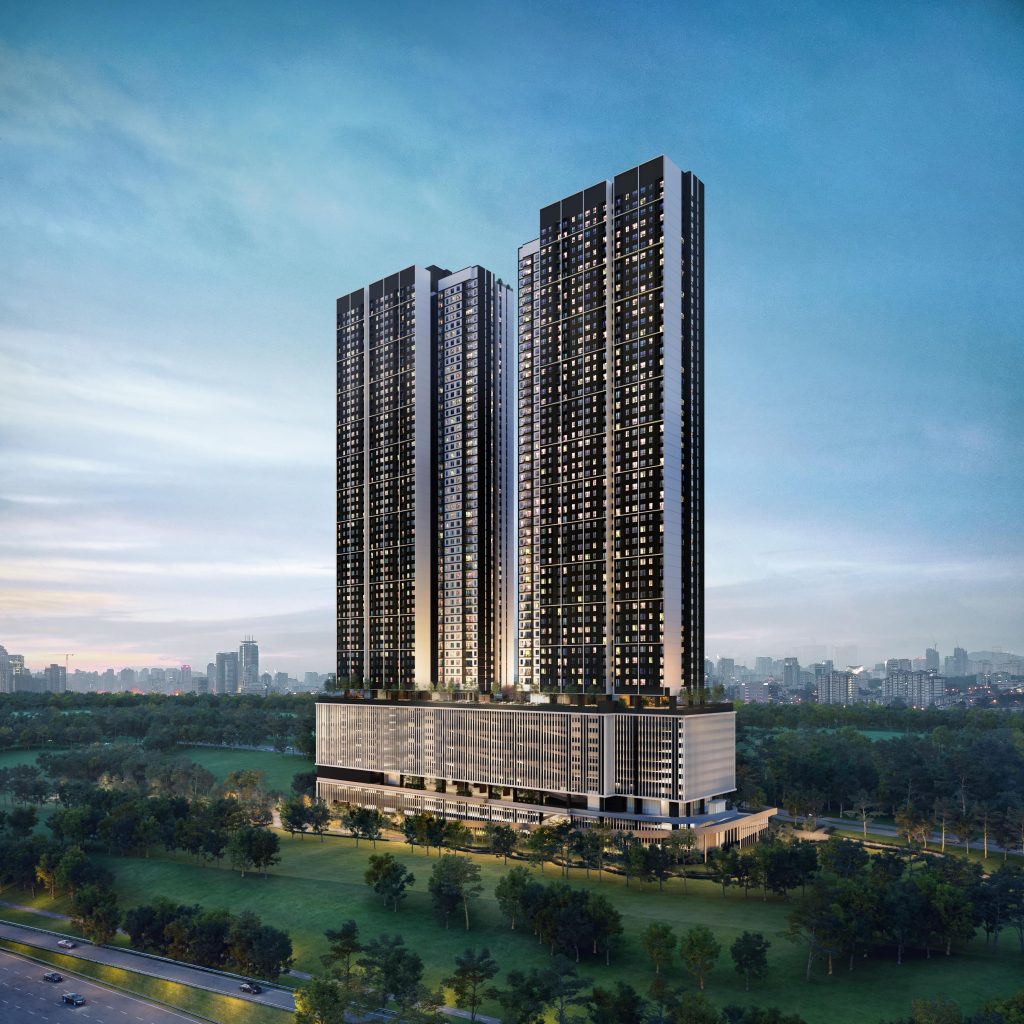
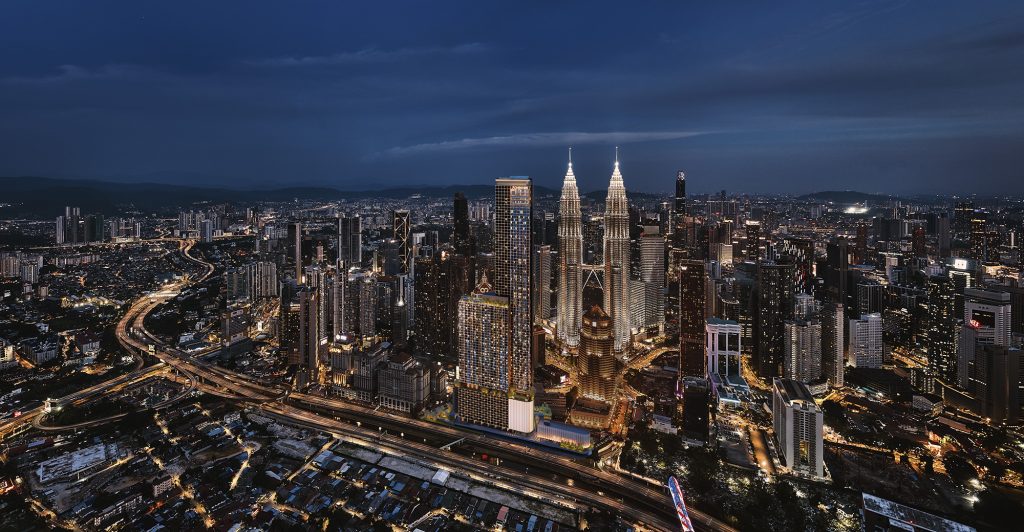
When it comes to high-rise residential towers that use compartmentalised floor plates of about ten to 12 units per level, Alif said the minimum percentage of glazing is typically around 60% to 70% of the facade perimeter to maximise daylight and views. “These towers often use unitised curtain wall systems for longevity, faster construction and visual consistency to balance transparency with performance. Residential developments like Star Residences clearly demonstrate this approach. Facades incorporate shading devices, framing elements and modulation patterns to manage heat while still providing panoramic city views. Residents value views of the Petronas Twin Towers and the city skyline but privacy and thermal comfort are equally important,” said Alif.
Building on these challenges, Tay highlights the practical realities of high-rise glass in KL. “In cities like Kuala Lumpur, glass is prized not only for its ability to frame iconic views but also for its durability and ease of maintenance compared with other facade materials.
Well-located units with panoramic vistas often command a premium. At the same time, architects must carefully manage solar heat gain which can drive up long-term energy costs for air-conditioning. Modern high-performance glass technologies including double-glazing, industrial coatings and integrated sun-shade devices, allow daylight to enter while limiting heat, enabling buildings to balance aesthetics with occupant comfort and energy efficiency. Architects today also rely on simulation software to test designs, ensuring that building form, energy performance and occupant comfort are carefully balanced,” she said.

This integrated approach, combining insights from Alif, Adrianta and Tay, reinforces the principle that in tropical cities, glass must be used thoughtfully, balancing transparency, visual appeal and environmental performance.
When transparency goes too far
According to Adrianta, the problem arises when design aesthetics begin to override building performance. “The threshold of too much glass is reached when architectural expression begins to compromise building performance,” he said. In tropical climates like Malaysia, excessive glazing can significantly increase solar heat gain, forcing buildings to rely heavily on air-conditioning systems and raising long-term energy consumption, he added.
Too much glass also has the adverse effect of negating the intended benefit of daylight design. What happens when excessive daylight penetrates through glazing and creates glare within interior spaces? It prompts occupants to lower blinds and switch on artificial lighting. “In such situations, the building envelope fails to perform as an effective mediator between the external environment and internal comfort. Beyond technical concerns, over-glazed buildings can affect human comfort and the urban environment. Reflective facades can produce glare for pedestrians and neighbouring buildings and excessive transparency may reduce occupants’ sense of privacy, particularly in residential and workplace environments,” explained Adrianta.

To address these challenges, architects increasingly focus on appropriate glazing rather than simply more glazing. Adrianta noted that moderate WWR that is often within 20% to 40%, depending on orientation and building type, can deliver daylight and its views without excessive thermal penalties. In addition, effective facade design must integrate building orientation, external shading devices, high-performance glazing systems and thoughtful articulation. So when these strategies come together, glass can enhance spatial quality, strengthen the connection to the outdoors and support energy-efficient buildings.
High-performance glazing such as low-E coatings and titanium layers, is not just aesthetic. It reduces ultraviolet penetration, limits heat gain and allows natural light to illuminate interiors, lowering energy consumption. Patterns and modulation of glass panels, as seen in projects like Medora Towers in Johor Bahru, also contribute to occupant comfort while maintaining a striking visual appeal.
Global towers such as the Shanghai Tower and Burj Khalifa illustrate that even in temperate or arid climates, balancing glass with performance is a universal concern. The Shanghai Tower, with its twisted, double-skin glass facade, is designed to reduce wind loads and improve thermal efficiency. The Burj Khalifa uses angled and recessed glass panels that minimise direct sunlight on interior spaces, a strategy that demonstrates how luxury and environmental performance can coexist.
Designing smarter facades
Architects are always evolving in their designs, exploring different ways to properly preserve the benefits glass provides while mitigating its drawbacks. Alif pointed out projects like Star Residences, where facades incorporate shading devices, framing elements and modulation patterns to manage heat and glare. Meanwhile, Adrianta emphasised the need for an integrated approach too. “Effective facade design must integrate building orientation, external shading devices, high-performance glazing systems and thoughtful facade articulation. When these strategies work together, glass can enhance spatial quality, strengthen the connection to the outdoors and support energy-efficient buildings.”

The future of glass architecture
The trio of experts have agreed that the next generation of towers will prioritise purposeful transparency over visual spectacle. “Architecture should not pursue transparency at the expense of sustainability. The real question is not how much glass we can build with but how wisely we choose to use it,” Adrianta opined.
“The future of high-rise architecture is not about abandoning glass but recalibrating our relationship with it. Transparency should be deliberate, functional and responsive to the environment rather than purely decorative,” added Alif.
Ultimately, the most beautiful buildings are not those with the most glass but those in which form, climate and human comfort are actually carefully aligned. In tropical cities like Kuala Lumpur, this philosophy is shaping a new generation of towers that are as energy-conscious as they are visually striking.
Stay ahead of the crowd and enjoy fresh insights on real estate, property development and lifestyle trends when you subscribe to our newsletter and follow us on social media.